
EPA announces partnership to reduce childhood lead exposure at schools, child care facilities
Commitments made in MOU meant to provide safer and healthier environments for children
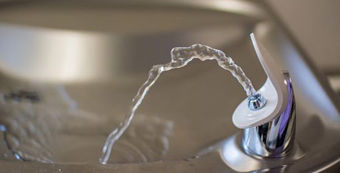
Special Photo
From staff reports
WASHINGTON — In recognition of Children’s Health Month, the U.S. Environmental Protection Agency has announced a memorandum of understanding to further support efforts that reduce lead in drinking water at schools and child care facilities.
The commitments made in this MOU are expected to provide safer and healthier environments for children across the country.
“In accordance with Children’s Health Month, this administration is forging an important new partnership to reduce childhood lead exposure in schools and child care facilities,” EPA Administrator Andrew Wheeler said. “This MOU supports the Lead Action Plan and brings together more than a dozen partners across the government and private sector to enhance our efforts to test for and address harmful lead exposure.”
The new MOU provides a framework for a coordinated approach between more than a dozen critical partners across the federal government, tribes, water utilities and the public health community. One existing effort that is further supported by the MOU is EPA’s 3Ts — training, testing and taking action — for reducing lead in drinking water in school and child care facilities.
The MOU:
♦ Highlights each partner’s commitment to work to help ensure that children in schools and child care facilities are provided safe drinking water;
♦ Encourages supporting activities that provide education on health concerns associated with lead in drinking water, assists in the development of a lead testing program utilizing the EPA’s 3Ts for reducing lead in drinking water in school and child care facilities, and helps schools and child care facilities establish a sustainable and effective lead in drinking water testing program:
♦ Promotes collaboration in the development of materials, training and tools to assist schools and child care facilities in reducing lead in drinking water;
♦ Allows for better identification of appropriate networks, associations and organizations to partner with to develop communication materials for schools and child care facilities.
To read the MOU and related information visit epa.gov/safewater/3Ts.
Since the 1970s, the U.S. has been working to lower children’s blood lead levels. Despite the overall decline of blood lead levels over time, lead remains a significant public health concern for some children because of persistent lead hazards in the environment.
Recognizing that children spend large portions of their days in schools and child care facilities, EPA suggests that these facilities implement programs for reducing lead in drinking water as part of their overall plans for maintaining healthy learning environments.
Related Articles

Dawson proposes borrowing up to $420,000 to stay afloat as finances unravel
Documents obtained by The Dawson News show city officials are proposing to balance the budget through a transfer from the Public Utilities Fund while simultaneously seeking authority to borrow as much as $420,000 from a private financial institution to continue meeting payroll and other operating expenses as Dawson works to complete financial audits that have remained unfinished since 2023.
Albany Herald – July 11, 2026
Putting on the Ritz… Food, mini menagerie provide… Albany City Commission set to vote on… Following Lee’s lead, Terrell County hits…
Classifieds – July 11, 2026
Albany Classifieds and Legals: Real Estate; Merchandise, Misc…
