
Fall is primetime for deer/auto collisions
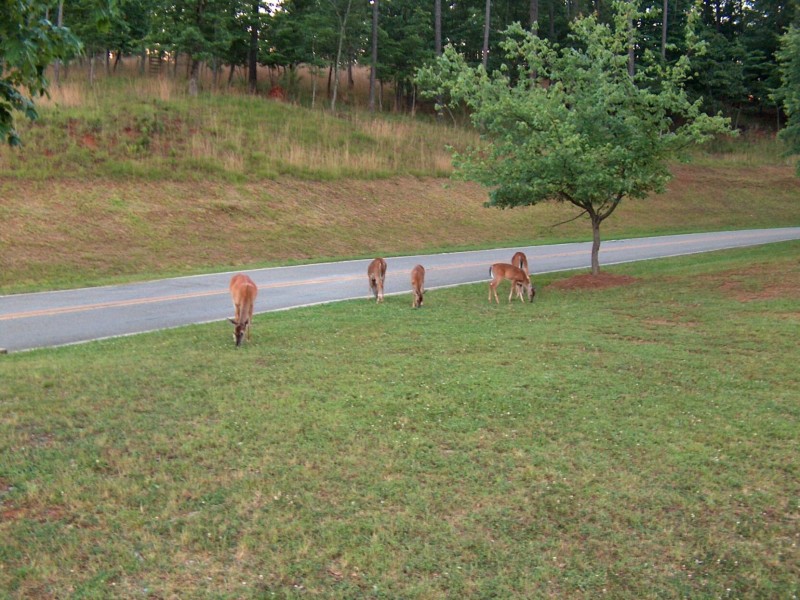
Special Photo: Georgia DNR
From staff reports
SOCIAL CIRCLE — Any time anyone is driving a vehicle, they should be watchful. However, in the fall, drivers need to be extra vigilant because it is now peak deer activity season, according to the Georgia Department of Natural Resources’ Wildlife Resources Division.
“While the ultimate goal is to avoid a collision, if one is imminent, never swerve to avoid hitting the animal,” Charlie Killmaster, the state deer biologist with DNR’s Wildlife Resources Division, said. “It is better to hit the deer than to lose control of your vehicle. Also, deer often travel in groups, so if you see a deer cross the road ahead of you, anticipate that others may follow and don’t assume the danger has passed.”
There are two main reasons why drivers may see more deer along roads in the fall:
Mating Season — Deer mating season occurs between October and late December, depending on location. Male deer go into “rut” and begin actively searching for mates. This behavior results in an increase in deer movement, bringing them across roadways.
Time Changes — As we begin to “fall back” for daylight saving time, rush hour for most commuters tends to fall during the same hours in which white-tailed deer are most active — dawn and dusk.
Following are some tips and information to help avoid potential collisions:
Deer Are Unpredictable: Always remember deer are wild and, therefore, can be unpredictable. A deer calmly standing on the side of a road may bolt into or across the road rather than away from it when startled by a vehicle.
One Deer Usually Means More: Always take caution and slow down when a deer crosses the road in front of you. Deer usually travel in groups, so it is likely that others will follow.
Time of Day: As deer are most active at dawn and dusk, they are typically seen along roads during the early morning and late evening — the same times most people are commuting to and from work.
Time of Year: While deer-car collisions can occur at any time of year, the fall breeding season is a peak time for such accidents. During the fall breeding season, deer movement increases and this often brings them in contact with roadways that cross their natural habitats. Road shoulders generally provide beneficial food plants both during extremely dry times of the year and following a long, hard winter.
Deer are attracted to these plants in late-winter, early spring and late summer. Georgia’s deer rut map (GeorgiaWildlife.com/rut-map) is an excellent tool for motorists to determine local peaks in deer movement. Drivers should be especially wary of deer during these time periods.
Minimize Damage: If it is too late to avoid a collision, drivers are advised to slow down as much as possible to minimize damage — resist the urge to swerve to avoid the deer, as this may cause further damage, sending drivers off the road or causing a collision with another vehicle.
For more information on deer, visit GeorgiaWildlife.com/deer-info.
Author

Related Articles
Albany recycling center enacts material separation rule
Mixed items will no longer be accepted at the Albany recycling center at its 2521 Meredyth Drive facility. Individuals will now be required to separate items befor they will be accepted.

Wild Game Dinner marks 34 years as South Georgia Scouting reaches for next generation
More than a century after organized Scouting first took root in Southwest Georgia, local leaders say the program is working to preserve its traditional mission while adapting to a new generation of young people.
Albany City Commission takes action on proposed downtown hotel, two theater renovation projects
“We’re taking the original building back to, hopefully, it’s glory days. One of the cool things about the project is we are going to restore the balcony. It’s going to have a balcony, so it’s going to be super cool.”
