
Georgia transportation bill heads to Senate
Staff Reports
ATLANTA — A state transportation funding bill has easily passed the House and is headed to the Senate.
The legislation, which aims at cutting the billion-dollar gap between needed transportation spending and revenues to cover those costs, passed the House by a 123-46 vote Thursday.
State Rep. Jay Roberts, R-Ocilla, said the Transportation Funding Act of 2015 (House Bill 170) is a comprehensive package of measures that addresses Georgia’s critical transportation infrastructure needs.
“Yesterday we heard many members of our body voice their opinions and concerns over this legislation, but I think it is evident that the House understands the necessity to raise a certain amount of revenue for our transportation system,” Roberts said. “This legislation will go beyond transportation – this is a measure that will ultimately boost Georgia’s economy and create jobs across our state.
“As this bill now makes its way to the other chamber, I look forward to working with my Senate colleagues through the legislative process to finalize this bill.”
Provisions of HB 170 as it stands replaces the sales tax on motor fuel with a 29.2-cent excise tax that will be adjusted annually based on Corporate Average Fuel Economy standards and the National Highway Construction Cost Index; removes all state sales and use tax from the sale of motor fuels; defines “transportation purposes” to also include accompanying infrastructure and services necessary to provide access to these transportation facilities, including general obligation debt, revenue debt, and other multiyear obligations issued for transportation purposes; defines “education transportation purposes” as transportation of students and accompanying infrastructure and support necessary to provide transport; allows SPLOSTS to continue at 1 percent on all motor fuel sales, with SPLOST renewals required to be used on transportation purposes; repeals the tax credit given to commercial airlines; requires tax revenue from jet fuel sales be used for state aviation program or airport-related purposes; imposes user fees on alternative fueled vehicles; ends the tax credit for low- or zero-emission vehicles purchased/leased after July 1, allows the Georgia Transportation Infrastructure Bank may give preference to eligible projects in tier 1 and tier 2 counties.
Related Articles

Dougherty Commission considers $104 million budget for 2026-2027 budget year
“The other side of the coin is you could have higher revenues than projected. We’re very conservative in budgeting revenues. That also reduces the need to use fund balance”

PHOTOS: Albany State Summer Success Academy
Photos by Reginald Christian, Albany State University
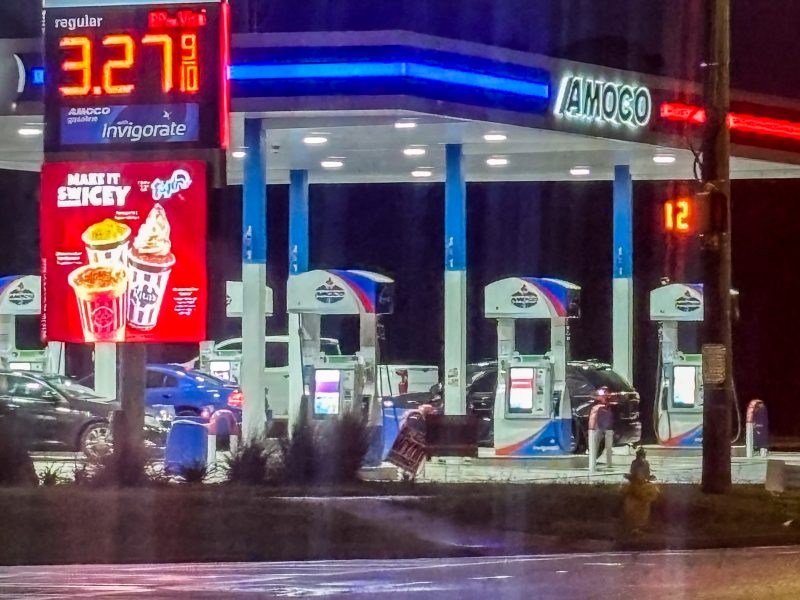
Albany gas prices among Georgia’s lowest as summer fuel costs decline
According to AAA, the average price for a gallon of regular gasoline in the Albany metro area was approximately $3.45 this week, making Albany the second-least expensive metro market in Georgia behind Dalton at $3.41 and slightly ahead of Brunswick at $3.48.
