
Georgia’s feral swine going hog wild, racking up $150 million in yearly damages
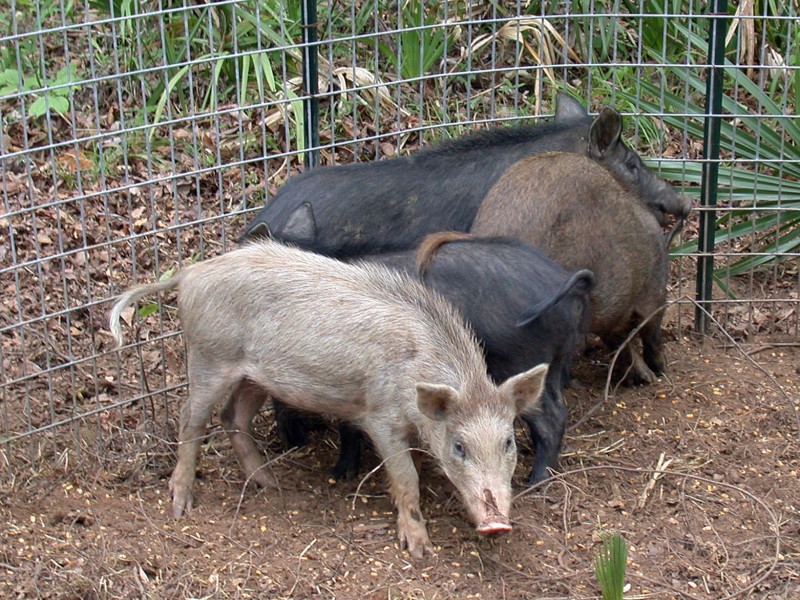
Photo: Alabama Department of Conservation and Natural Resources
By Alan Mauldin
[email protected]
ATLANTA — When a group of 30 or so pigs move into the neighborhood, it’s impossible not to notice.
The animals leave a path of destruction wherever they go, digging in the ground for roots and insects and trampling wildlife habitat. And while there is little that the swine won’t eat, they really like peanuts, making them a headache for the state’s farmers.
Wild hogs are even a threat to native animals and habitat as their destruction in a field can cause erosion, said Drew Zellner, a Georgia Department of Natural Resources wildlife biologist.
“They will go through, completely destroying the habitat,” Zellner said. “They destroy nesting grounds, foraging habitat and can even destroy cover habitat. They completely uproot and upend everything.”
Hogs in the wild even eat quail eggs and baby quail when they encounter them, Zellner said.
The damage racked up by the feral swine population in Georgia is estimated at $150 million, according to the Georgia Association of Conservation Districts. They have established themselves in all 159 of the counties in the state.
Georgia’s numbers “likely only (trail) the massive feral swine populations in Texas and Florida,” the GACD said. “Feral swine are one of the greatest invasive species challenges facing Georgia.”
The U.S. Department of Agriculture estimates the nationwide tally of pig-related damage at $1.5 billion.
It is known that individuals transport pigs to areas where they want to hunt them, Zellner said. Hunting is part of the solution to paring their numbers, but it is only a small part.
Added to their destructive habits, pigs are prolific breeders. Usually a group of about four sows live in a sounder of pigs, and they usually give birth twice a year.
“They can start having litters at six months of age,” Zellner said.
With litters totaling eight or nine, that means one female produces about eight more females in a year.
“You can see how that really adds up,” Zellner said. “On top of that, you have their reproductive (methods). They cooperate and raise each other’s young. All of the young will be suckling on one while the others keep watch.”
That practice means young pigs rarely fall victim to predators and survive to produce more young.
“Between the reproductive rate and the way they raise their young, the population can just explode in a very short period of time,” Zellner said.
Wild hogs prefer to live in stream bottoms where there is thick cover, he said. They often will follow the bed of a creek or river and emerge to feed on fields of peanuts or nut grass, leaving a path of destruction.
Combating them will take an integrated approach that includes trapping and limiting transportation, Zellner said. State lawmakers have taken notice of the issue.
“We’re going to have to do something about these hogs,” said state Rep. Gerald Greene, R-Cuthbert. “These wild hogs are just ruining the crops. I’ve talked with the chairman of the Agriculture Committee.
“We’re going to be talking with the DNR and agricultural community to see what we can do there. We’ll have to do it in conjunction.”
Author

Related Articles
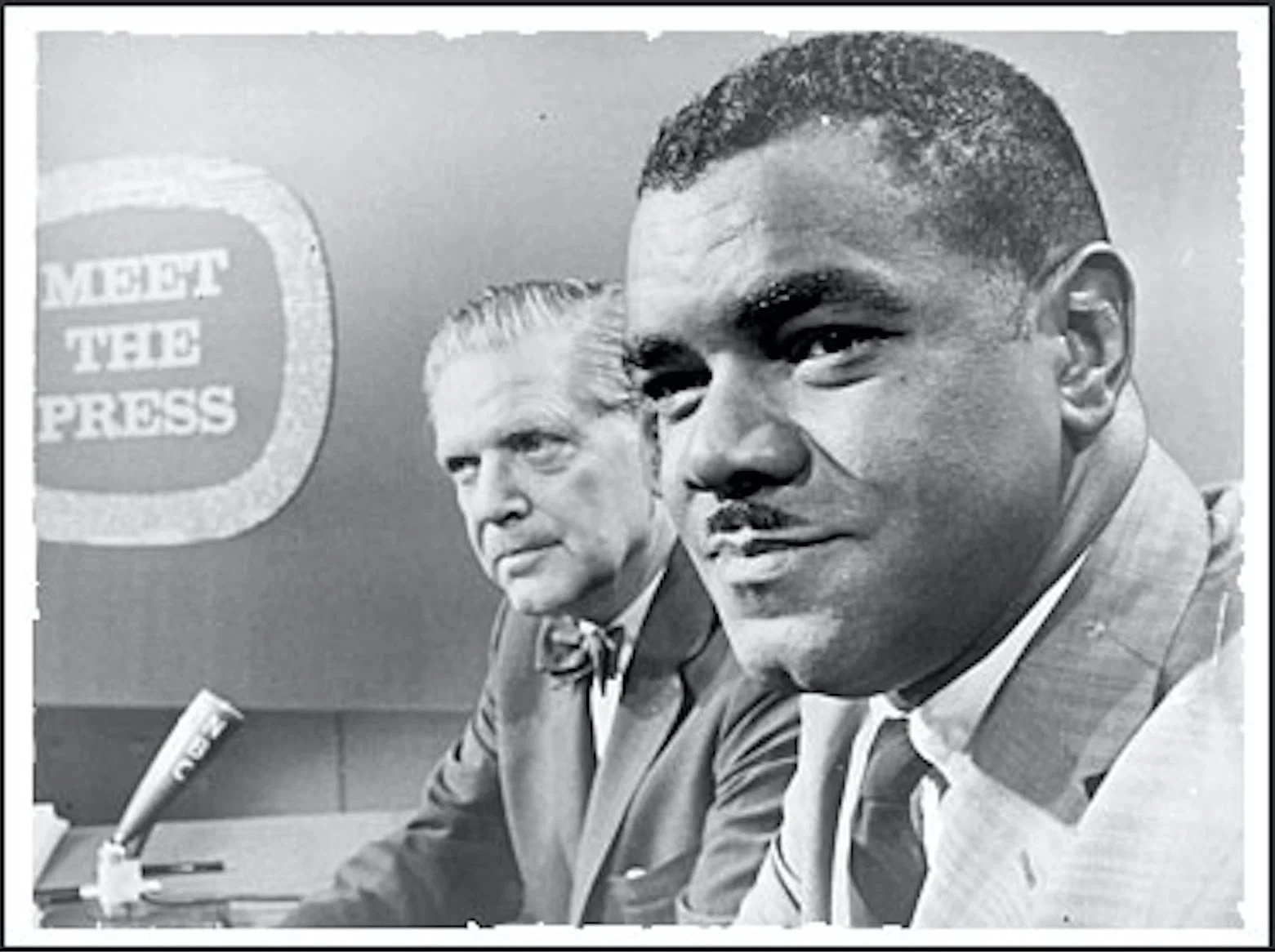
William G. Anderson: A lifetime of testing the waters
William G. Anderson spent much of his life becoming the first Black man to do things no Black man had done before. Curiously, he rarely described his life as though that had ever been the plan.
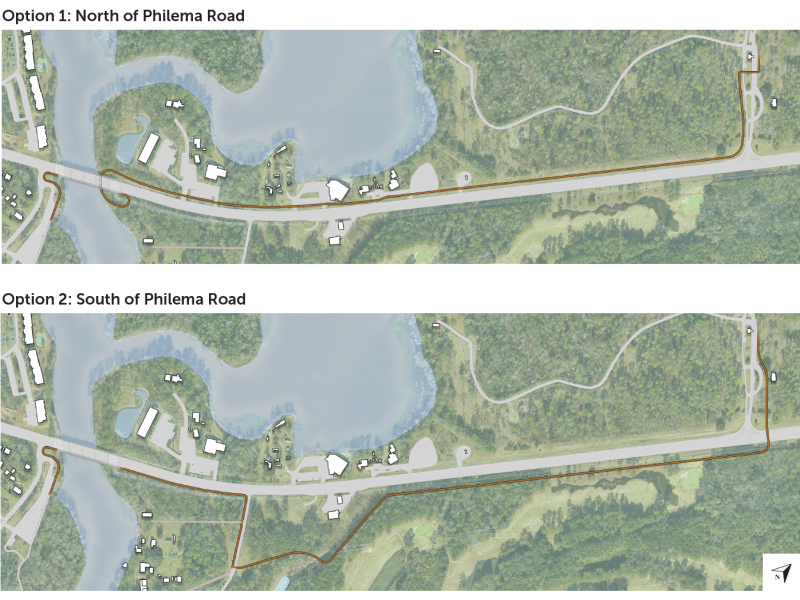
Albany revives long-discussed Chehaw Connector with $2M-$4M trail options
A long-planned trail connecting downtown Albany to Chehaw Park is moving toward another major decision point, with city officials considering a state grant application and two potential routes for the roughly 1.1-mile link at preliminary costs ranging from $2 million to $4 million.
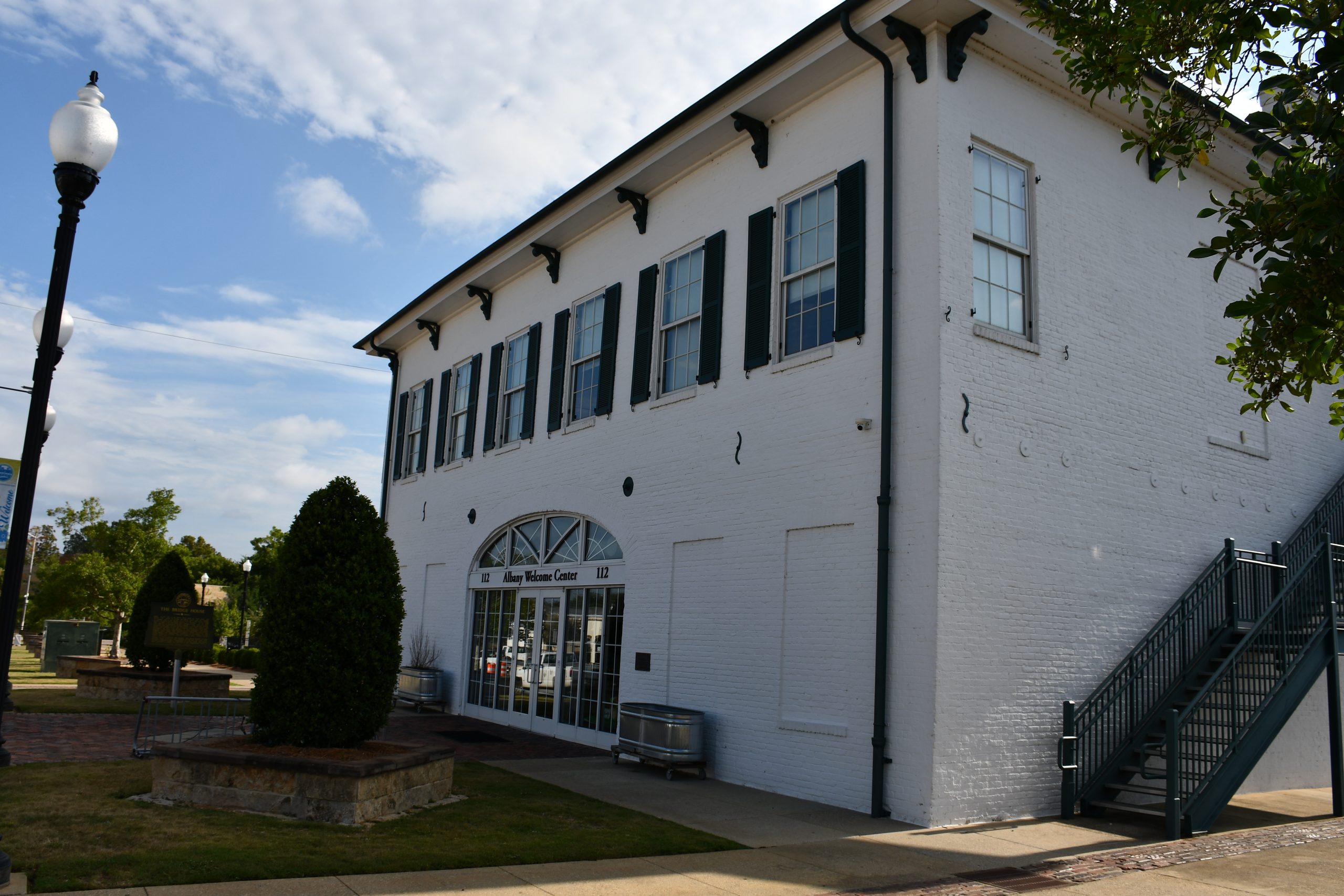
Down but not out: Downtown Albany sees new life after decades of inertia
Downtown Albany’s retail scene has been in the doldrums basically since the Albany Mall sucked all of the oxygen out. Efforts at revitalization have been in the works for much of that time, but success has not come easy. Now, there is hope tfor thefuture of the city center.
