
Georgia’s SAE School first to run 100 percent on solar power

Special Photo
From staff reports
MABLETON — The SAE School teaches preschool to 8th-grade through all subjects with a focus on Science, Art, and Entrepreneurship. Since its opening in 2013, the school has used hands-on learning experiences and a project-based learning methodology to educate its students.
Officials at the SAE School believe that, “As educators, we shouldn’t be asking students what do you want to be when you grow up; we should be asking them who do you want to be when you grow up? It’s an identity question that allows the child to be confident in who they are and be shown the character traits through education that will allow them to live the life and purpose that they were created for.”
Recently The SAE School, located in Mableton, has acquired a 126 kW DC solar PV system, in addition to an already existing 30kW system, totaling 156kW. This renewable energy source was put in place as part of the school’s interest in developing renewable energy systems directly on its campus. The system’s primary goal is to generate electrical power for use by the building itself and the secondary purpose is to be used as an educational tool for there curriculums.
“These are the kinds of projects we get really excited about,” Seth Gunning of Creative Solar USA, said in a news release. “Not only does the school benefit from clean renewable energy, but so does the community. With any excess energy being sent back to the grid from the solar array, The SAE School will essentially help to power their local community.”
With the completion of the new solar energy array, The SAE School will run 100 percent off of solar power, making it the first school in Georgia to run off of solar energy entirely.
This was all made possible through a Solar Energy Procurement Agreement pursuant to the Solar Power Free-Market Financing Act of 2015 (the “SEPA Act”). This act allows on-site solar projects private electricity purchases as a way of funding renewable energy for companies, agencies, schools and households. SEPA agreements, also known as Power Purchase Agreements, provide legal and legitimate means for funding the building and operation of a solar power system.
The set-up of the SEPA was supported by a broad group of organizations all aligned with the mission of a cleaner future powered by solar energy. These organizations came together to leverage an innovative financing structure that will enable The SAE School to reduce its annual energy costs by approximately $15,000. After the system is operational for about 10 years, the school will have the option to purchase the solar energy system. Thus its annual electricity expenses for the duration of the system’s existence will virtually be eliminated.
The organizations that came together are Southface Institute, Creative Solar USA Inc., The Bill and Melinda Nussey Foundation, Monarch Private Capital, The Kendeda Fund as a supporter of the Gooduse Grant Program, and Allen Bradley at Trusted Counsel. Each brought a unique skill set and level of experience required to make the project successful and made a significant investment of time and talent to help The SAE School.
“Southface is so proud to be a part of this achievement for The SAE School in its efforts to become a net-zero facility,” Andrea Pinabell, president of Southface Institute, said. “We applaud their foresight and determination in making solar a key part of their sustainability strategy and are thankful to our funding partners in creating this innovative model that can help other schools and nonprofits achieve similar goals.”
This arrangement directly coincides with the commitment of the school to implement clean energy projects actively on their campus. Students will not only learn about renewable energy in the classroom, they will also be living its benefits at school.
The SAE School has unique energy requirements as it does “maintain an all-year-round schedule to help students to not regress academically. In addition, to help reduce academic stress, [they] have strategically placed breaks as well.”
Considering this distinguished schedule, it was vital to couple their constant energy needs with a renewable energy source like solar energy. Additionally, cutting costs wherever possible allows the non-profit school to redirect funds normally going to utility costs throughout the year. Allowing each and every student to experience the best education while maintaining low affordable tuition costs.
Related Articles
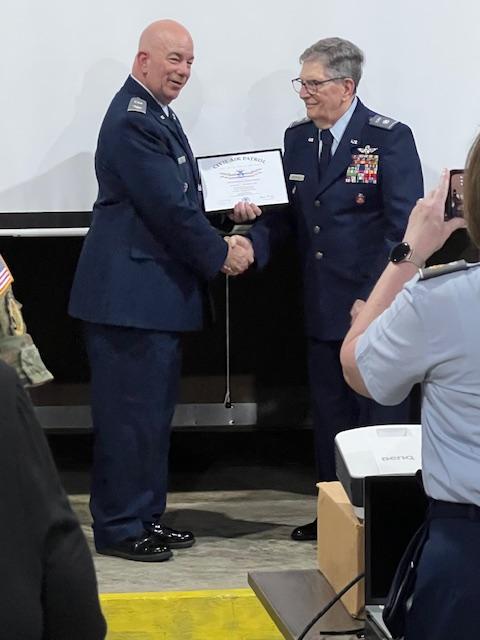
‘We train leaders’: Albany’s Marl McCracken honored for 70 years of combined service
McCracken’s path to service began even before his military career. Growing up in western New York, he spent two years in Civil Air Patrol before enlisting in the Air Force at 17 in September 1955.
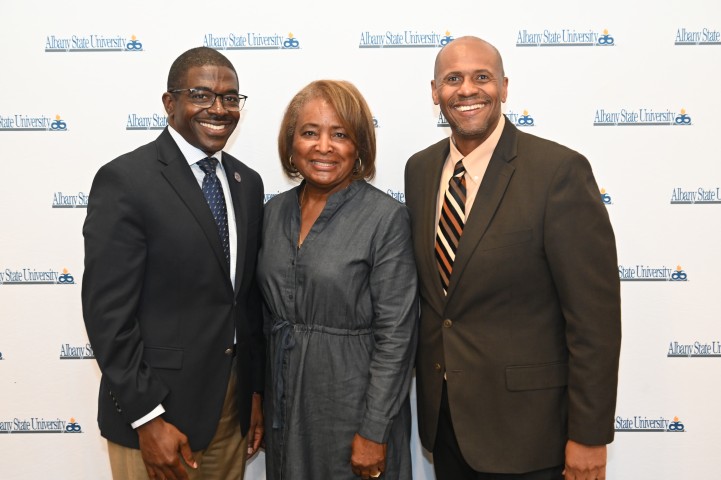
PHOTOS: Albany State and Central State MOU Signing
Click the arrow to scroll through the photos.
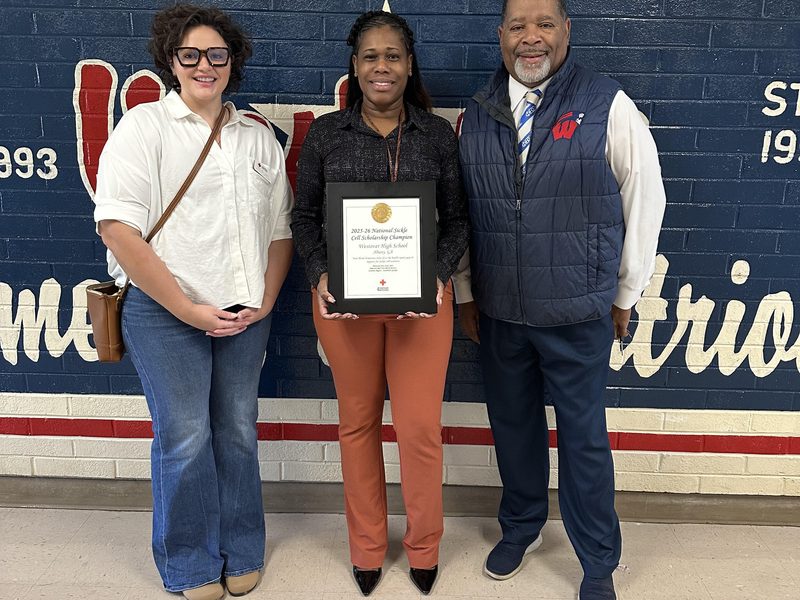
Dougherty schools celebrate national award, state honors, alumni support
From a national blood donation award to state recognition for schools and teachers, the Dougherty County School System is celebrating achievements in community service and education.
