
Dougherty commissioners split over proposed $50,000 jail study
A proposed $50,000 study of Dougherty County’s jail drew disagreement among Dougherty County commissioners Monday over whether the county needs a broader plan for inmate housing and safety or risks paying twice for work while urgent repairs remain unresolved.
ALBANY — A proposed $50,000 study of Dougherty County’s jail drew disagreement among Dougherty County commissioners Monday over whether the county needs a broader plan for inmate housing and safety or risks paying twice for work while urgent repairs remain unresolved.
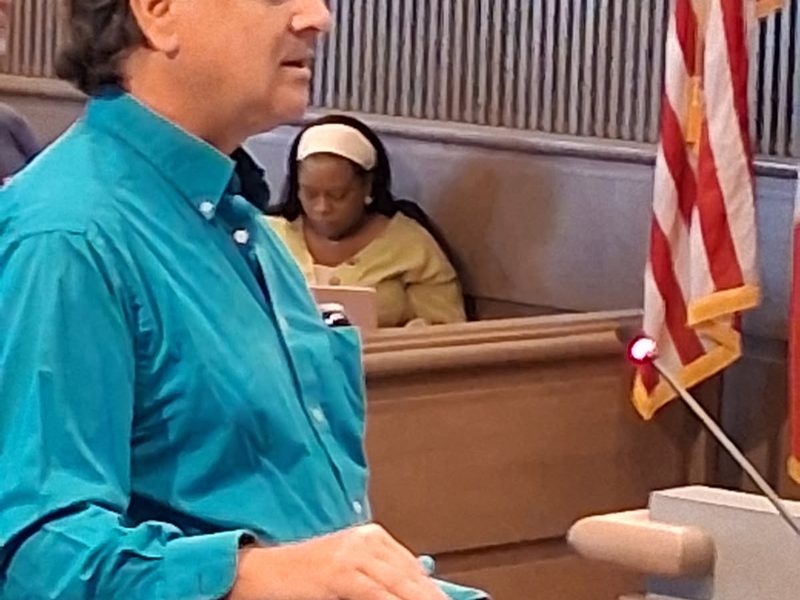
Commissioner Russell Gray questioned overlap with an earlier assessment of the jail’s building systems. Commissioners Clinton Johnson and Gloria Gaines argued that the proposed study would address operational problems the earlier work did not examine, including staffing, inmate supervision and mental health needs.
The proposal from Garmong GA LLC, working with Studio View Architecture LLC, would compare renovation, expansion and replacement options while projecting the jail’s needs over 20 years.
County Administrator Deron King said funding is now included in the budget. The Oct. 26 agenda identifies the general fund’s Jail Services account as the source.
The proposal previously appeared on the commission’s Dec. 15, 2025, agenda but was not voted on because a transfer from contingency funds was not approved.
Gray said taxpayers already had paid for an assessment by Andrews, Hammock & Powell covering mechanical, electrical and other building needs, along with plans for kitchen and lobby improvements. Only part of that work had been approved for implementation, he said.
“There are some very acute things that need to happen at that facility before we have a catastrophic failure of some of our systems,” Gray said.
Gray put the identified renovation needs at $44 million and questioned how the county would finance that work. He acknowledged the value of studying safety, staffing and operations but argued that commissioners also must act on problems already documented.
“We owe it to our sheriff’s department and our citizens to maintain what we have,” Gray said.
Johnson said the earlier assessment did not amount to a comprehensive plan for the jail.
“That’s a plan for the mechanics of the jail,” Johnson said. “That’s not the same thing as living spaces” for inmates or officer safety.
Johnson argued that a broader review would help commissioners determine whether major investments in the existing building would support the kind of facility the community needs. He said the earlier engineering recommendations should become part of the new study.
Gaines also supported the proposal, saying the prior work would help inform a more comprehensive assessment.
“The work that has been done was a small part of it, but now we’re tackling the bigger part,” Gaines said.
Representatives presenting the proposal described a study that would examine how the building supports daily operations, including medical care, mental health services, inmate classification, observation and programming.
They said the assessment could identify improvements that could be completed in phases, allowing the county to match priorities with available funding.
The planning also could help avoid installing expensive equipment that later would have to be moved, changed or enlarged to accommodate an addition or renovation, the presenters said. They emphasized that urgent repairs could proceed while the broader plan is developed.
Sheriff’s office representatives supported the study, citing staffing shortages and the difficulty of supervising inmates in the existing layout. They also discussed whether a more efficient design could expand the county’s ability to house inmates for neighboring counties and generate revenue.
The written proposal calls for evaluating the current facility and up to three additional county-selected sites. Consultants would review jail and court records, population trends, staffing and existing building systems before recommending an approach.
Estimated costs would include construction, equipment, professional services, financing and other expenses associated with the alternatives.
The firms propose completing the study within 90 days after authorization to proceed.
The disagreement left commissioners weighing two connected questions: how to pay for repairs to the jail they operate now and how to determine what facility they will need in the decades ahead.
Related Articles
Invasive vegetation spoils recreational activities at Lake Chehaw
ALBANY – An invasion of small organisms is causing big problems on Lake Chehaw, and residents say the out-of-control vegetation has taken the fun out of water activities.

Albany Herald to host Halloween evening trunk or treat event
Even with all the fun scary monsters roaming the streets on Halloween night, parents are encouraged to avoid any real possible monsters by making sure their little ghosts and goblins trick-or-treat safely Saturday.

Proposed Dougherty curfew would set limits for teens, responsibilities for parents
Children younger than 18 would face nighttime restrictions in public places, and parents would have to arrange daytime supervision for students suspended or expelled from school, under a proposed ordinance discussed Monday by the Dougherty County Commission.
