
After 13 years, GraceWay still helping women establish a new life after substance abuse
Core services at GraceWay Recovery Residence remain in place after 13 years
By Jennifer Parks
ALBANY — Patterns relating to drug addictions may have changed over the last 13 years, but the overall mission behind GraceWay Recovery Residence for Women has not — nor has the community support behind its mission.
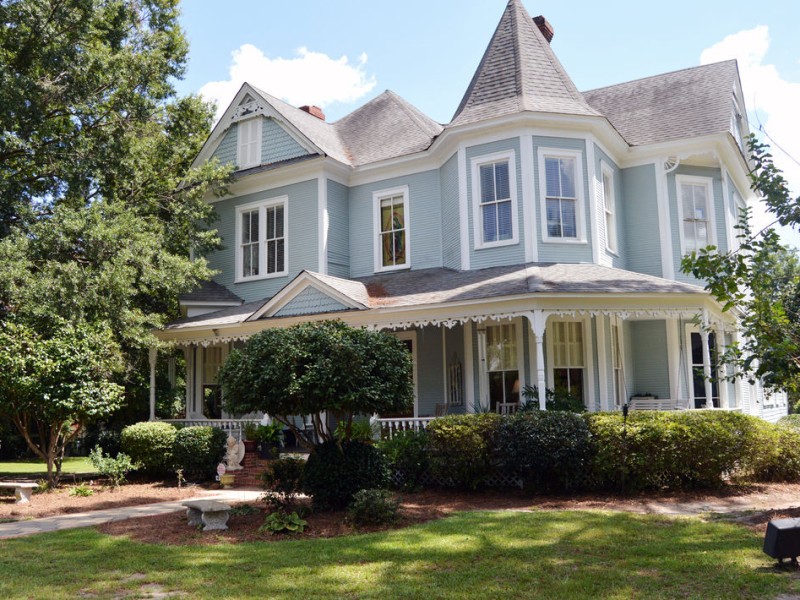
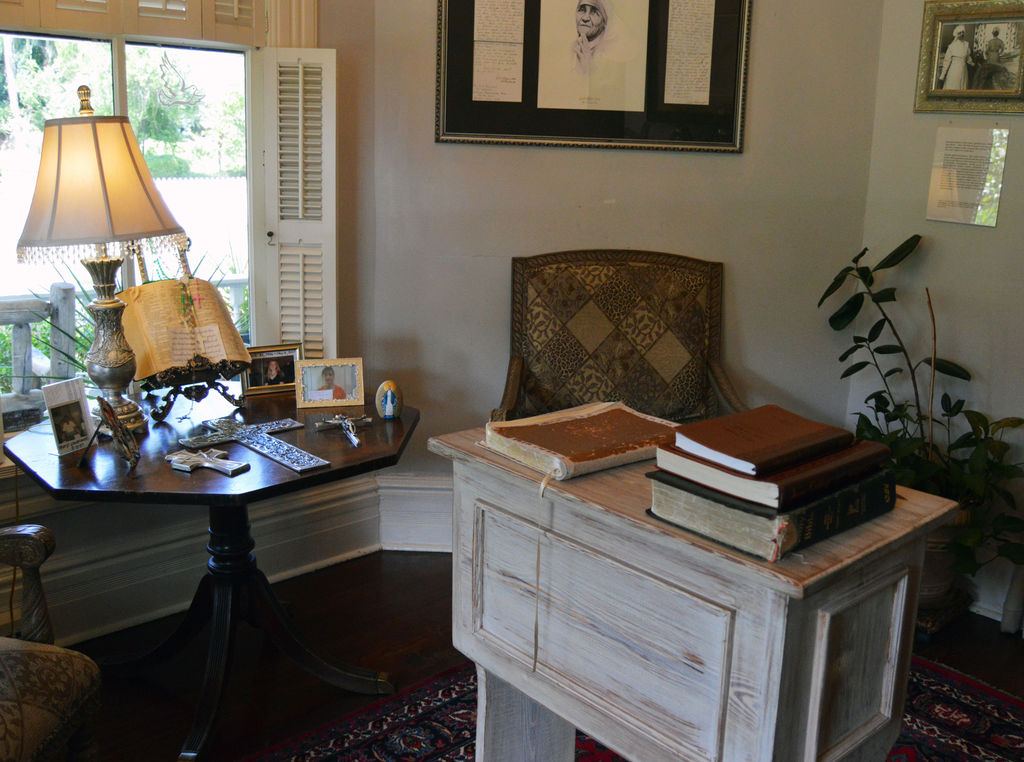
GraceWay was founded Aug. 15, 2003 as a non-profit, long-term substance abuse rehabilitation center for women. Based on West Tift Avenue, it provides inpatient care, as well as after care, designed to teach women struggling with substance abuse that there is another way to live.
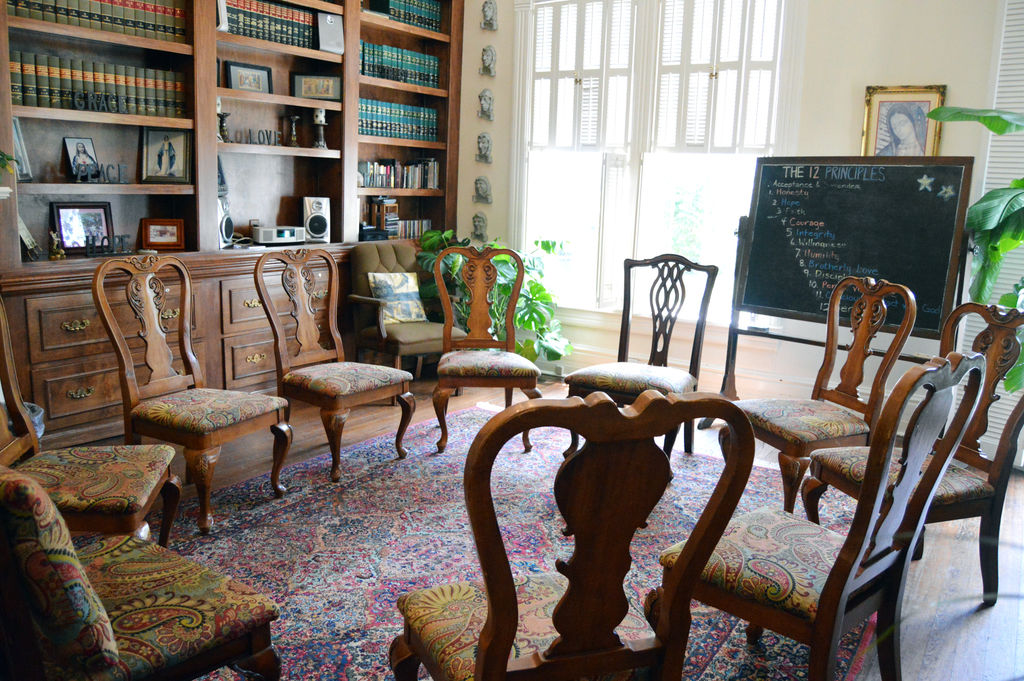
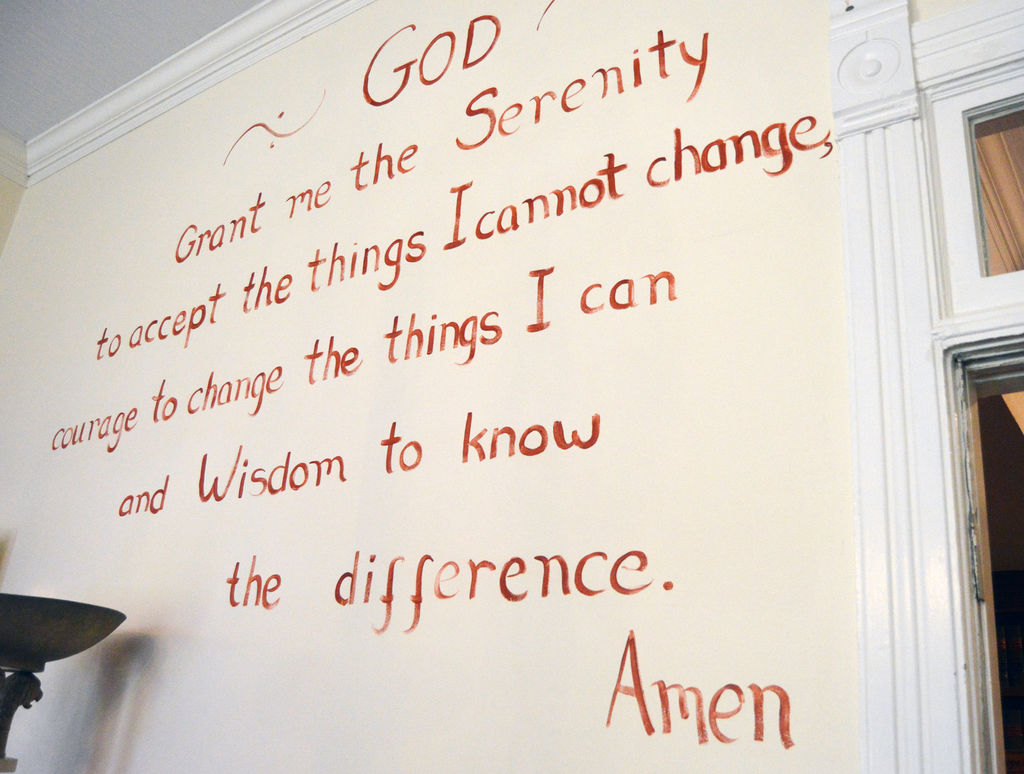
The recovery center uses the 12-step, holistic approach incorporated by Alcoholics Anonymous, peer support, and discussion dedicated to addiction as it relates to trauma and relationships, as the primary means for treatment.
“We offer a structured environment,” said Shannon Burke, program director for GraceWay.
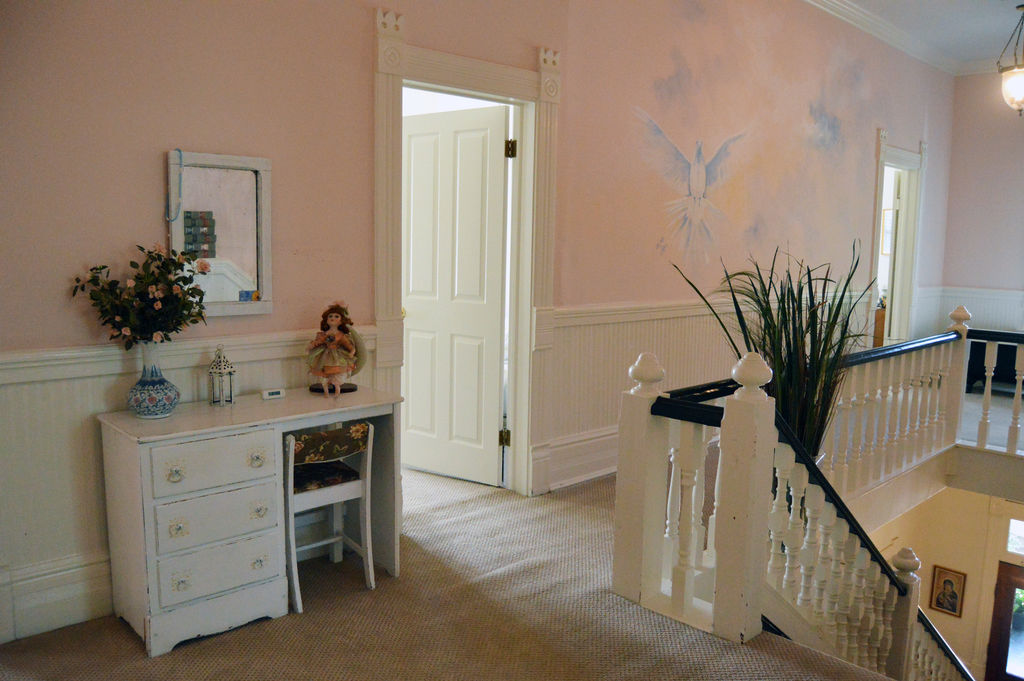
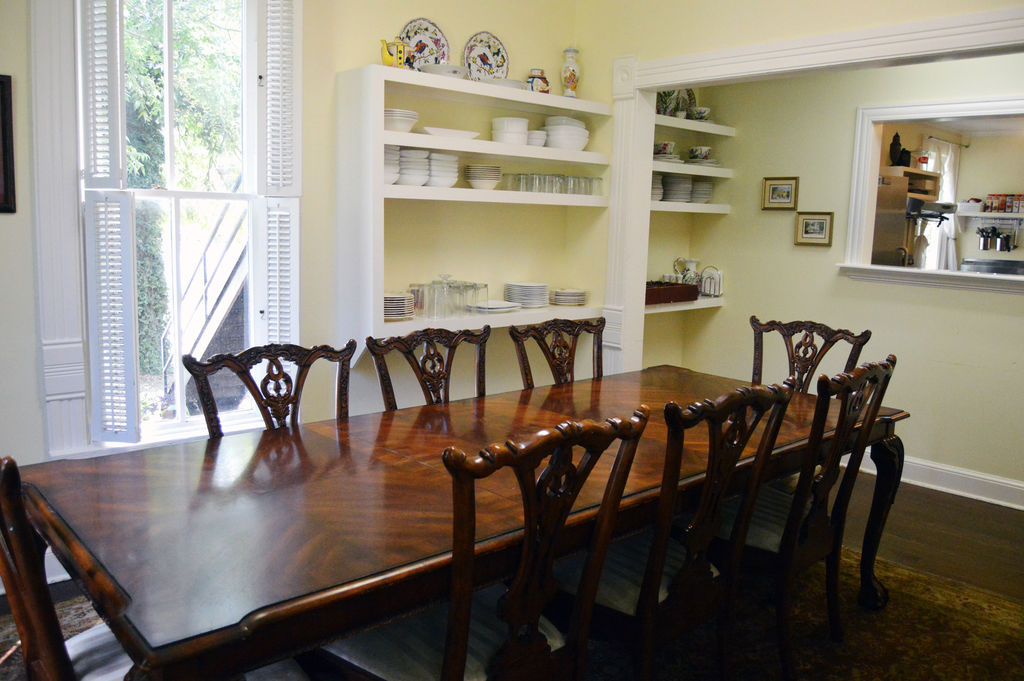
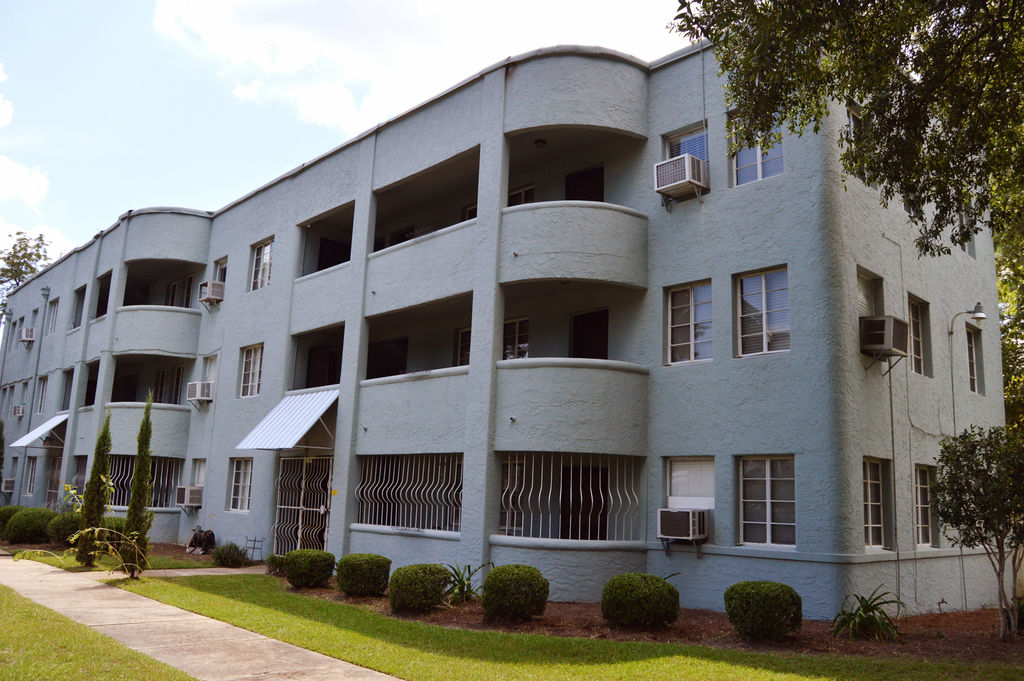
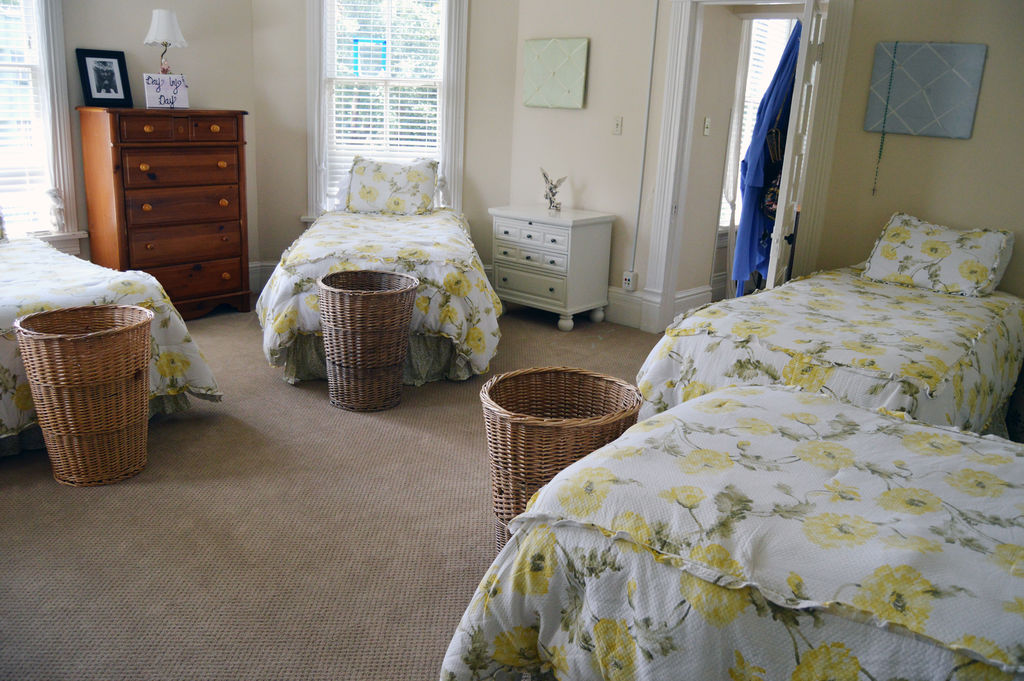
The women in GraceWay live in either the organization’s main house, or in an adjacent apartment building. Individual sessions are done weekly, along with group sessions and outside activities.
“(The activities) are to show them sobriety can be fun,” Burke said.
Recovery plans depend on the individual, but the program can last up to two years. Every 30 days, the women are re-evaluated to see if a course adjustment is needed.
GraceWay was founded by Debbie Mazur, who at the time had been in addiction recovery for 13 years.
“She saw an unmet need in Southwest Georgia, particularly for women, and (wanted to) meet that need,” Burke said.
The core services have remained the same, but some elements have been added and subtracted to accommodate the changes in society associated with addiction. One change has been the average age an addiction problem presents.
Burke said that in 2003, the average age of a GraceWay resident was 40, but now the average is 24.
“We had to cater to that demographic change,” she said.
Another trend forcing GraceWay to adjust its approach is the type of drugs people are abusing. These days, more individuals are becoming addicted to prescription drugs.
“The progression we see is that kids get a hold of Percocet when they get their wisdom teeth out, and they look for more,” Burke said. “Then they move to heroin because it is cheaper.”
Burke said a change in family dynamics has also lead to a shift in the trends regarding drug addiction. Often times, intentional or not, everyone in a family circle plays a role when a loved ones develops an addiction problem — many times by enabling the behavior.
“When that happens, it robs them of their identity,” she said.
Also among society’s trends is a rise in technological developments, allowing for net books to be used in GraceWay’s program. There are more evidence-based methods available that relate to addiction, giving the organization a wider scope on how to address an obstacle.
“We have tried to implement what we’ve seen in other organizations,” Burke said.
There has been more of an effort to bring in painting, music and arts and crafts — which, while trying something new, helps to reduce stress and allow the women to shift focus toward recovery.
“We are trying to incorporate more of an artistic side to the program,” Burke said.
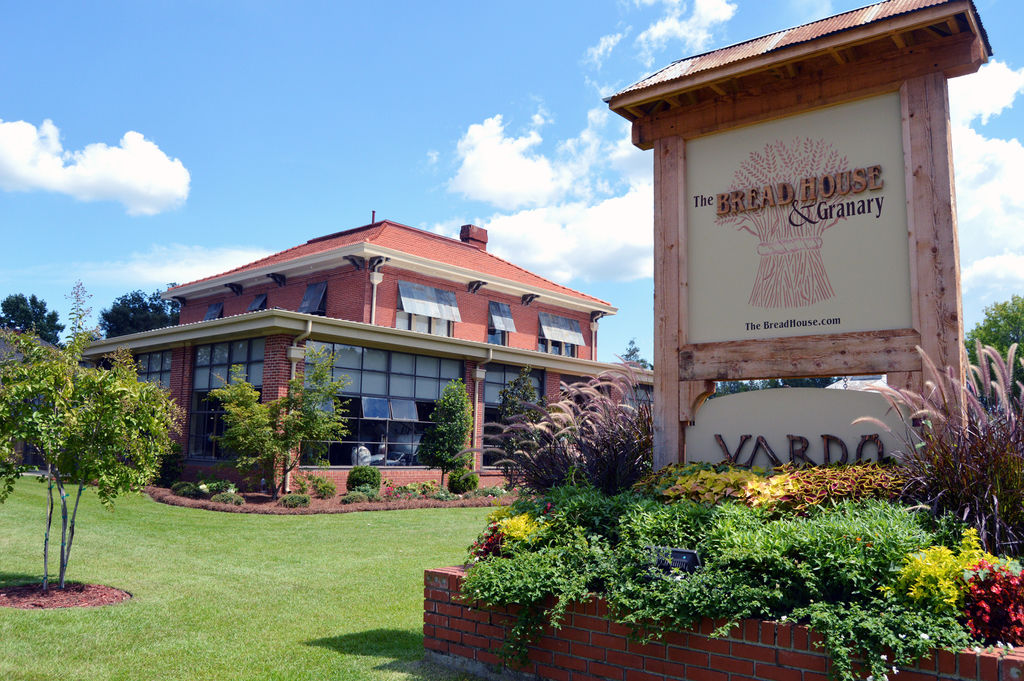
Vocation training is also now a part of the therapy GraceWay provides and that is done through The Bread House and Granary, which moved earlier this year from a Dawson Road facility into a larger space, that once housed a day care, at the corner of West Tift Avenue and North Jefferson Street.
The new building has a kitchen as big as The Bread House’s former facility, and is located down the street from the GraceWay residence.
“We have done great down there,” Burke said. “We are still shocked about the new building. It is a safe place to gain training and experience before (going into) the real world.
“This is something to help GraceWay be self-sustaining.”
The Bread House has seen significant community support, as have the other methods GraceWay uses to help its women. Businesses have donated time and resources to make certain aspects of GraceWay’s substance abuse recovery program — such as yoga exercises, appliances and gardening supplies — a reality.
“(The community support has) been strong from the beginning,” Burke said. “Not only has it been consistent, it has grown.”
Amy Jack is now a counselor at GraceWay, but at one time she was a resident attempting to overcome an addiction.
“GraceWay gave me everything I needed to build a solid foundation for my recovery,” Jack said. “I learned not only how to live sober, but also what I was capable of. That created a sense of empowerment and instilled hope and a desire to push myself beyond what I ever thought I was capable of achieving, not only my sobriety, but in all aspects of my life.
“Today, working at GraceWay as one of the counselors, I am given the opportunity daily to give back to the women we serve in the same way it was once given to me.”
Many of the women at GraceWay are not likely there by choice, so there is often an adjustment period of about two weeks. After that, connections begin to form.
“We’ve seen women embrace it because they are accepted and not judged here,” Burke said. “Our opinion of them will not change.
“It has been pretty amazing what has happened in this house … (The women) are capable of lot more than they realize.”
A significant challenge GraceWay faces is how addicts tend to view sobriety, which Burke said they now embrace less because those depending on drugs and alcohol have resigned themselves to a lifestyle on the streets.
“Helping women with addiction has become difficult in the last five years,” she said. “They come in at 24, but stop self-soothing at 11 or 12.
“(They have to) have someone they know that cares.”
Even if they embrace drug rehab, individuals can still ebb and flow — having their good days and their bad. The key is helping them adopt a different way of looking at things, which can be a mentally, emotionally and physically challenging process.
“Everything they are doing is in conflict with what they were doing before,” Burke said. “It is almost like learning to walk again.”
A client in the GraceWay program, identified as Gabby, can relate to that.
“As my disease progressed, the possibilities I saw for my life grew smaller and smaller until I became an empty shell of a person with no hopes or dreams,” Gabby wrote. “The GraceWay staff believed in me until I could believe in myself. Now, all those things I thought were impossible are becoming possible and I am finally learning to truly live.”
Over the years, it has not been lost on GraceWay’s founder how the backing of the community has led the organization to what it is now.
“The support of the community has been vital to our growth and success,” Mazur said. “We have had countless collaborative partnerships including the YMCA, Tony’s Gym, First United Methodist, Porterfield (Memorial United Methodist) Church, St. Theresa’s, Sherwood Baptist, Byne Baptist (basically all the churches in Albany have contributed to GraceWay in some way), The Junior League, The Knights of Columbus, The Sertoma Club.
“I know I am leaving some out because there have been so many Southwest Georgia organizations that have supported GraceWay since the very beginning.”
GraceWay has the goal of multiplying its impact through self-sustainment via The Bread House, as well as increasing its space and resources so that it can serve more women — and in the future, possibly men — in a confidential and comfortable environment.
Some of that will come from an increase in staff, monetary resources and an increase in its art and crafts component as well as community training on addiction.
“We are getting as much education and resources as we can … so we can give the best care they can receive,” Burke said.
Community education is already done by GraceWay occasionally, and it is something Burke said she would like to do more in public venues and through seminars to help remove the stigma associated with addiction.
“The stigma is better, but it is still there,” she said.
Among the many words of wisdom GraceWay has relied on includes those of the late activist and author Howard Zinn.
“Small acts, when multiplied by millions of people, can transform the world.”
For more information on The Bread House, visit thebreadhouse.com, call (229) 888-9775 or email [email protected]. GraceWay, which currently is undergoing website maintenance, can be reached at (229) 446-7800.
Related Articles
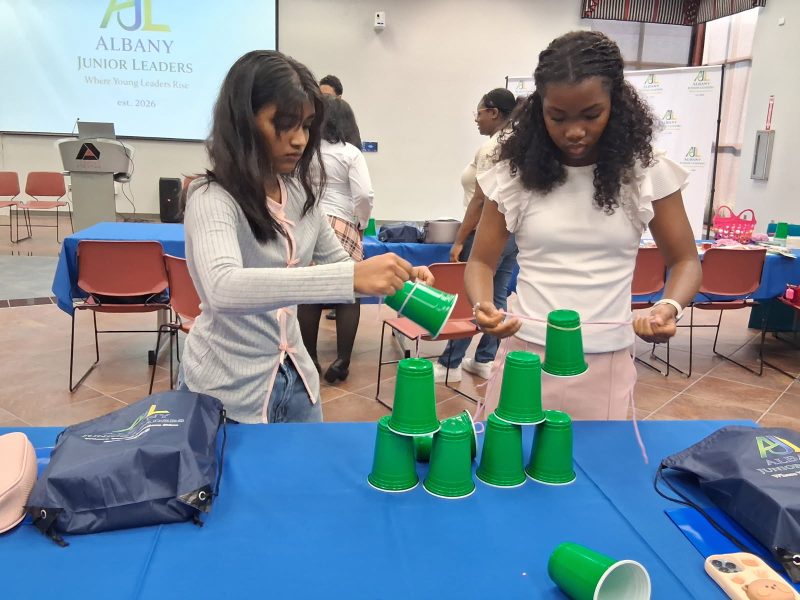
Adult leadership group spreads concept to high school students
“The purpose of Albany Junior Leaders is to pull together leaders from all over the community. We wanted to give these youth the same experience and the same exposure we’re getting in Leadership Albany.”
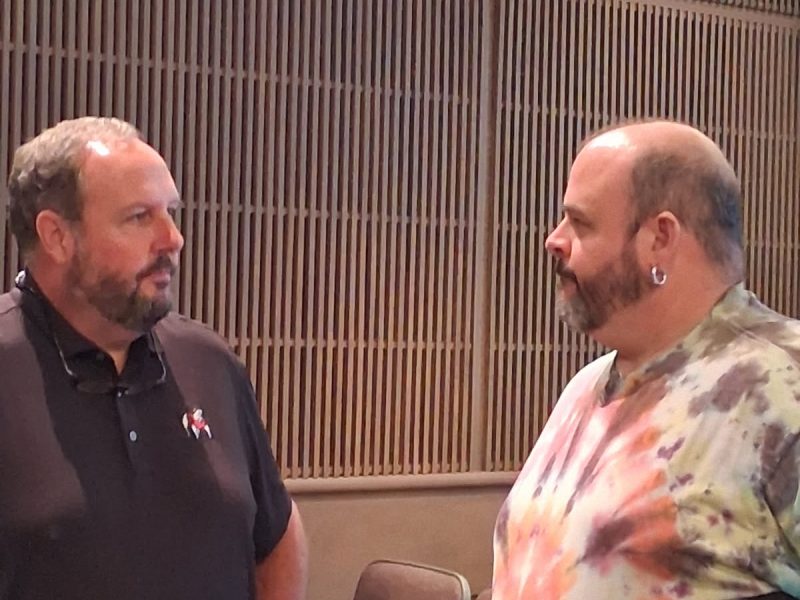
Albany/Dougherty County among local governments looking at data centers
“Our understanding is that data center developments look like an easy fix for the problems that face rural America, but this is a Faustian deal at best. You can see the effects in communities across the state and country.
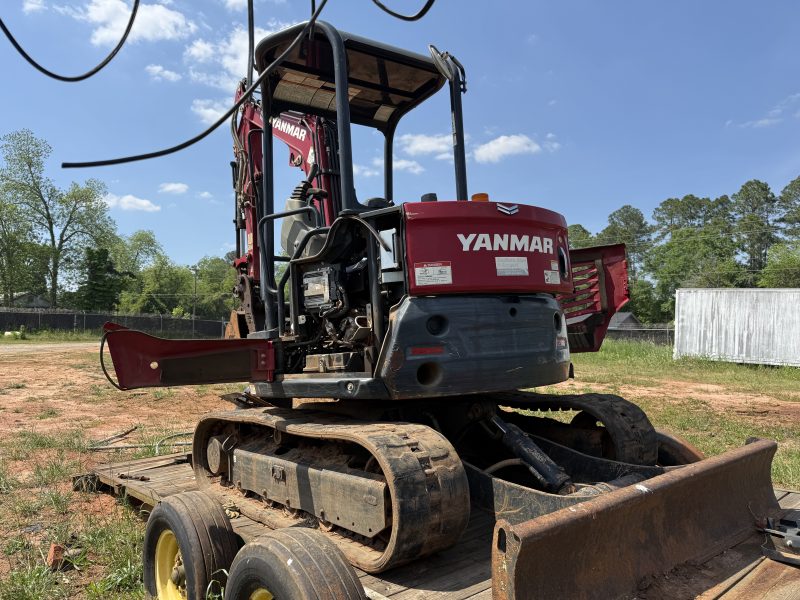
Dawson approves $68K excavator purchase after months of contradictory public statements
The decision concludes one portion of a controversy that has generated months of public scrutiny but leaves several unanswered questions regarding how the city’s original machine was damaged, whether employees were held accountable and what documentation supports the decision to replace rather than repair it.
