
Albany and Dougherty officials say SPLOST about needs, not ‘wish list’
Albany, Dougherty County have collected half-billion dollars in special taxes over 30 years
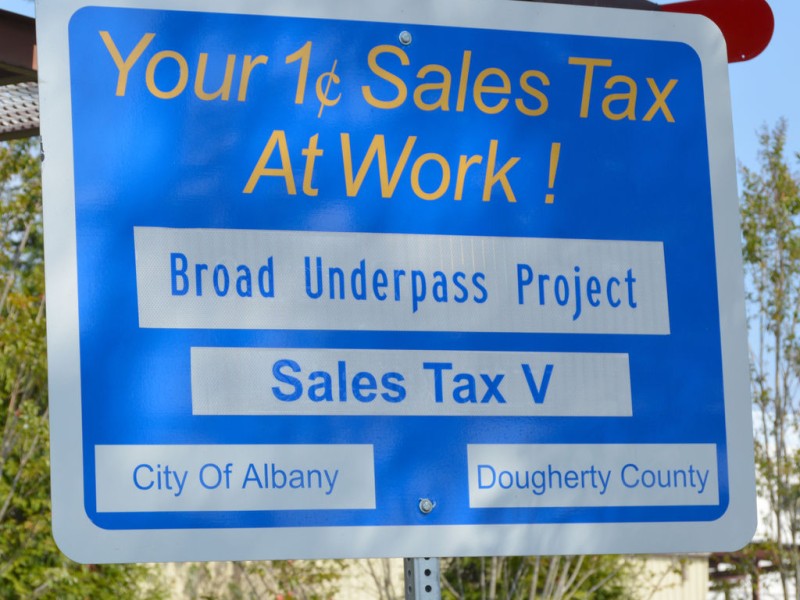
File Photo
By Carlton Fletcher
ALBANY — As Dougherty County’s vote on continuation of the 1 percent special-purpose local-option sales tax that has been in effect locally since the tax was approved by the Georgia Legislature in 1986 nears, a simple question has reverberated across the county.
Just what is SPLOST?
The answer to that question is a relatively simple one, but there are enough complexities associated with it to warrant a refresher course.
Local officials offer simplest-term answers that cut to the heart of the special tax.
“In Georgia — in Albany — we have an opportunity, with approval of the voters, to use 1 percent of sales taxes collected to invest in our community,” City Manager Sharon Subadan said. “I think the people of the community realize just how fortunate we are to have this opportunity. Without SPLOST, we would not be able to pave roads, work on our sewer system, install lighting, pave alleys, build buildings … not on the level we’re able to do.
“We just don’t have the capacity without SPLOST funds.”
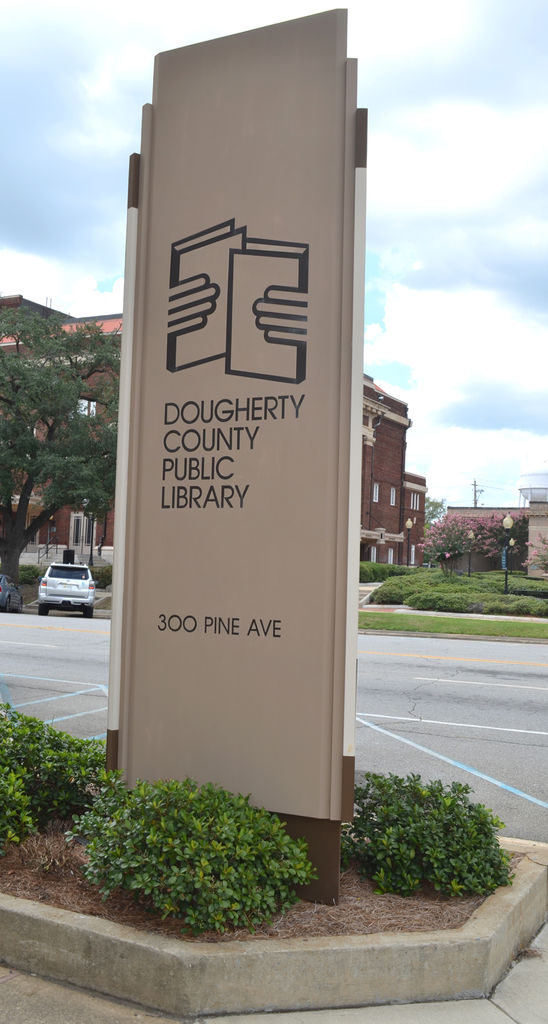
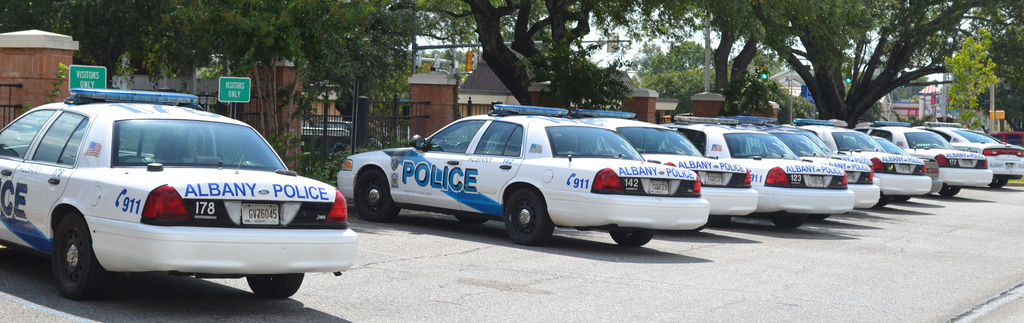
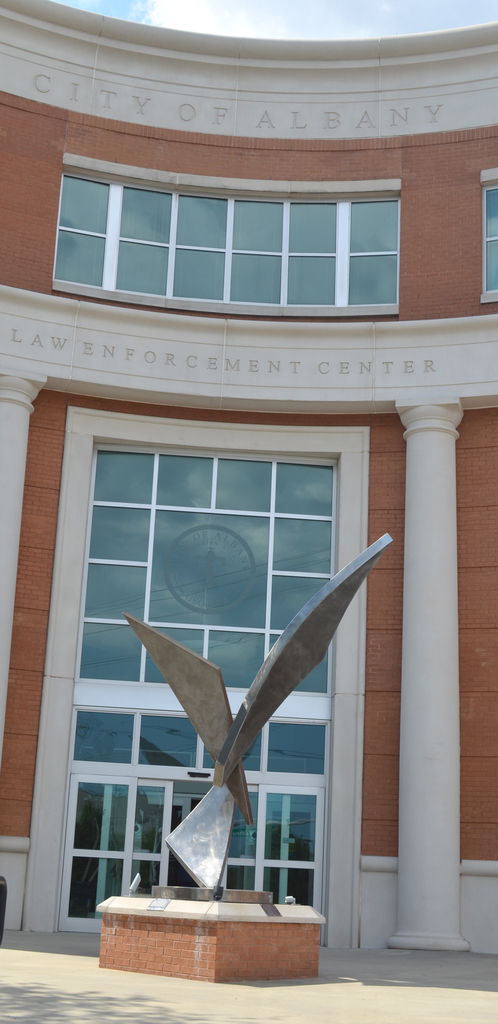
Indeed, the seemingly innocuous “one penny on the dollar” that is added to purchases throughout the city and county has amounted to a half-billion dollars in the 30 years of SPLOST collections. With those billions of pennies, the city and county have paved miles of roads; built or improved industrial parks; built and supplied fire, EMS and police stations; built and supported the county jail; improved the five libraries in the county’s system; supplied first responders with equipment, including vehicles; improved technology; built and maintained government, judicial, public health and mental health facilities.
“Albany and Dougherty County would definitely have a different landscape without SPLOST,” County Administrator Richard Crowdis said. “Without the money SPLOST generates, we wouldn’t have the revenue to purchase equipment, build buildings, improve our infrastructure.
“Some people may not understand how significant that penny is, but with Albany and Dougherty County being a trade center for the region, it has an even more significant impact. When people come here from out of the county to shop, for medical treatment, to attend athletic events, to eat, to make purchases at our mall and other commercial establishments, they’re adding to our SPLOST collections.”
And, Crowdis notes, the outside contributions are significant.
“The last time a study was done,” he said, “40 cents of every dollar in SPLOST collections came from people outside the county. And while some might say that that’s unfair, it really isn’t. Those folks are using our roads, our services, our infrastructure, our facilities.”
SPLOST has gone through significant change over the years since the Legislature voted to allow the state’s 159 counties to determine for themselves if they wanted to add a 1 percent tax to “improve roads, streets and bridges.” Initially, the Legislature determined, counties whose voters had approved the special tax could collect it for four years.
State leaders upped the ante at the end of the first SPLOST period. With reports of overwhelming success coming in from participating counties, the legislature voted to up the collection period to five years and to add “capital improvements” to the uses of SPLOST collections.
The state altered the rules of SPLOST collections after each subsequent collection period through SPLOST V: Adding “community projects” to the approved funding list for SPLOST III and “debt management” to SPLOST IV. With SPLOST V, state leaders voted to allow collections to continue for six years with no cap on the amount collected, so long as all municipalities or government entities located within the county agree to an equitable split of tax funds collected.
In Albany and Dougherty County, SPLOST collections have risen with each new referendum, all of which have been approved overwhelmingly by local voters. Collections totalled:
SPLOST I: $56,340,740
SPLOST II: $67,266,860
SPLOST III: $84,686,174
SPLOST IV: $86,833,274
SPLOST V: $92,912,282
SPLOST VI: $70,852,806 (through 2015)
“We’ve collected $54,239,864 through July of this year in the city,” Albany Finance Director Derrick Brown said of current SPLOST VI funds. “We’d projected $62.7 million through March of next year, so we’ve got eight more months to go. Collections were strong at first, but they kind of slowed down for a while. It’s going to be close whether or not we make our projections.”
Some in the community have encouraged voters to reject SPLOST, several noting, officials were already planning what to do with the money before its voted upon. City and county officials say they have no choice in doing so.
“State law demands that we identify a projects list,” Subadan said. “Every investor — and our taxpayers are investors in this process — has a right to know what they’re investing in. When we develop project lists, with input from taxpayers, we’re being transparent and honest, showing the taxpayers where their money will be spent if they approve the SPLOST.”
Planning, County Finance Director Martha Hendley said, is vital to the process.
“With the amount of money involved in SPLOST, if you don’t go into each one with a strategic plan, it just won’t work,” she said.”
Both the city and county have developed SPLOST VII project lists based on collections of $92.5 million through the six years of the special tax, if it is approved by voters during the Nov. 8 general election. Based on percentages agreed to by city and county officials (64 percent for the city, 36 percent for the county), Albany would collect $59.2 million over SPLOST VII and Dougherty County $33.3 million.
Both city and county officials have made clear that their use of SPLOST VII funds would focus on infrastructure improvements.
“You have to plan ahead,” Crowdis said. “When you have buildings, you have to project into the future for repairs, new roofs, new air conditioning units, new carpet. And you have to replace vehicles, upgrade infrastructure, repair roads.
“I think part of the problem is when the media refers to SPLOST projects as a ‘wish list.’ The connotation is of something that’s not necessary. These projects are not wish lists, they’re needs. These are necessary projects that, without SPLOST, I don’t know where we’d get the money to provide them.”
One of the more peculiar restrictions placed on counties by the legislature is that officials cannot “advocate actively” for SPLOST approval. That keeps officials from putting on a full-court press to sell SPLOST in their communities. But those officials certainly can make it clear what the 1 percent tax means to the taxpayers in their communities.
“We have to be careful that we’re not actively advocating for SPLOST,” Subadan said. “But we can be transparent and demonstrate the need. I may not be able to advocate, but I can educate.”
Author

Related Articles
Georgia’s school funding formula still ignores poverty; educators say students pay the price
During a report to the board on the outcomes of this year’s legislative session, Dyer discussed the district’s efforts to persuade lawmakers to add an “opportunity weight” to Georgia’s Quality Basic Education (QBE) funding formula — a change supporters say would provide additional state funding for students living in poverty.
Red light violations will bring citations at a dozen Albany intersections
“That was always the goal of the school zone cameras, to change the behavior. It’s the same with the red lights, we want to change the behavior. When you see a yellow light, you need to slow down and prepare to stop.”
Dougherty Commission considers $104 million budget for 2026-2027 budget year
“The other side of the coin is you could have higher revenues than projected. We’re very conservative in budgeting revenues. That also reduces the need to use fund balance”
