
Albany Green Energy biomass plant begins test run
Biomass facility to begin providing steam and energy needs by mid-summer
By Brad McEwen
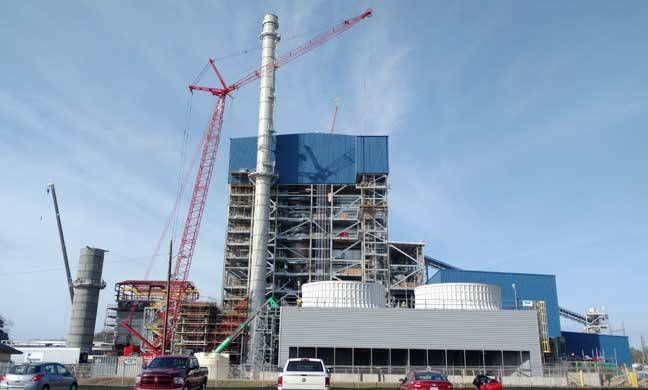
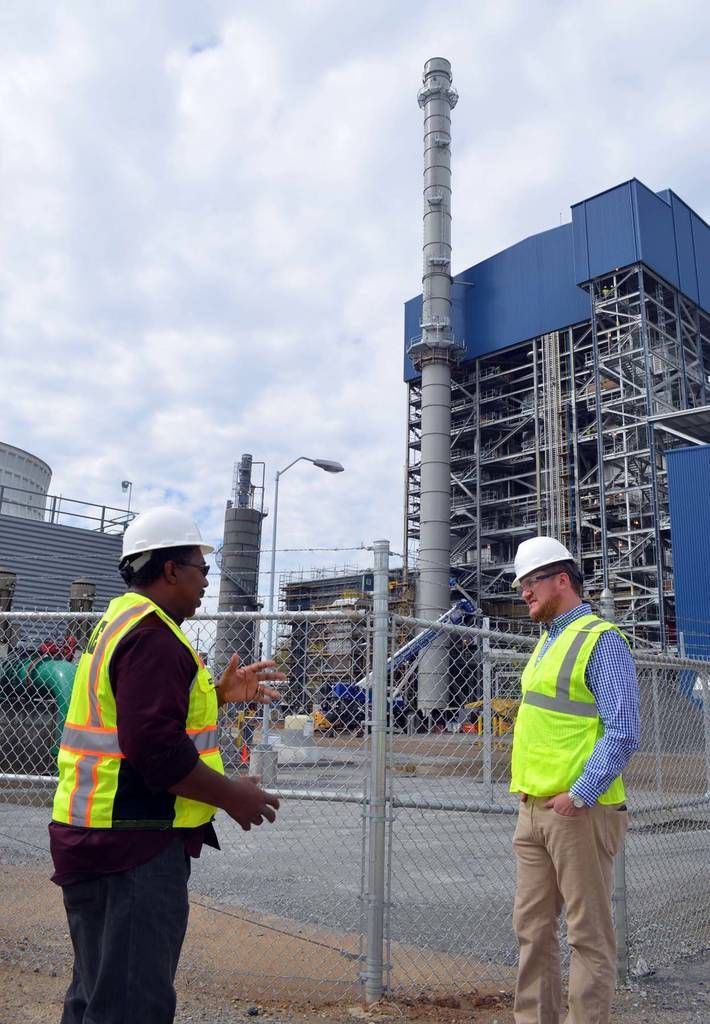
ALBANY — Although the new Albany Green Energy biomass renewable energy plant will not be meeting the needs of its commercial clients until mid-summer, the facility that will soon be supplying energy to Georgia Power and steam to Procter & Gamble and Marine Corps Logistics Base-Albany has begun its testing phase.
According to information released by Constellation, the Exelon Energy subsidiary that will own and operate the 50-megawatt cogeneration plant located next to P&G, the AGE facility began its initial testing period March 15 when operators started testing and cleaning the main piping that will carry steam from the plant to P&G.
There will be roughly five to seven days of testing through March 31, in which condensed water will be vented through the system piping to ensure that when the facility becomes fully operational it will be able to supply 100 percent of the steam P&G needs in its production of Bounty paper towels and Charmin bath tissue.
Sources close to the project said the first step in the testing period began last week when the plant’s boiler was turned on for the fist time. Gas was used for the initial start-up rather than the chipped wood biomass fuel that will eventually power the fully operational system.
Once the boiler was fired up, operators began a process known as “refractory curing” during which the boiler is heated so that the insulation material that lines the inside of the main boiler is cured using a heating process similar to baking.
Part of that refractory curing process will include getting the boiler’s internal temperature up to 1,000 degrees Fahrenheit and sustaining that high temperature for a certain length of time. Those tests are needed to ensure that the boiler can handle the fully operational temperatures of 1,600 to 1,700 degrees.
Once the refractory curing process is completed plant operators will then do what are known as “steam blows” during which pressurized steam is pushed through the system to make sure the piping and tubing is operational and clean.
The steam blows are critically important for preparing the plant to supply P&G with its steam needs.
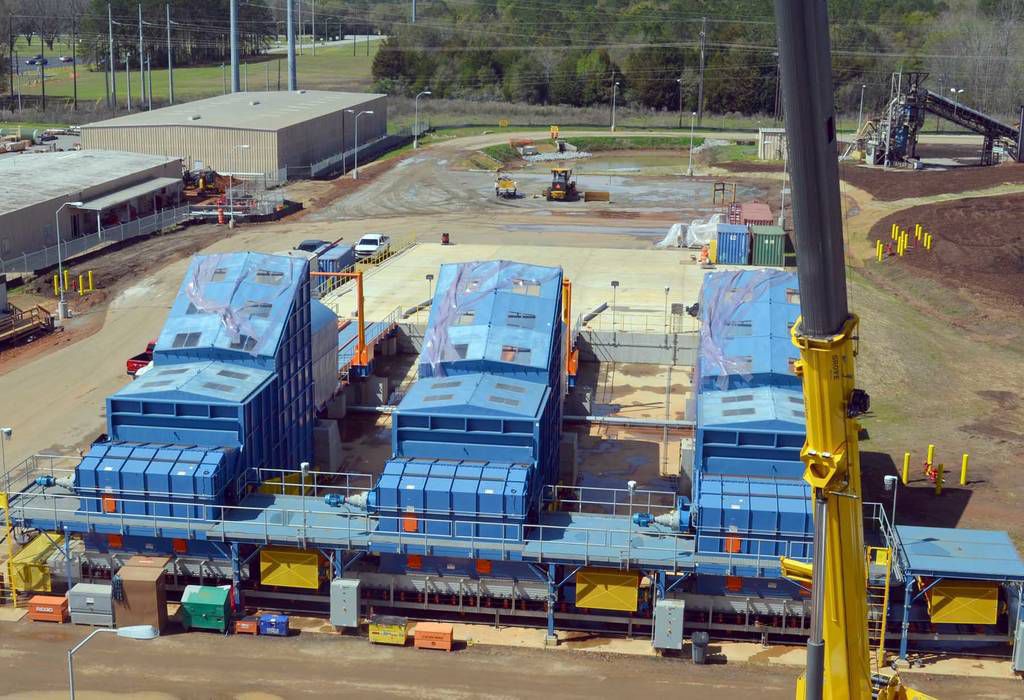
Once some of the milestones surrounding the operation the boiler are completed, operators will turn their attention to testing some of the facility’s other processes and equipment, like the three tippers adjacent to the plant’s fuel yard, which will be used to lift truck-pulled trailers of wood brought in on a daily basis.
James Luckey III, the plant manager of the AGE facility, said recently that each trailer will hold roughly 20-23 tons of the chipped wood fuel that will heat the boiler, and that the tippers will be tipping enough trailers to meet the plant’s fuel need of 100 tons of wood a day.
As the wood fuel starts arriving toward the end of the month, operators will also test the massive stacker/reclaimer machine and its associated conveyor systems, which will be used to spread the wood in the fuel yard, then retrieve the wood and carry it into the plant proper.
Later, in what will ultimately be a roughly 90-day testing period leading up to the midsummer commercial start date, operators will run tests to make sure the facility meets the emissions and performance standards required by P&G, Georgia Power and the state of Georgia.
Once the testing phase is complete and the plant begins the process of supplying the power and steam needs of its customers, it will mark the culmination of a complex, multifaceted project involving several major players that has been years in the making.
“The long and short of it, this deal would not have occurred if it wasn’t for the public and private partnership that allowed this to occur,” said Brenden Quinlivan, executive director of distributed energy origination for Constellation. “I mean, you’re talking about Procter & Gamble, Georgia Power, Constellation, Marine Corps Logistics Base, the (Albany-Dougherty) Payroll Development Authority, who absolutely enabled the use of the land at appropriate financial accommodations for the building of the project.
“You’re talking about seven to eight key partners that had to negotiate a $200 million plant. And that is a lot of moving parts. But we’re proud that it was accomplished.
“This structure and the construct of this asset having a power off-take with the local utilities, a steam off-take with a commercial industrial customer and then a steam off-take with a federal customer is exceptionally unique.”
Related Articles

New commander takes helm as Marine Corps logistics adapts to evolving battlefield
Brig. Gen. Kevin G. Collins assumed command of Marine Corps Logistics Command during a change of command ceremony at Marine Corps Logistics Base Albany, succeeding Maj. Gen. Keith D. Reventlow after four years leading the organization responsible for sustaining Marine forces around the globe.

DOT says delay in Oglethorpe Bridge opening should be brief
“We know it’s not going to be July 22. We don’t think it’s going to be much later than that.”

City of Albany has big July 4 celebration planned for Saturday
“It’s going to be a lot of moving and shooting them off in a short time. It’s going to be a big show.”
