
Albany included on worst cities list
Local leaders weigh in on Albany’s inclusion on 50 worst cities list

By Brad McEwen
ALBANY — Driven by its large number of people living in poverty and its low median income, Albany was named the 21st-worst city to live in this week by online outlet 24/7WallSt.com.
In an article titled “50 Worst Cities to Live In,” the writers attempted to rank the “roughly 550 cities the U.S. Census Bureau reported as having populations of more than 65,000 residents in 2015,” meaning a city the size of Albany, with a population of 73,016, shared its place on the list with cities like No. 6 Birmingham , Ala, which has a population of 212,653, and much larger cities like New York City, which has a population of over 8.9 million and came in at number 44. The No. 1 slot on the list was held by Miami, Fla.
In crafting the list, the authors used nine different criteria: crime, demographics, economy, education, environment, health, housing, infrastructure and leisure, and gave a certain weight to each. The authors also state that “because income is highly associated with with a range of social and economic factors, financial status was a major component of the ranking.”
Therefore, median household income, affordable housing and the overall percentage of a city’s population living below the national poverty rate of 15.5 percent had significant impact.
In the case of Albany, which came in on the list just above Youngstown, Ohio, and just below No. 22 Milwaukee, the factors that drove its inclusion were it’s median household income, it’s lack of a skilled work force and its high poverty rate.
Albany’s median household income of $29,613 a year is well below the $53,657 national mark, while its percentage of adults with at least a bachelor’s degree, 18.2, is lower than than the 30.1 percent national rate. The article argues these two factors reflect the city’s number of jobs and its “industry composition.”
The likely main largest driver for Albany’s inclusion on the list, however, is the community’s 34.4 percent poverty rate, which shows more than a third of the city’s residents live below the poverty line, something the list’s authors stated was “a larger share than in all but a handful of other U.S. cities.”
Upon hear that Albany was named to the list and hearing what factors were at play, reaction from the city’s business, civic and educational leadership was varied, with several pointing out that there is no disputing that the challenges presented are real.
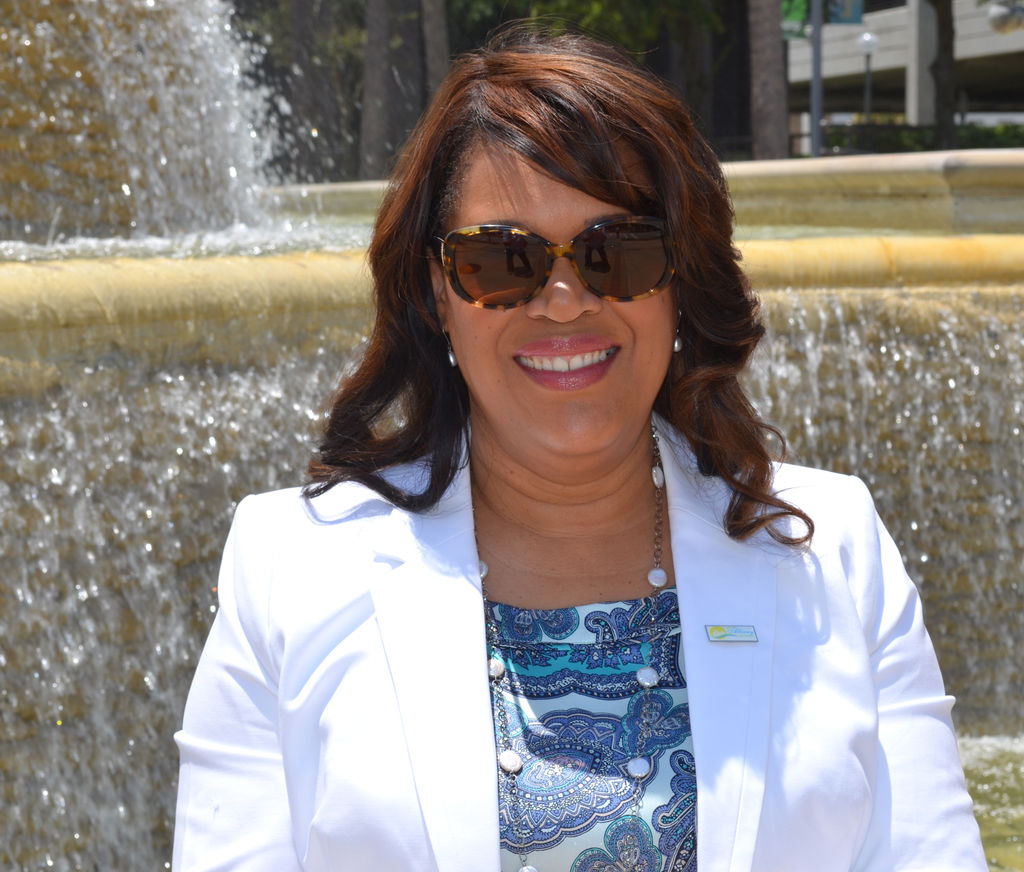
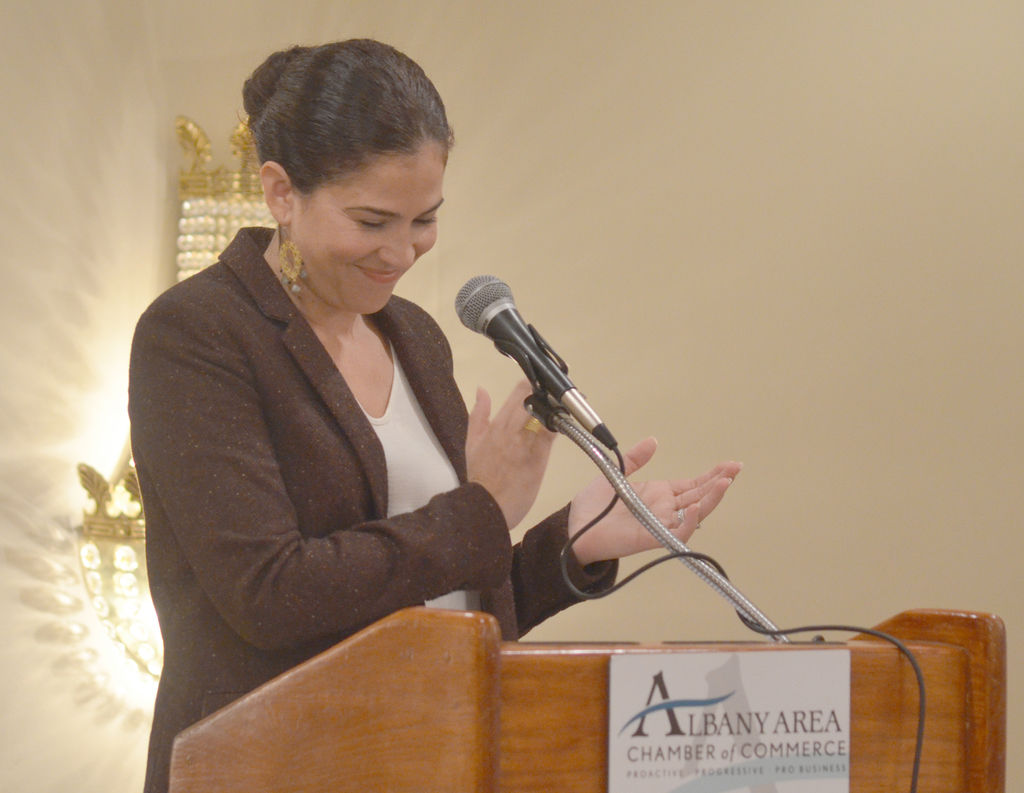
“This re-emphasizes the importance of the work that we, as a community, are engaged in,” said Albany Area Chamber of Commerce interim President Barbara Rivera Holmes. “Like in any community, there are challenges that we have to work through, and as a community we’re working through them. I take great pride in knowing that we’re addressing the challenges.”
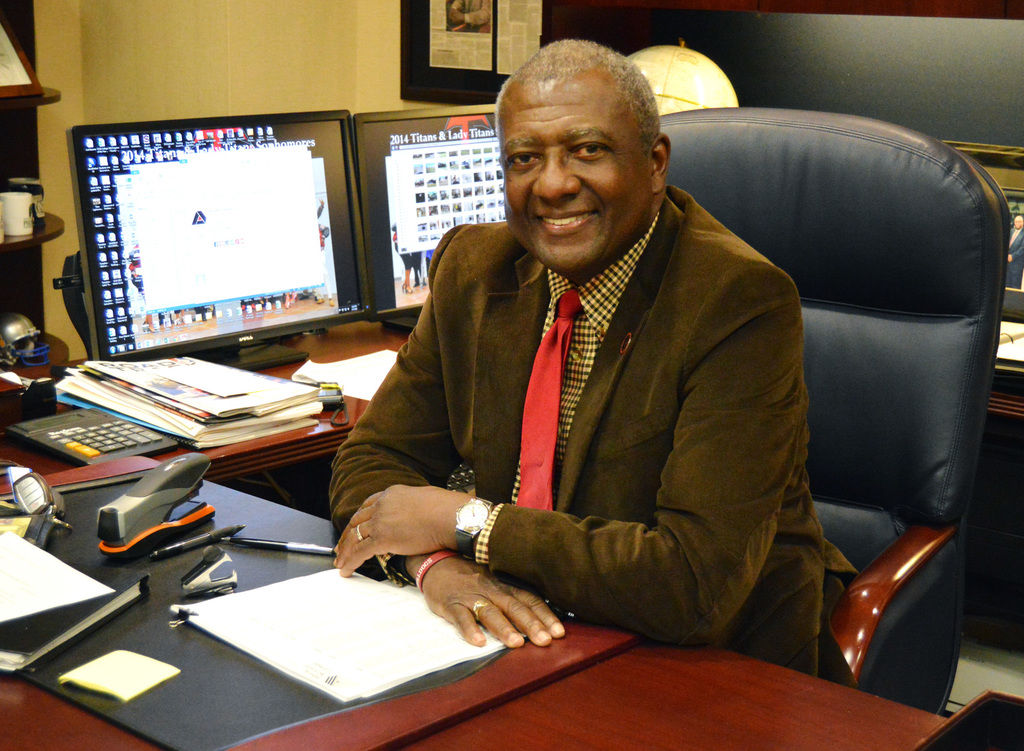
Albany City Commissioner Jon Howard said he believes area leadership is aware of the issues facing the community, especially in regard to poverty, and is making progress to reverse the trends.
“The data has been out there for a number of years,” Howard said. “What we have to do as a community, as elected officials, faith-based organizations and private partners is we have to work together. It’s a tough issue. We’re doing a lot, but not enough. The school system is doing something with this career academy, but what do you do with the individuals that are already here? I wish I had a quick answer, but it’ll probably be years, with the poverty level at 40 percent, before we can reduce it to say 20 percent.”
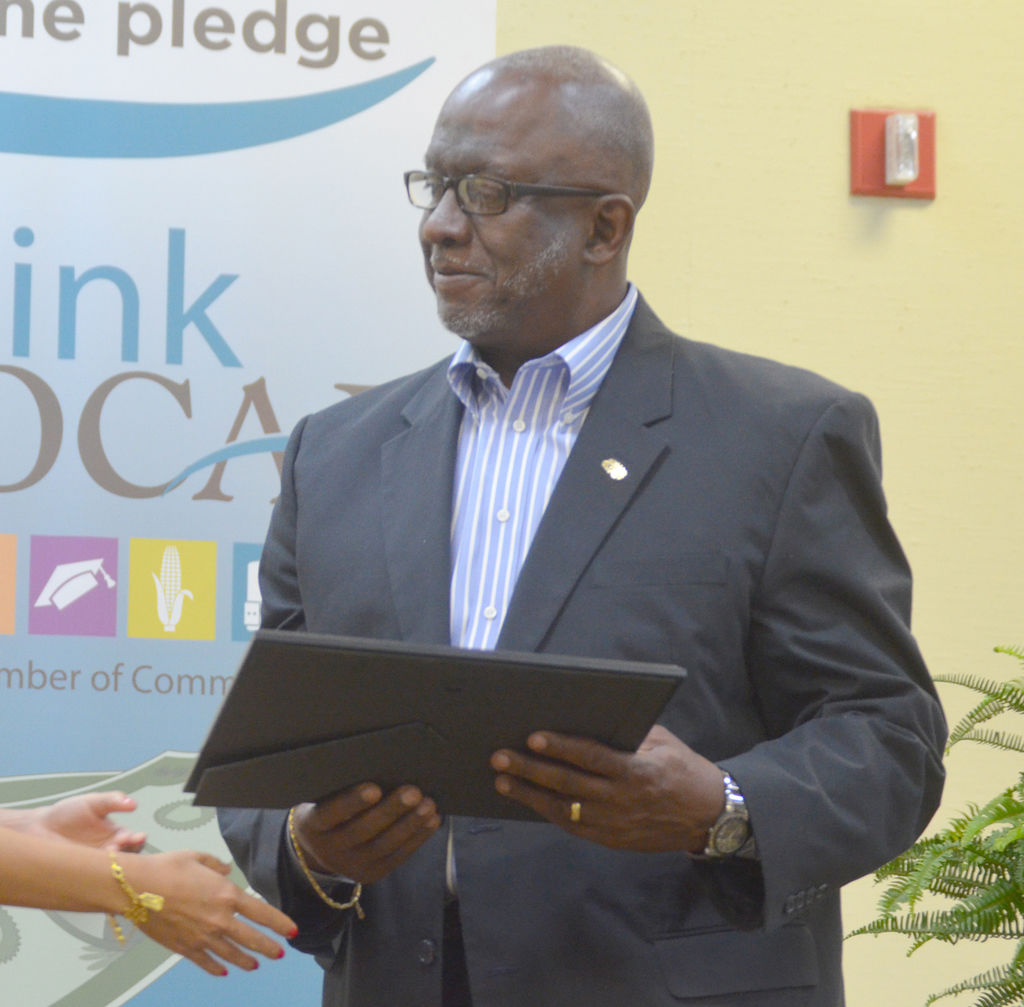
Several other community leaders agree that Albany has challenges that need to be dealt with, including Albany State University President Art Dunning.
“Albany and the Southwest Georgia region are at a pivotal point, and this ranking reflects what we all understand,” Dunning said. “Chancellor Hank Huckaby stated at the announcement of the Albany State University and Darton State College consolidation it is imperative that we address educational level, poverty rate and provide this area of the state with more access to higher education. We must provide the right educational programming to not only ensure good employment, but to meet the demand for economic growth in our region. This is a wake up call for our region.”
A bright future is something several community leaders believe is on the horizon, provided local leadership stays focused on the important issues raised by the 24/7 WallSt.com article.
For example, Albany City Commissioner Bobby Coleman, who admitted he had not seen the article, said he believes that, despite having its fair share of problems, like many other cities the community is on the right track.
“I can think of at least 60 cities off the top of my head that get a lot of good press that are way worse than Albany,” Coleman said. “I think we’re headed in a good direction. We do have poverty and we do have unemployment, but so do other cities. Give us two or three years, and we’ll be one of the most talked-about cities. At the end of the day, we all (community leaders) are committed to making Albany the best place it can be.”
Anthony Parker, president of Albany Technical College, said the community has made great strides, especially as it relates to education and attracting industry.
“I think Albany is a good place to live, or I would not have been here the past 21 years,” said Parker. “I think we are about to see a renaissance of manufacturing jobs here in Albany. We have the resources to solve these problems, and we are willing to work smart. Our public K-12 educational system is improving along with access to our institutions.”
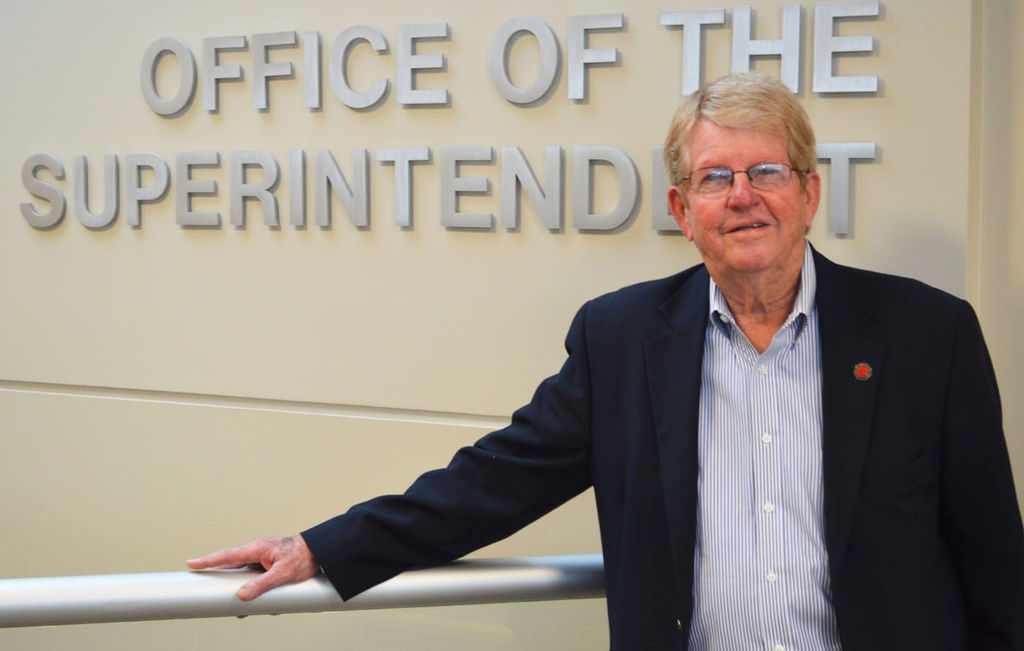
Mention of the improvements in K-12 education and access to higher education was also made by Dougherty County School System Superintendent David Mosley, who also honed in on the need for collaboration among community leaders.
“This is a prime example of why the city, county and school system need to support one another,” said Mosley. “We all need to work together to become better. We need to speak with one voice to promote a positive image of this city.”
Presenting a positive image was also on the mind of Albany-Dougherty EDC President Justin Strickland, who said it isn’t enough to take to social media and point out perceived problems or issues in the community without also mentioning the good things.
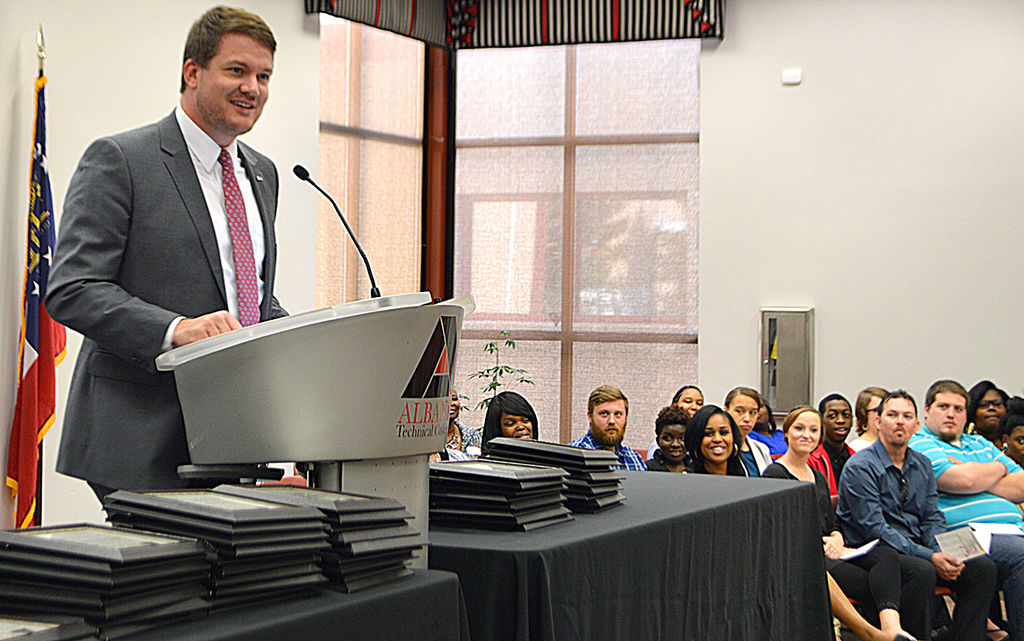
“I don’t think we’re different than any other communities in that we have concerns that need to be addressed,” Strickland said. “I don’t think (stories like this are) saying anything we haven’t heard before. I think some people do a good job of pointing out problems and make them more prevalent than they need to be and don’t talk about what we’re doing as a community to deal with those challenges head-on. It’s (also) hurtful when we frequently choose to post stories like this online and promote them regularly. We should be telling some of the good stories about our community.”
While the 50 worst cities list caused many in the community to look closely at the city and acknowledge some of the challenges presented, some area leaders also saw flaws in the list itself and pointed out it’s subjective nature.
“Every city has challenges, but you also have to consider the criteria when lists like this are published,” said Albany City Manager Sharon Subadan. “When cities like Palo Alto (number 49), where 80 percent of its residents have college degrees and the median home value is $1 million, is on such a list, well that shows the criteria used is the key factor.
“In reality, with these types of surveys, the people who are doing them are looking to make some kind of statement. Rankings like these are for readership and attention. I think it’s laughable that a city like Albany gets bunched in with some of the country’s largest metropolitan areas. Sure we have our issues that we’re addressing, but I do not feel bad about where we are in relation to other cities on this list. I can tell you I get up in the morning glad I’m living in Albany.”
Subadan is isn’t the only leader who is pleased to call Albany home.
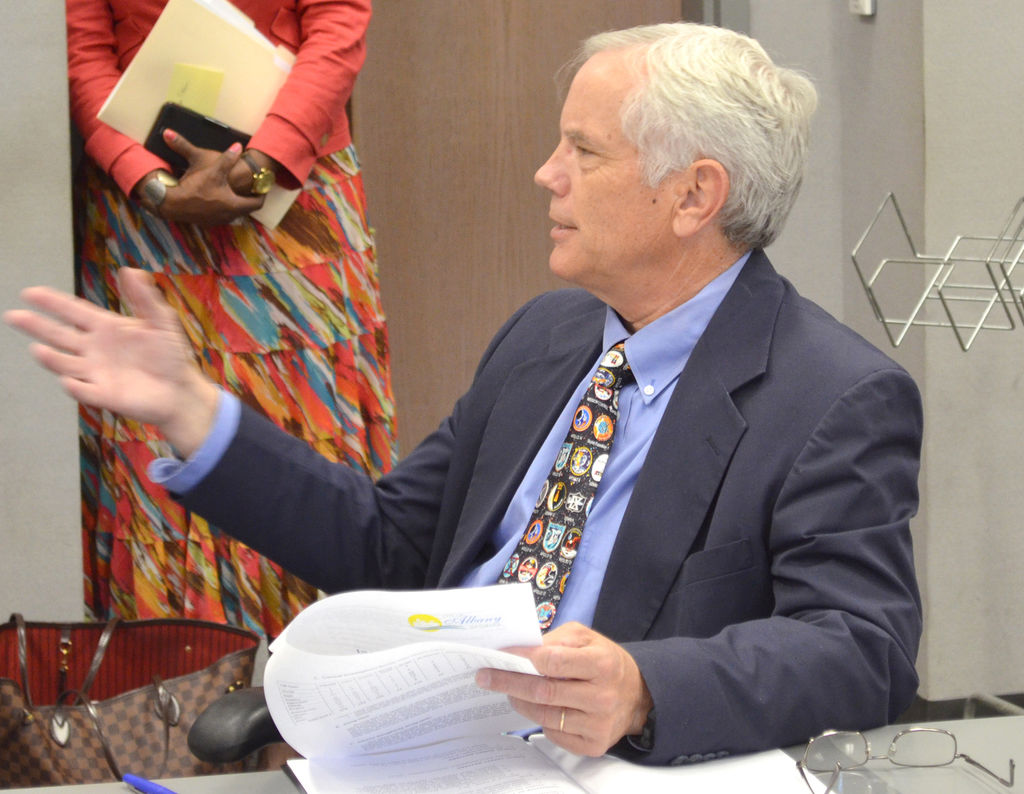
“That’s shocking to me,” said Albany City Commissioner Roger Marietta. “I love living in Albany. I just came from a GMA conference, and one of the speakers talked about the nine things that businesses look for when looking to move to a community. We’ve got strong arguments in all of them. When you look at the list, I feel like we’ve got strong suits in all these categories. We’ve got a lot of good things going on. We’ve got so many blessings. I refuse to believe that we’re in the worst category.”
Albany businessman Glenn Singfield also had praise for the Good Life City, saying that despite the need to see improvement in many areas, he could live anywhere in the country that he wants but chooses to be in Albany.
“Beauty is in the eye of the beholder,” Singfield said. “We’re not as bad as people think we are, but we’re also not as bad as WE think we are. I love Albany. I love the people.”
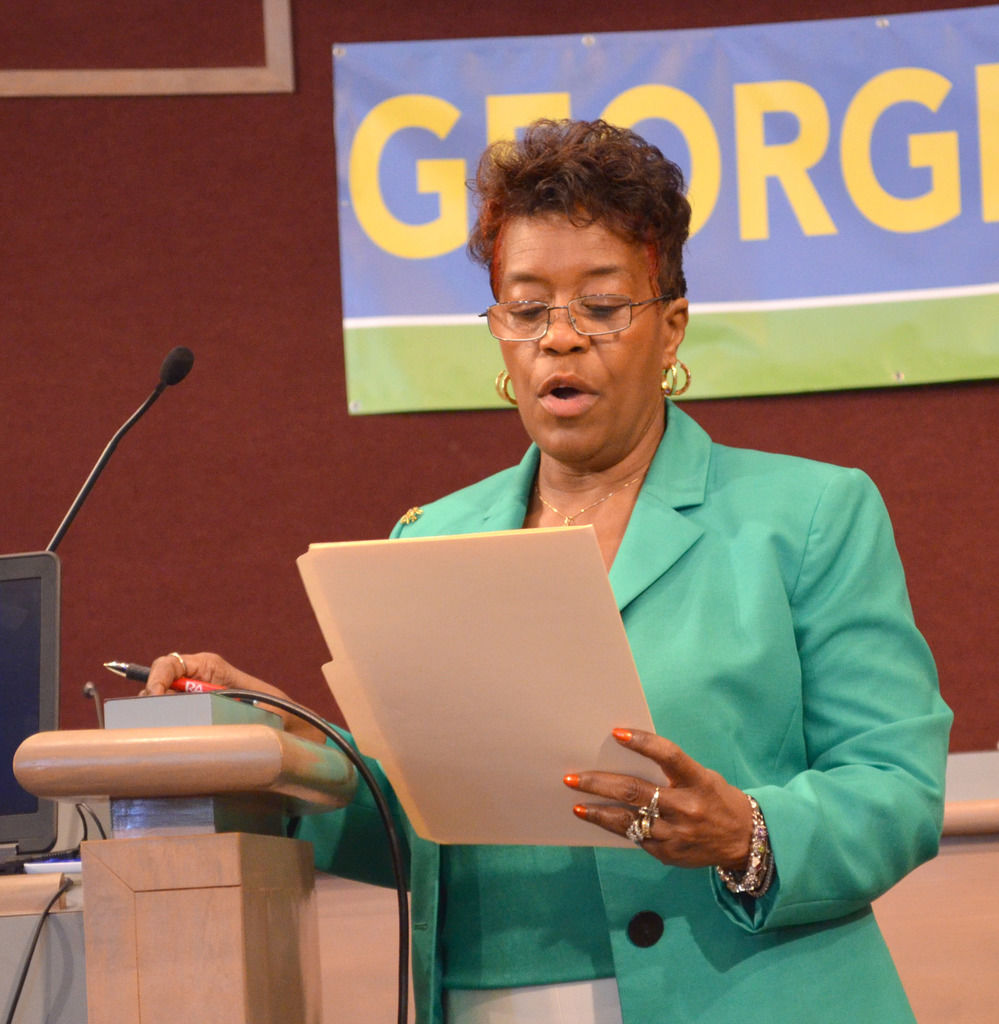
Albany Mayor Dorothy Hubbard, shared similar thoughts, saying that she felt Albany was a great place to live and that its collective leaders were working together to make it even better.
“We know what the problems are,” Hubbard said. “I don’t see that that makes us one of the worst communities to live in. When you have a problem and you’re working together to solve that problem, that’s what I think makes a community great. If we don’t know what the problems are, if we’re ignoring them, burying our heads in the sand, that would be different. I think if we continue to work together we’ll continue to improve. I love our community. I love this community with all my heart.”
The complete 50-worst-cities list can be found at http://247wallst.com/special-report/2016/06/28/the-worst-cities-to-live-in/, along with an explanation of the methodology used by the authors.


Related Articles

James Rubino installed in new role at Marine Corps Logistics Command in Albany
James L. Rubino recently assumed the role as executive deputy of Marine Corps Logistics Command in Albany. In his new role he will oversee integrated logistics support.

Rain depresses voter turnout in Dougherty County
“A lot of people don’t vote when it’s raining. People don’t do a lot of things when it’s raining.”
City of Albany faces shortfall for police, fire salaries
“We can’t tell staff to hire more police officers and then complain at what it costs.”
