
Albany Museum of Art director: We’re stronger than the storms
Paula Williams offers a museum update to Kiwanis Club

By David Shivers
ALBANY — The Albany Museum of Art is on the path to recovery following devastating January storms, but it is going to be a long haul, according to the institution’s chief officer.
Paula Williams, the AMA’s executive director, told the Kiwanis Club of Dougherty County Monday that she foresees eight months to a year before the museum is fully operational again following the Jan. 2 and 22 storms that pummeled the building on Gillionville Road. The Jan. 2 winds tore the roof off most of the building.
Williams said she sees “eight months in best-case scenario. I can’t imagine it will be back before a year. Eight months before the builders turn it back over to us, then we have to re-install collections” and exhibits. In the meantime the facility is closed to the public until further notice.
Williams’ own home was damaged in the first storm when a tree fell on it, but she was concerned about the museum.
“I called Darton security and asked them, ‘Can you take a ride over there?’ Because we had trees down, we couldn’t get out of the driveway or down the road,” she said. “I couldn’t get them to answer the phone. I finally got them to answer and they said, ‘You know, it doesn’t look too good over there.’ So I started walking, and one of my neighbors picked us up and took us over there.”
What she found upon arriving at the museum was a building she described as “trashed.” With the roof gone, rain had poured in, flooding the second floor and part of the first. She narrated a video display of photos that showed sections of ceiling lying atop desks, floors, computers and equipment. Several inches of water flooded both the second and first floors.
“Basically, our upstairs offices were completely trashed,” Williams said. And there was, of course, no electricity, which is necessary for humidity control to protect art works from damage.
The one area that escaped harm was the recently remodeled Willson Auditorium. Williams said she got on the phone and called her executive committee and told them “We’ve got a problem.” Within a short time, “They were there, and by noon we had all the artwork into the auditorium. We did have an emergency plan and we (had) talked about it pretty regularly, what are we going to do, where are we going to go?”
The museum’s fine-arts insurance company, AXA Art, responded almost immediately after being contacted. Their team of art handlers and conservationists from Chicago arrived on a flight to Albany at midnight Jan. 3, Williams said.
“We got to work at 7 a.m. the following morning,” she noted. “So we began to triage the collection to see where we were, how bad were the artworks and the acquisitions we had on loan.”
Miraculously, out of 3,000 pieces in AMA’s collection, plus 64 pieces on loan in the main gallery and another 60 pieces on exhibit, nothing was declared a loss.
“We didn’t lose anything,” Williams said. “I don’t know how that happened, but we didn’t lose anything in our collection.”
Some works that were undamaged were sent to the High Museum in Atlanta, which Williams said “graciously loaned space to store some of our artwork until we are able to reclaim it.” Some damaged works were sent to an art conservation center in Charlotte, N.C., for restoration. By Saturday of that week, everything was out of the building, Williams said.
Files and records that could be saved after drying out were taken to the Thronateeska Heritage Institute’s Archives Center, which is digitizing and storing the documents.
“Most of these files will not have to come back into the building,” said Williams said. “We won’t have to store them.”
While Williams described the insurance coverage as “great,” it will only replace things exactly as they were.
“If we change our roof in any way, that becomes our expense,” she said. “Some of our collections are going to be pretty hard to put back just as they were. That’s where we’re going to have to fill a gap.”
Williams noted the interactive children’s gallery “is one of the things that will be hardest to put back together again.”
While the museum’s immediate future may appear bleak, Williams said there are silver linings. An old donated painting the museum had not been able to afford to send out for conservation will now be restored.
“It looks like we’re down and out, but it’s given us an opportunity to do some outreach,” Williams said.
Off-site activities are still under way, such as a commercial art exhibition downtown and the “Lift Every Voice” concert, a collaborative effort with the Albany Civil Rights Institute on Thursday that was moved to ASU West (formerly Darton College).
“We’re still there, we will be back. We’re stronger than the storms,” Williams concluded.
Related Articles
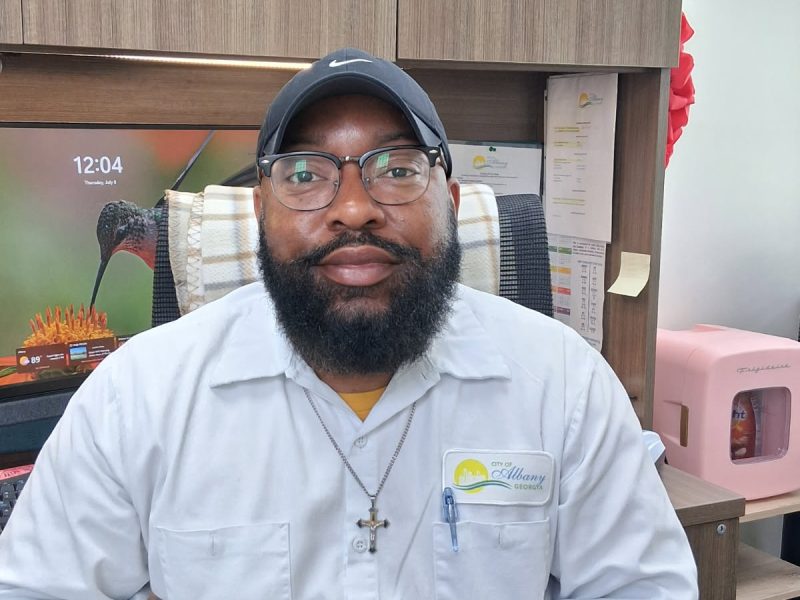
Small actions can help save big on utility bills
The high temperatures of July and August can bring scorching utility bills as air conditioners hum to keep houses cool. Albany Utilities Residential Conservation Auditor Willie Jackson offered some tips on making summer cooling bills more manageable.
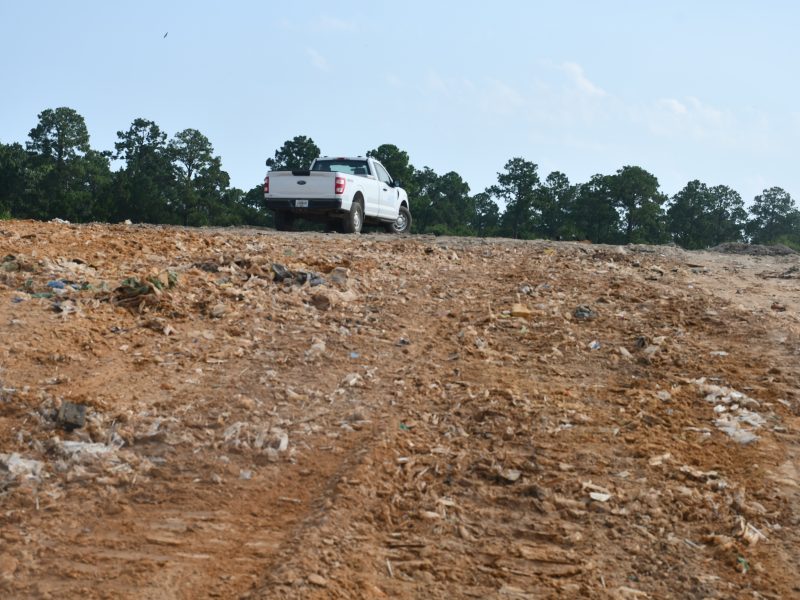
Bigger budget will mean improvements at Dougherty County’s landfill
“It’s certainly an opportunity where we can grow and make this very beneficial for years to the community. It’s a service that we provide for the community and I want to prolong that resource for the community. It’s not just fill it up and close it.”
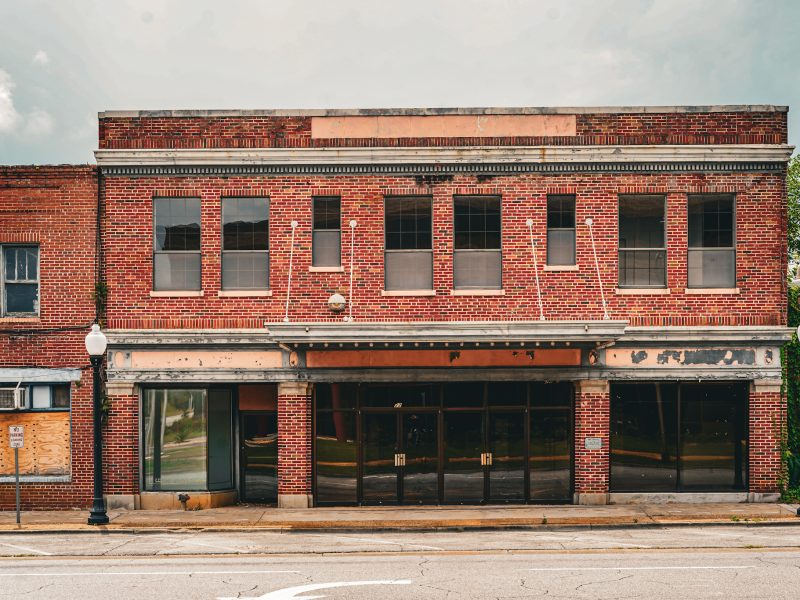
Putting on the Ritz: The rise, fall and renewal of Albany’s Harlem District
On July 7, the Albany City Commission unanimously approved final construction drawings for a comprehensive restoration of the Ritz Theatre and Cultural Center, clearing the way for the project to move into competitive bidding after years of planning and preservation efforts. The decision marks the latest chapter in a decades-long effort to preserve one of Southwest Georgia’s most significant African American landmarks.
