
Albany Pet Partners, a not-for-profit veterinary clinic, struggling to meet its mission
Albany Pet Partners provides low-cost pet care for owners of limited means
By Jennifer Parks
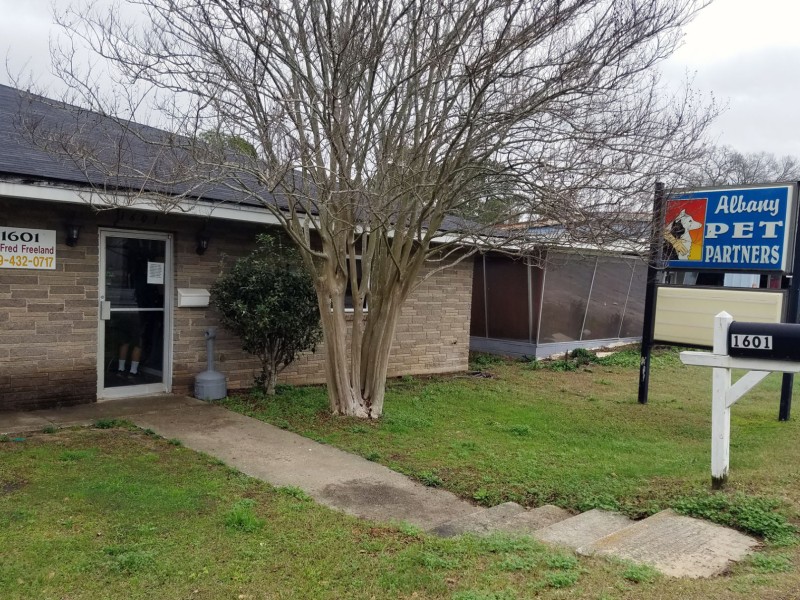
ALBANY — Dr. Fred Freeland, while passionate about his work, did little to mince words in describing how tough it is to operate Albany Pet Partners, a limited-service veterinary practice providing services to pet owners with limited means who may not be able afford to take their pets anywhere else.
The 65-year-old practice in East Albany is in a situation where it is hard for the staff of two people to purchase some of the supplies it needs, with Freeland sometimes going without a paycheck. His practice, which he acquired in 2000, is a not-for-profit that offers low-cost spaying and neutering services, along with basic preventative services, primarily for pet owners who meet a certain income eligibility.
It has often come at a great cost to the people operating the clinic. It’s reached the point where its future is in doubt.
“At the time (of the purchase), we had good financing,” Freeland said. “By 2008, not only did we have a Great Recession, it became clear that cash flow was going to be a problem. In 2008, we planned to close.”
A conference inspired Albany Pet Partners to seek 501(c)(3) status, which it achieved in 2010. It is “dedicated to providing basic preventive healthcare and care for sick/injured pets at affordable prices with special emphasis on serving income-qualified pet owners” while reducing shelter admissions through spaying and neutering and increasing return-to-owner through microchipping.
Many pet owners find themselves priced out of veterinary clinics as corporate consolidation of practices has taken hold. Some owners are being referred to the non-for-profit when they are turned away. What has been made apparent to Freeland is that there is a great need in Southwest Georgia for low-cost pet services, even the basics.
“There are a number of people who can’t afford pet care,” he said.
Since it is a not-for-profit, Freeland said pet owners have come to expect the practice to have lower prices. In reality, its status means that it can get some breaks on drugs — but not much. A non-for-profit veterinary clinic does not work the same way as a human non-for-profit hospital does, in that the human equivalent has to take a person in and there is a usually a method of payment somewhere.
“I have sent letters (to veterinary clinics) to explain, but some don’t get it,” he said.
Freeland said debt is accumulating for the practice and it is increasingly difficult to pay suppliers, as well as him and his lone staff member, when bills and payroll come due. The practice is about $10,000 behind in payments to its major supplier, so purchasing privileges have been suspended until it gets paid off.
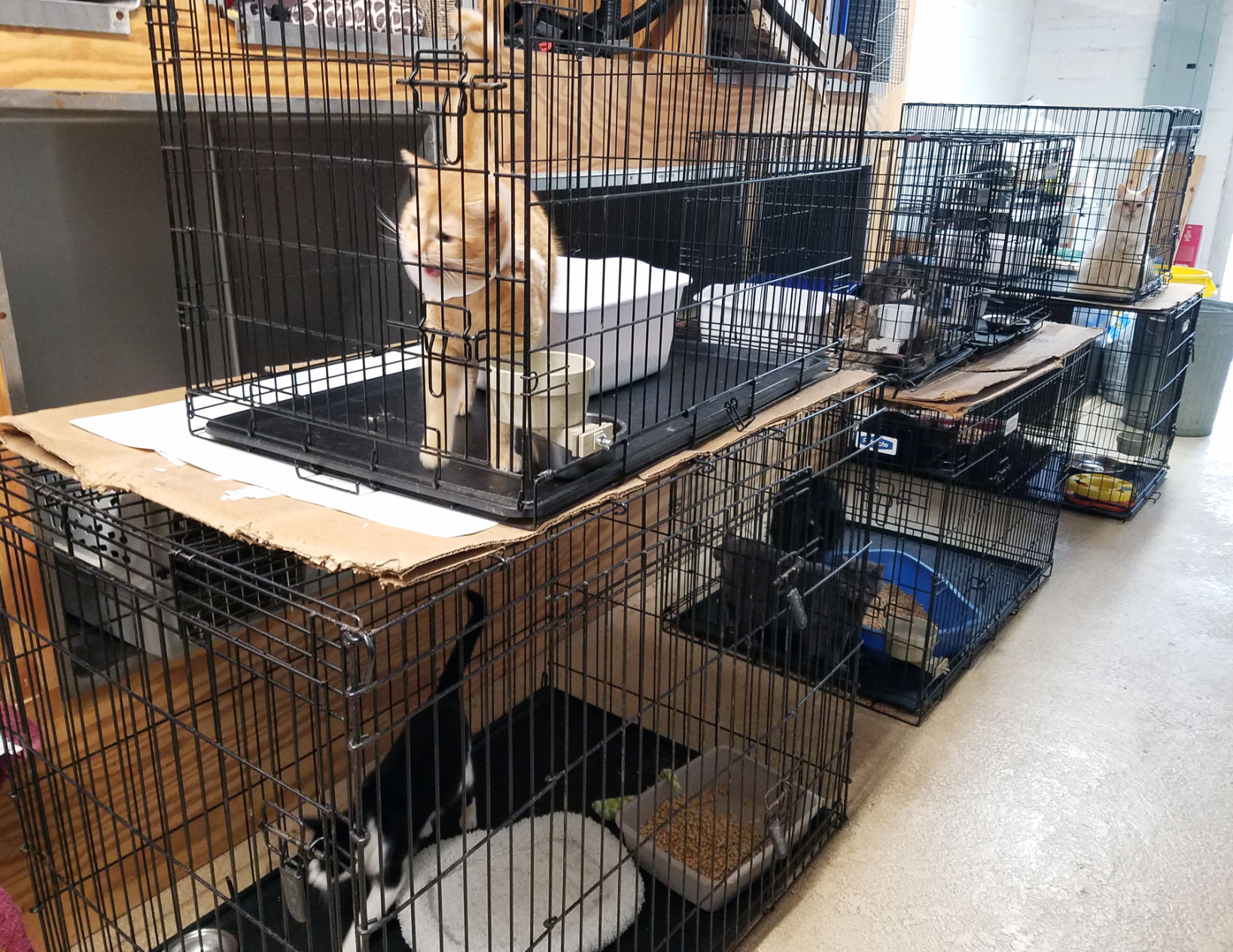
The practice accommodates as many as two dozen cats and six-eight dogs, some of which stay for months before they go into a permanent home. It is not taking in as many surrenders as it used to.
Inventory is so lean that many times a product is not in stock when clients want to buy — creating an embarrassing situation for the practice. When there is money in the bank, tough decisions have to be made on how the money is invested.
“Indebtedness has got us into trouble,” Freeland said. “There is $16,000 owed to suppliers. We have whittled it down to $8,000, but we are not allowed to buy. Our credit card debt is going up.”
A large percentage of unpaid accounts come from new-client after-hours emergencies and referrals from other veterinarians, resulting in more than $100,000 in uncompensated care since 2010 for the practice.
“That shocked me, because if I had that $100,000, I could pay off everything we have and have $20,000-30,000 left over,” Freeland said. “If a patient dies, they feel like they (pet owners) don’t have to pay (their bill) … I don’t expect everyone to like me, but I do expect everyone to pay their bill.”
Albany Pet Partners’ typical fees are low, sometimes 10-50 percent lower than other practices in Albany. Freeland said he has to serve two to three times as many pets to produce the same gross income as the others, but the number of pets for which the practice acts as a medical home is limited because of the low resources.
For its patients needing specialty services, the practice reaches out to counterparts as far away as Auburn, Ala., or Tallahassee, Fla., to get pet owners connected to the technology they need for a price they can afford.
Payroll and drug costs eat the majority of the practice’s resources, over 75 percent of the approximately $250,000 in gross income produced each year. Neither of these can be decreased, so there is no money to be saved. After 32 years as a veterinarian, Freeland is paid less than a new graduate in his field would be expected to earn, and sometimes he takes no pay at all.
Albany Pet Partners spays and neuters 250-500 feral, free-roaming cats each year at about 70 percent off regular fees, and maintenance costs on the 65-year-old building are mounting while Freeland is struggling to pay for repairs to his own home, which was damaged in the Jan. 22, 2017 tornado.
There are no benefits, paid time-off or retirement. He has gotten to the point of having to talk to bankruptcy attorneys.
“I earn a third of what I should be earning at this time in my career,” Freeland said.
Many not-for-profits have people dedicated to writing grant proposals, and knowing how grants are structured. The veterinary practice does not have that resource. Ultimately, the only thing that will keep the practice open is the ability to pay its bills.
“We just haven’t been able to find time and resources to do (grant writing),” Freeland said.
For more information on the practice’s fee schedules, services and how to help Albany Pet Partners financially, visit www.petpartnersalbany.com. The practice, located at 1601 E. Broad Ave., can be reached at (229) 432-0717.
Related Articles
Federal agency to investigate Monday paragliding fatality
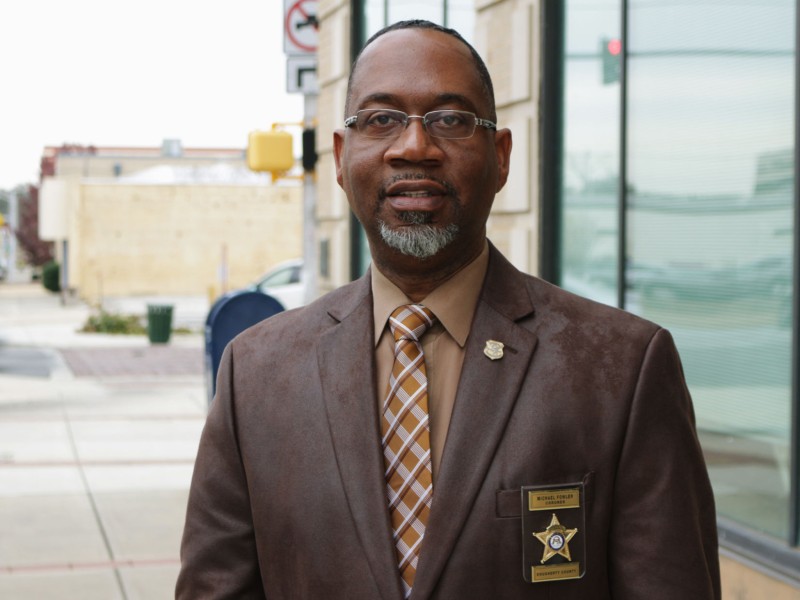
The death of a 63-year-old man who was killed in a paragliding accident on Monday is under investigation by the National Transportation Board, according to Dougherty County Coroner Michael Fowler.
Audit of police surveillance cameras results in arrests of five former APD officers
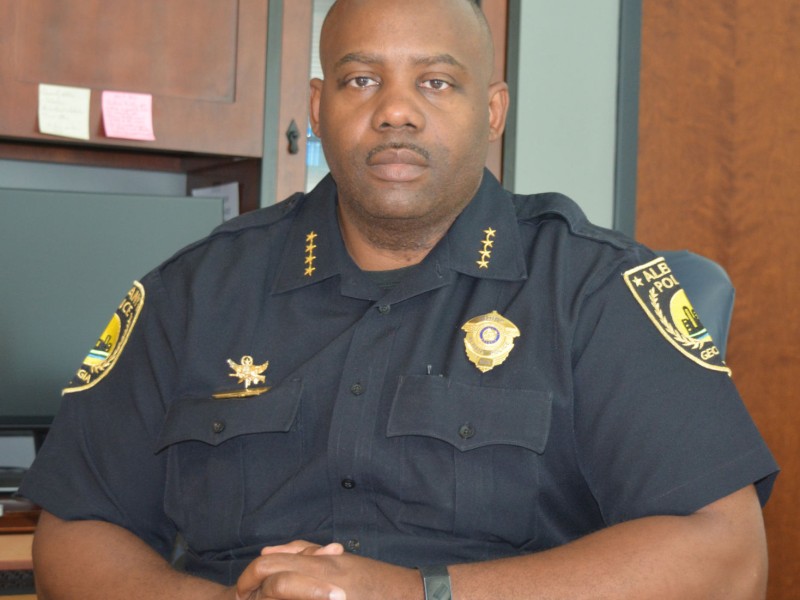
“The bottom line is when we find people who have misused resources that they have, we’re going to hold them accountable. These resources help fight crime, but we will not tolerate when they are misused.”
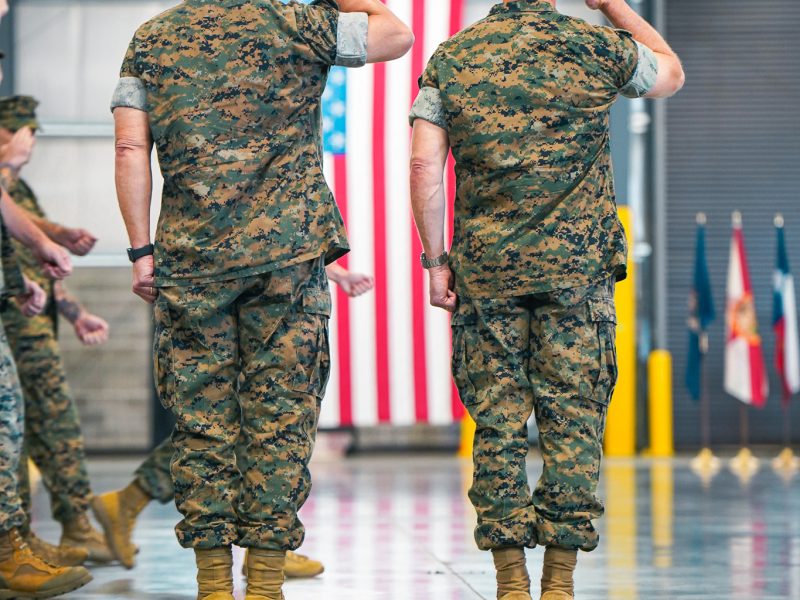
New commander takes helm as Marine Corps logistics adapts to evolving battlefield
Brig. Gen. Kevin G. Collins assumed command of Marine Corps Logistics Command during a change of command ceremony at Marine Corps Logistics Base Albany, succeeding Maj. Gen. Keith D. Reventlow after four years leading the organization responsible for sustaining Marine forces around the globe.
