
Albany State University President Art Dunning makes case for ASU-Darton merger
ASU president says Regents’ consolidation decision is based on shrinking enrollment
By Carlton Fletcher
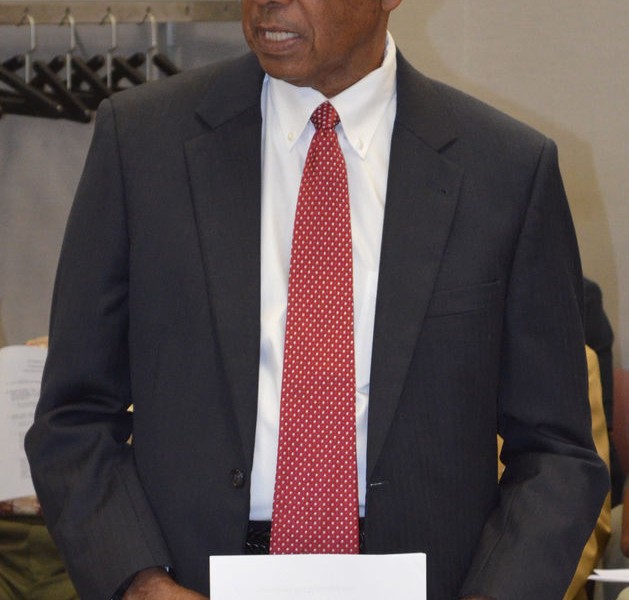
ALBANY — Albany State University President Art Dunning told Dougherty County commissioners Monday that one of the university’s primary goals when it completes its merger with Darton State College early next year is to “help everybody find their place.”
Dunning, who is facilitating the University System of Georgia Board of Regents’ seventh merger of institutions, said the reason for the joining of the two schools was primarily because of economics.
“In the last five years, Albany State has seen a 25 percent decrease in enrollment,” Dunning told the commission. “In that same period, Darton’s enrollment has fallen 10 percent. When enrollment goes down, the budget goes down.”
During a question-and-answer session with commissioners, Dunning said a recent reduction in force at the university was a necessity.
“The Regents looked at the numbers and, based on the measures of the system, we were overstaffed,” the ASU president said. “We eliminated 80 positions, 48 of which had people in them. We had to (make the personnel cuts) to get our staffing in line with our dollars.”
Dunning encouraged the government leaders and the community to get behind the merger.
“Since this process was announced, I’ve heard so many comments, much of it simply rumor,” he said. “But these young people who will help make Albany State the largest university in Southwest Georgia are vital to the community from an economic development standpoint. First of all, they are consumers. They are going to spend money in the community. And, secondly, they are our next generation of leaders.
“People who want to help Albany State as we get ready for the merger can do so by contributing to the university and by helping us recruit, retain and graduate our students. We have to be intense in the recruitment game, because the competition for students is fierce.”
Asked by Commissioner Clinton Johnson if Albany qualifies as a “college town,” Dunning replied, “We are a college town by the institutions that are here, but, culturally, we are not at this time.”
Also at Monday’s work meeting, commissioners were asked to consider:
— A recommendation to replace a motorgrader for Solid Waste based on a $269,617 low bid by Yancey Bros. of Albany;
— The purchase of a Nissan Pathfinder for Solid Waste ($28,202 bid from Reed Nissan of Clermont, Fla.), a Nissan 4-by-4 for Solid Waste ($25,253 from Reed Nissan), a Ford F-750 herbicide truck for Public Works ($134,872 from Wade Ford of Smyrna), and three Ford Cargo vans for Facilities Management ($84,774 from Wade Ford);
— Approving a resolution authorizing the Southwest Georgia Regional Commission to renew its application for a public transportation grant in the county.
County Administrator Richard Crowdis said the Regional Commission grant would come “at no cost to the county.”
Planning Services Director Paul Forgey talked with the board about the city/county comprehensive plan and how it applies to the various segments of the county. After a question/answer session, the commission agreed unanimously to ask Forgey to make a presentation on issues raised during the discussion.
The board also heard from Crowdis and Public Works Director Larry Cook on a proposal to start a “systematic” improvement plan for 25 alleys located in the unincorporated area of the county. Crowdis said the alleys encompass 6.3 miles.
A proposal prepared by Crowdis and Public Works staff shows that paving all 25 alleys would cost slightly less than $5 million. Using crushed asphalt — a option utilized by the city of Albany in some cases — would cost significantly less, around $231,000.
Cook said that the decision on the type of materials to use would be made by the county.
“There are times when you promise champagne and can’t deliver, but there are times when it’s appropriate to deliver the champagne,” District 6 Commissioner Anthony Jones said. “I’d hate to see us do this in a substandard fashion.”
Crowdis said he would like the commission take a systematic approach to the alley improvements, much as it does other types of projects.
“I propose that we approach improving the alleys like we do street repaving, railroad crossings and street lighting,” Crowdis said. “The first step would be to have Public Works prioritize the alley repairs so that we can approach it systematically.”
Cook asked the board to stay away from taking resurfacing funds to improve the alleys.
“When looking for funding sources (for the alley improvements), let’s not use the resurfacing funding,” the Public Works director said. “We’re already coming up short in that area every year.”
Author

Related Articles
Georgia’s school funding formula still ignores poverty; educators say students pay the price
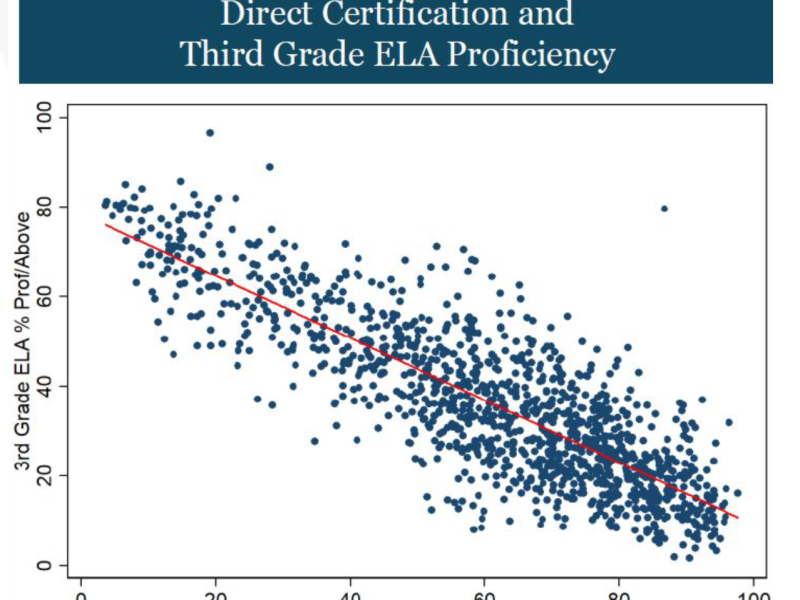
During a report to the board on the outcomes of this year’s legislative session, Dyer discussed the district’s efforts to persuade lawmakers to add an “opportunity weight” to Georgia’s Quality Basic Education (QBE) funding formula — a change supporters say would provide additional state funding for students living in poverty.
Red light violations will bring citations at a dozen Albany intersections
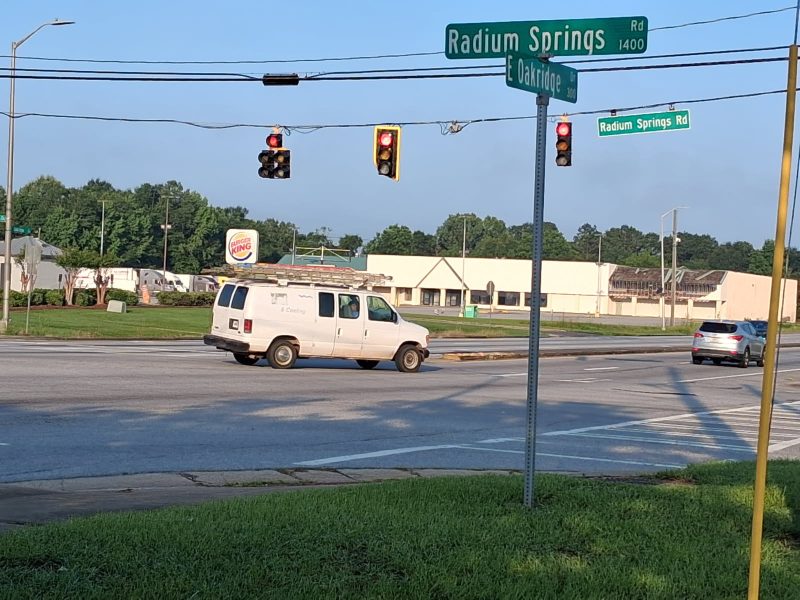
“That was always the goal of the school zone cameras, to change the behavior. It’s the same with the red lights, we want to change the behavior. When you see a yellow light, you need to slow down and prepare to stop.”
Dougherty Commission considers $104 million budget for 2026-2027 budget year
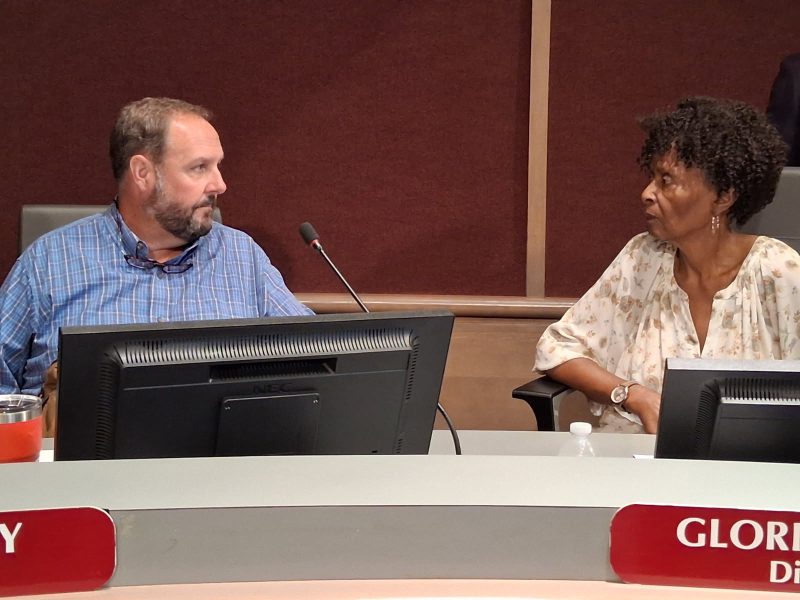
“The other side of the coin is you could have higher revenues than projected. We’re very conservative in budgeting revenues. That also reduces the need to use fund balance”
