
Albany Utility Board recommends rate increases
City manager calls for water, gas, light, solid waste, sewer rate increases
By Carlton Fletcher
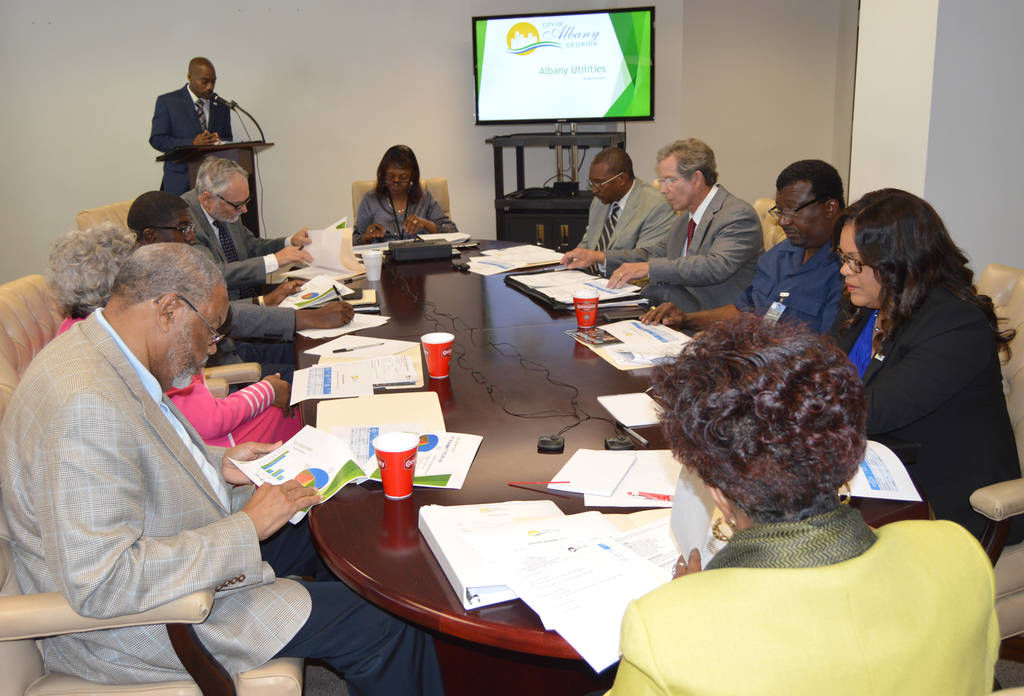
ALBANY — The Albany Utility Board, after listening to city staff’s case for across-the-board utility rate increases, voted 3-2 Tuesday morning at a special called meeting to recommend that the rates be approved by the Albany City Commission.
The City Commission will consider the recommended proposal at its May 9 meeting.
Declaring that the city government, and particularly its utilities authority, had “taken cutting back to the limit,” City Manager Sharon Subadan asked the Albany Utility Board to approve rate increases for its water, gas, light, solid waste and sewer customers.
“Since I’ve been here and before, we’ve stretched the ‘do more with less’ concept about as far as we can,” Subadan said. “We’ve cut expenses and increased revenue pretty successfully. But we’ve trimmed expenditures as much as we can.
“We’ve increased our market share and expanded our services into unserved and underserved areas, even while we were holding off on replacing aging equipment and making necessary improvements to our infrastructure. Now we’ve reached the point of diminishing returns, where it’s costing us more to repair our equipment or we’re having to delay service because our equipment is being repaired.”
Subadan’s proposal calls for a Consumer Price Index (CPI) increase for water, gas and solid waste customers, a CPI plus 5 percent increase for sewer rates and CPI plus 3 percent for light customers.
“What that will mean for the average customer is an increase of $7.68 per month,” the city manager said. “The breakdown for those costs is $4.57 for electricity, 24 cents for gas, 49 cents for water, 66 cents for solid waste and $1.72 for sewer.
“We took a thorough look at our expenses, but when four of your utilities are budgeted to lose money, we felt that we had to come up with a proposal that’s necessary for the utility to function. Nobody’s satisfied with keeping rates so low that you end up with a defunct utility.”
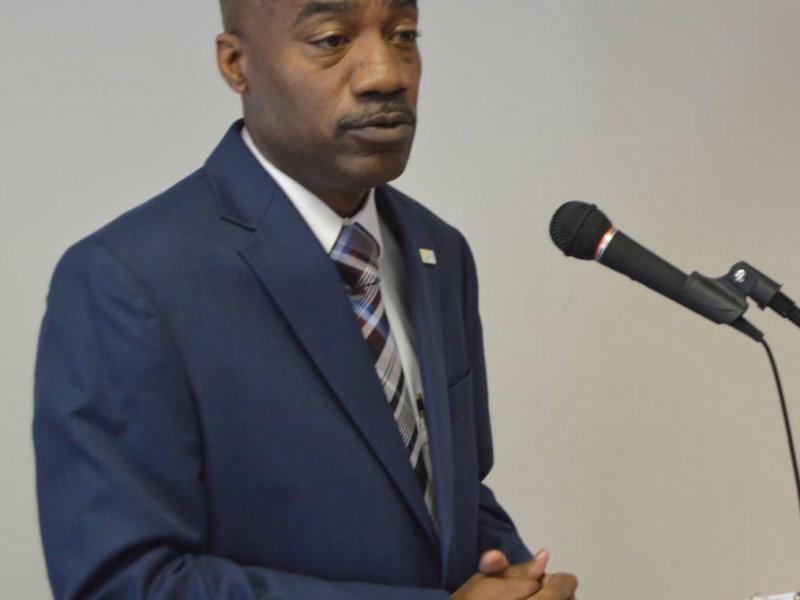
Finance Director Derrick Brown told the board that four of the city’s six utilities enterprise funds would operate in the red at the end of the current fiscal year. With the proposed rate changes in place, Brown said, “We would flip all but one of those funds (storm water, which has some $6.5 million in debt service) into the black.”
From questions by board members at the meeting, it soon became apparent that the vote would be split.
“If we need to avoid trouble in the future, I really don’t have a problem with making this decision now,” board member the Rev. Sam Sneed said.
Bob Hutchinson added, “As part of the Budget Committee, I’ve worked closely with Derrick and his group, and I know they’ve cut everything they can. The city is in a position where it can do one of two things: raise (utility) rates or raise property taxes. I strongly recommend that we send a recommendation across the street (to the City Commission) that they approve this matter.”
Board member the Rev. Gary Sanders said, “I understand that there is a need for the city, but there is a need for customers as well. My primary concern is that 10-12 percent senior community. How will this impact them?”
Added Judith Corbett: “I see the numbers, and I have to ask what we have done internally to cut costs. It doesn’t feel right to me to do this now.”
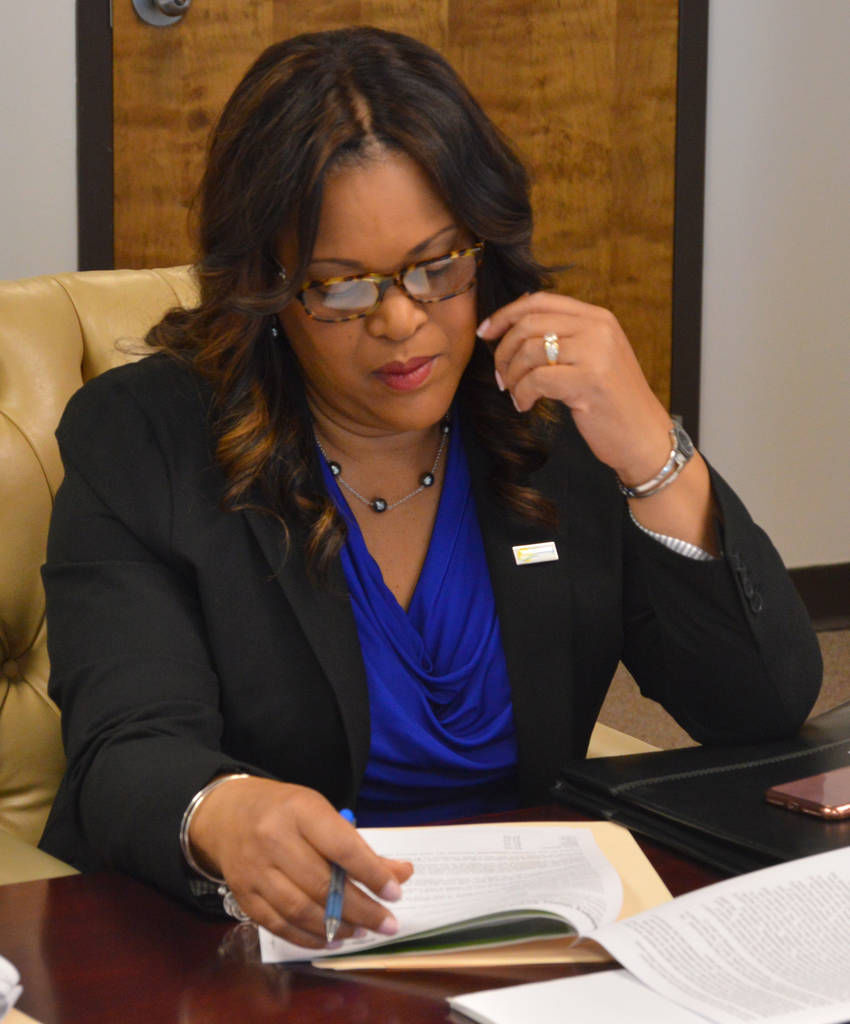
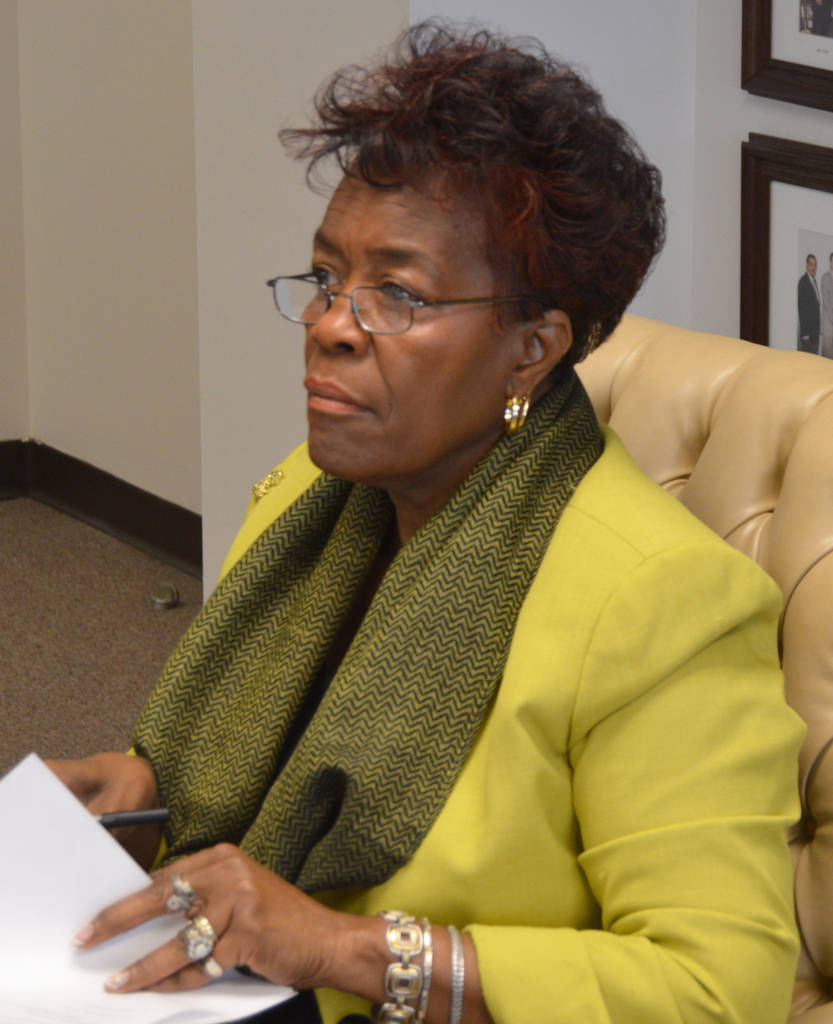
Sanders and Corbett voted against the proposal, which was supported by Sneed, Hutchinson and Mayor Dorothy Hubbard, who chairs the board.
Subadan noted that 27 percent of the city’s operating capital comes from utilities transfers, compared to 22 percent from property taxes. She said that while the city’s school system collects 45 percent of taxes in the community and the county 31 percent, the city receives 24 percent of taxes collected.
“One of the primary purposes of a city-owned utility is to transfer money to its general fund to support police, fire, parks, administrative costs and to finance personnel across the board,” Subadan said. “But for that 27 percent (in funding) from utilities, we’d have to cut one of every three police officers on our force.
“And, believe me, we’re making cuts everywhere. When I came here, there were 40 management-level salaries in WG&L and the city. Now, there are 30, and we’re doing the same work. What’s happening, though, is everyone is doing at least two jobs.”
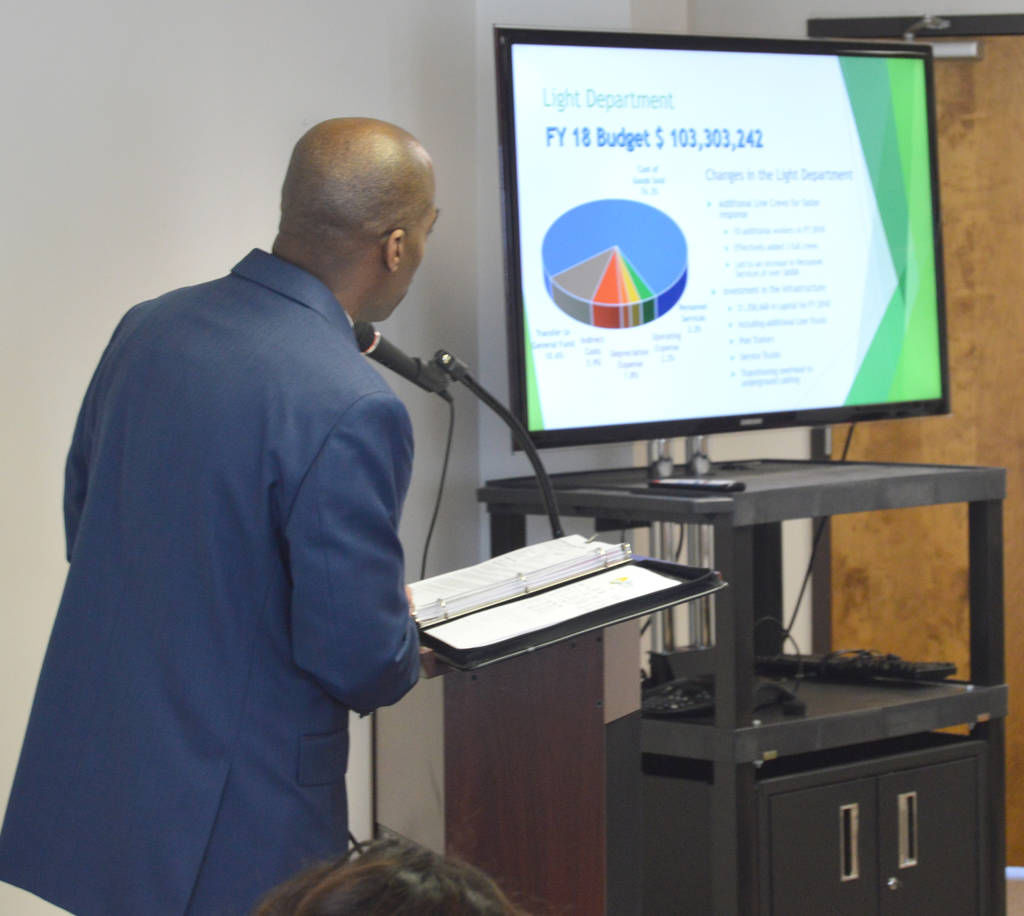
Subadan said the additional funding will be used to increase personnel and to improve aging infrastructure. Assistant City Manager Phil Roberson said 10 linemen would be added to staff if the proposal is approved by the City Commission.
“We’re looking at adding 10 line workers,” Roberson told the board. “Before we started making cuts in personnel, we had seven crews. Now we have three. (Adding new personnel) will allow us to do a lot of maintenance work that we need to do, and it will improve our response time in emergencies.”
Subadan said proposed improvements include placing infrastructure underground.
“I was pleased with the effort of our crews during the (January) storms, but that situation highlights areas we need to give attention to,” she said. “The pendulum (of cutting expenses by not purchasing needed equipment) has swung too far. We need to increase our capacity to do needed utilities work internally, although we’ll always count on mutual aid agreements with our (MEAG) partners in emergency situations.
“And when the skies are blue, our crews will start work on moving our infrastructure underground. We’ll start that process in critical areas like around the hospital, but its something we need to do citywide.”
City Commissioner B.J. Fletcher, who attended the meeting, asked the Utility Board to “pass this issue on to us so that we can do what’s right for the taxpayers.”
“I heard Miss Judith talk about the timing of this issue, but I’m coming up on the end of my first four-year term in office, and it’s come before the (City Commission) twice before but was kicked down the road because of politics,” the Ward III commissioner said. “I ask you today: Let’s work together on this.”
Subadan said that, even with additional utilities costs built into the city’s Fiscal Year 2018 budget, that spending plan will still be lower than the current budget. And, she noted, there is no plan for a millage rate increase.
“As city manager, as CEO of this enterprise, it is my responsibility to put together what’s necessary to function successfully,” Subadan said. “We’ve lived up to our part of trimming the fat. But we can’t continue to operate in this manner.
“I know this is a challenge for our commissioners during an election year, but I can’t be concerned with politics. I have to do what’s best for the business of the city. And, I want to point out, that even with the increases pretty much across the board, our rates will still be lower than Georgia Power’s.”
Author

Related Articles

Dougherty Jail graduates first class of female GED recipients
“It was an escape. I can say this has been challenging. I want to express my gratitude for being able to attend this program.”

From cotton to cloud: In the data center debate, is rural Georgia once again being asked to carry the cost?
Across much of rural Georgia, the abandoned cotton warehouses and shrinking tax bases remain — enduring reminders that industries built to serve distant markets do not necessarily stay rooted in the communities that first sustained them.
Dawson Council approves $400,000 lifeline in emergency meeting as financial accountability remains elusive
Less than a week after city officials publicly acknowledged the City of Dawson cannot continue operating without additional financing, the Dawson City Council convened a hastily called emergency meeting Tuesday evening and unanimously approved authority to borrow up to $400,000 through a tax anticipation note.
