
Anchorage director: Substance abuse facility relies on community
Anchorage gets no outside funding in caring for men with addictions
By David Shivers
Special to The Herald
ALBANY — The Anchorage has been providing second, even third, chances for men with substance abuse issues in the Albany area for well over 60 years. Started as a resource for alcohol abusers in the early 1950s, drug addiction is now included in its treatment program as well.
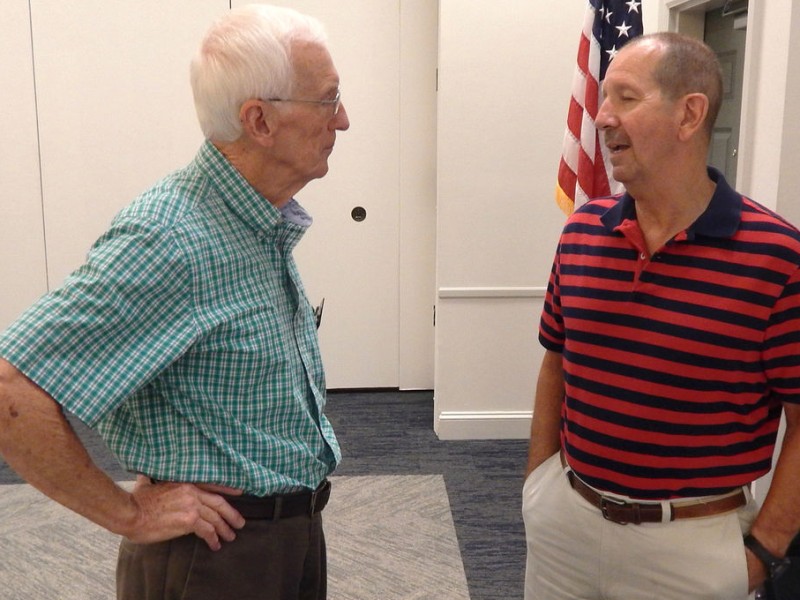
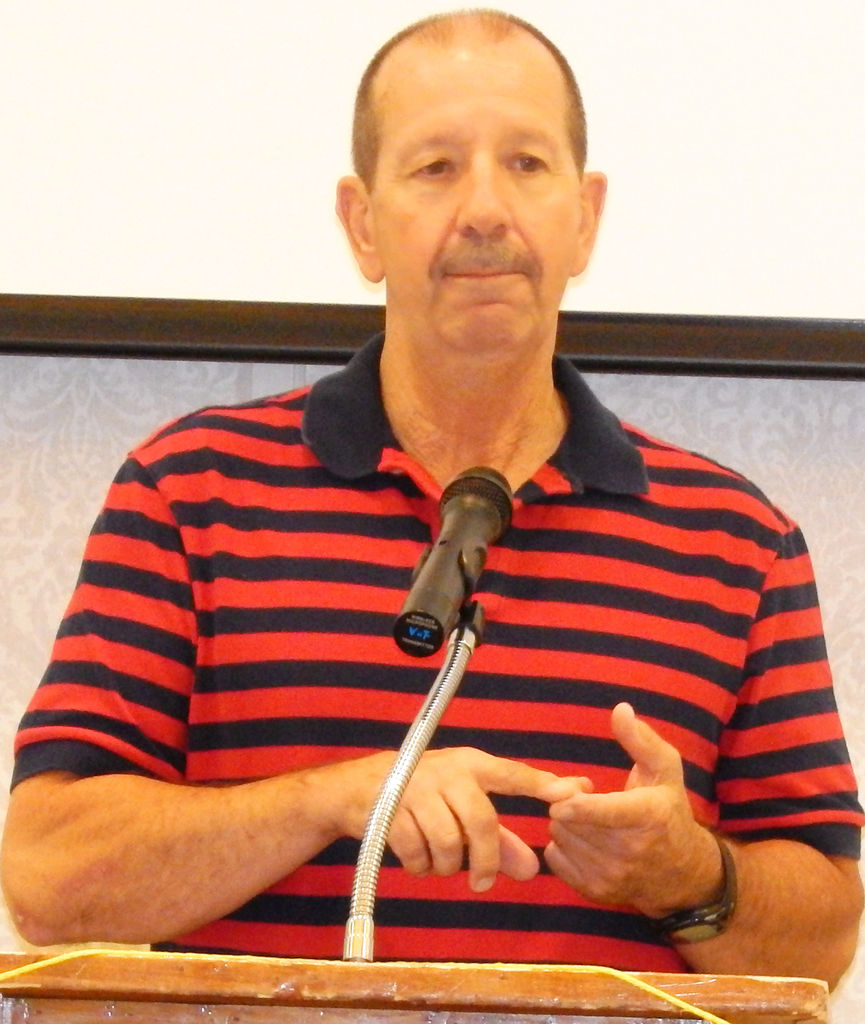
Executive director Bob Lynch told the Kiwanis Club of Dougherty County on June 13 that the facility’s focus is to help men “develop a new relationship with Jesus Christ. That is the foundation for everything we do.”
“It’s probably not going to be the last bump in the road they go over, and they need the strength and power of God to make tough decisions and serious changes in their lives,” Lynch said.
Prospective Anchorage clients must take certain steps and meet admission requirements, which can be found at the facility’s website, www.anchorageofalbany.org. Once admitted, they enter Phase I of the program, which lasts 120 days and has its own strict requirements, such as no visits for the first 30 days and no radios, cellphones or phone calls. Program components include Bible study, counseling, 12-Step classes and daily assigned work duty.
Once Phase I is successfully completed, the clinical director approves entry into Phase II, or aftercare, which builds on the successes of Phase I. During Phase II, phone calls, visits and weekend passes are allowed, but clients must attend a required number of 12-Step, AA or Narcotics Anonymous meetings during a week, attend chapel services, obtain an AA or NA sponsor, and find regular employment in the area.
Lynch cited community support as a big factor in The Anchorage’s success.
“The thing that has come to amaze me is the community here. We couldn’t do what we do without the community,” he said. “Our budget is lean; we do everything we can to keep it lean, to keep everything you give us well-focused on meeting the needs of our (clients). I would say probably 98 percent of the budget comes from within a 25-mile radius – Albany, Lee County, this area right here. We get no federal money, no state money. It is purely churches, individuals and foundations.”
The Anchorage gets more food donations than it can generally handle, according to Lynch.
“We’ve had food donated to us to the point that we’ve had to develop a donation list,” he said. “We can’t use it all, and we can’t store it all. We call a number of institutions here in town that are feeding children after school or social service agencies to help them provide for the community. I tell people, if you send something to The Anchorage, we don’t throw it away. If we can’t use it, we’ll find somebody that can use it. We take care of the donations we get.”
In addition to funding and sustenance, said Lynch, other things provided by the community are support, jobs and encouragement.
A recent visit to The Anchorage by some community officials included a judge, said Lynch, who said, “’One of the problems I’m faced with is, unless I’ve got resources like The Anchorage, I have to send them to jail, but that is not treatment. They get dried out and sober. They go through the system and get back out and go back to drinking again. It’s a circle, a vicious circle.’”
Lynch estimated that possibly “15 percent of the guys we see, we will see again. Depending on where they are and how open they are to God working in their lives determines the choices they make. If a guy comes out and he’s not willing to make some tough decisions, some tough changes, then he goes out, he gets desperate, and he comes back.” They often return to the people and environment that got them in trouble initially, and it is hard to maintain sobriety without family support and regular counseling.
In its 60-plus years, The Anchorage has served more than 14,000 men, according to its website.
Anyone who has problems with substance abuse or knows of someone who needs help is urged to contact The Anchorage at www.anchorageofalbany.org or call for information at (229) 435-9692.
Related Articles
Small actions can help save big on utility bills
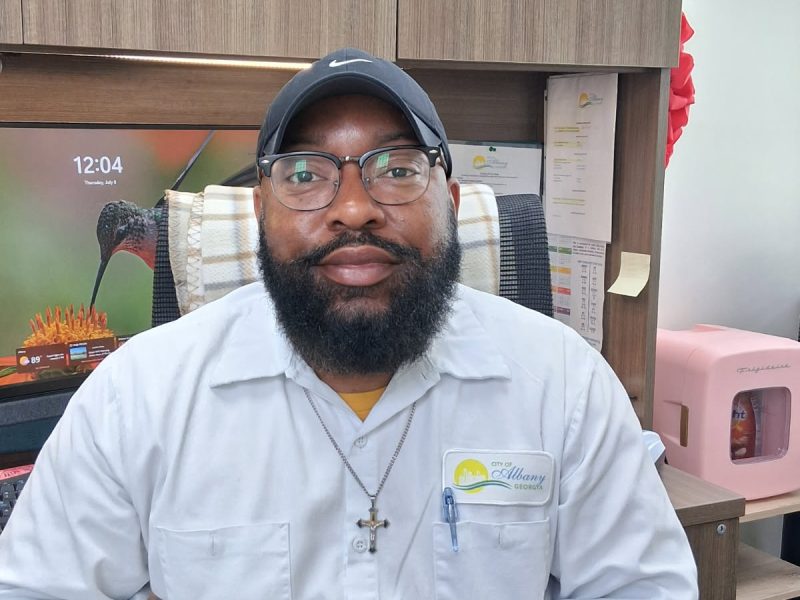
The high temperatures of July and August can bring scorching utility bills as air conditioners hum to keep houses cool. Albany Utilities Residential Conservation Auditor Willie Jackson offered some tips on making summer cooling bills more manageable.

Bigger budget will mean improvements at Dougherty County’s landfill
“It’s certainly an opportunity where we can grow and make this very beneficial for years to the community. It’s a service that we provide for the community and I want to prolong that resource for the community. It’s not just fill it up and close it.”
Putting on the Ritz: The rise, fall and renewal of Albany’s Harlem District
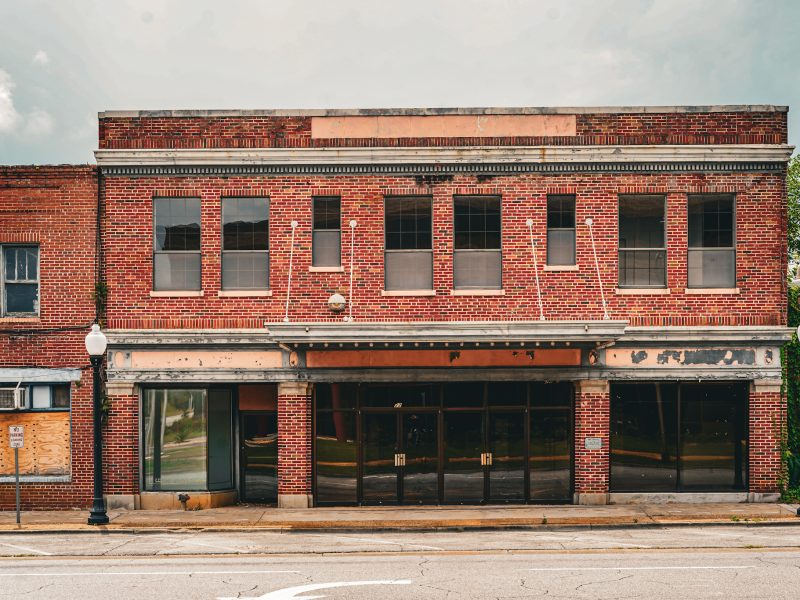
On July 7, the Albany City Commission unanimously approved final construction drawings for a comprehensive restoration of the Ritz Theatre and Cultural Center, clearing the way for the project to move into competitive bidding after years of planning and preservation efforts. The decision marks the latest chapter in a decades-long effort to preserve one of Southwest Georgia’s most significant African American landmarks.
