
BARRY LEVINE: Showers — April and otherwise — inspire hit songs
THE OLD ROCKER: As spring kicks off, it is welcomed by rain songs
By Barry Levine
Look out your window and don’t be surprised if you see showers. After all, this is April.
It’s one of the more interesting months on the calendar. Flowers are in full bloom. … The Major League Baseball season is beginning. … March Madness just concluded. … The NBA and NHL playoffs start. … NFL teams are concentrating on the draft. … Wrestlemania will grab headlines. … The Masters, golf’s most prestigious event, will draw thousands to Augusta. … The temps are beginning to get warmer without the intense summer humidity. … Easter and Passover holidays are observed.
The month has been honored by the well-known song “April Showers” that was written by Louis Silvers with lyrics by B. G. De Sylv and was published in 1921.
The tune was introduced in the 1921 Broadway musical “Bombo,” in which the legendary Al Jolson performed it. And it quickly became a Jolson trademark. It has been recorded by everyone from Bing Crosby to Frank Sinatra to Jackie Wilson.
With the calendar approaching the middle of April, “April Showers” could be a big reason there have been so many successful tunes about rain. Here are some of the “rain” songs listed in chronological order.
“Raindrops” – The 1961 song was R&B singer Dee Clark’s biggest hit. It peaked at No. 2 on the Hot 100 and No. 3 on the R&B chart. The million-seller was his only Top 20 hit.
“Crying in the Rain” – One of 13 Top 10 hits by the Everly Brothers, the song was written by Howard Greenfield and Carole King, and it peaked at No. 6 in in 1962. This marked the only time popular songwriters Greenfield and King collaborated.
“Rhythm of the Rain” – Written by The Cascades’ John Claude Gummoe, this mournful ballad of a rhythmic rainfall reminds a brokenhearted man of his lost love. “Rhythm of the Rain” peaked at No. 3 in 1963 and was the group’s only Top 100 song.
“I Wish It Would Rain” – The Temptations’ lead singer David Ruffin was at his best on this 1968 song that peaked at No. 4. Ruffin told the story of a heartbroken man who wanted to hide his sorrow. His woman has just left him, and he wished that it would start raining to hide the tears falling down his face. Thirty-seven of the group’s songs charted with four reaching No. 1.
“Summer Rain” – Johnny Rivers had the biggest hit with his 1968 version of this song that reached No. 10. James Hendricks wrote the tune that was on Rivers’ 1968 album “Realization.” This was one of Rivers’ 10 Top 10 hits. “Summer Rain” is a song about lifelong love during “the summer of love.”
“Raindrops Keep Fallin’ on My Head” – The tune was written by Hal David and Burt Bacharach for the 1969 film “Butch Cassidy and the Sundance Kid” that starred Paul Newman and Robert Redford. The song won the Oscar for Best Original Song, and the duo also won an Oscar for Best Original Score. B.J. Thomas’ single topped the Hot 100 for four weeks and has sold more than 2 million copies.
“Rainy Night in Georgia” – Tony Joe White wrote the song in 1967, and R&B singer Brook Benton popularized it in 1970. The song peaked at No. 4 and was the seventh – and last — of Benton’s Top 10 hits.
“Who’ll Stop the Rain” – One of 10 Top 10 hits by Creedence Clearwater Revival during the early 1970s, the song was written by John Fogerty and initially recorded for the group’s 1970 album “Cosmos Factory.” The song peaked at No. 2.
“Fire and Rain” — Written and performed by James Taylor, the song was released as a single from his second album, “Sweet Baby James,” in 1970. The song followed Taylor’s reaction to the suicide of Suzanne Schnerr, a childhood friend, and his experiences with drug addiction and fame. The tune reached No. 3.
“Kentucky Rain” — Elvis Presley’s 1970 hit featured Ronnie Milsap on piano and was co-written by country singer Eddie Rabbitt. The song depicted an anxious lover as he walked and drove through the “cold Kentucky rain” in search of his missing love. It rose to No. 16.
“Rainy Days and Mondays” – The Carpenters, the brother/sister team of Richard and Karen Carpenter had a No. 2 hit in 1971 with this song. It was one of 12 Top 10 hits that they had during the 1970s. Roger Nichols and Paul Williams wrote the tune for The Carpenters, who have sold more than 100 million records.
“Have You Ever Seen Rain? — Another rain song written by Creedence Clearwater Revival’s John Fogarty, the tune peaked at No. 8. The song describes a sun shower in the lyric “It’ll rain a sunny day” and the chorus “Have you ever seen the rain Comin’ down on a sunny day?” These events are particularly common in Southeastern states.
“It Never Rains in Southern California” — British-born singer-songwriter Albert Hammond and Mike Hazelwood wrote the 1972 song that Hammond turned into a Top 5 hit. The song focuses on the struggles of an actor who moves to California to pursue a career in Hollywood but does not have any success and deteriorates in the process.
“I Love a Rainy Night” – Country singer Rabbitt co-wrote the 1980 song that climbed to No. 1 on the Hot 100 chart in 1981. The song succeeded Dolly Parton’s “9 to 5” at No. 1 on the Hot 100 — the last time that the pop chart had back-to-back country singles at No. 1. Rabbitt’s tune included vivid descriptions of a man’s fondness for thunderstorms and the peace it brings him.
This week in rock history: The Righteous Brothers reached the top of the chart for the second time with “(You’re My) Soul and Inspiration” on April 8, 1966. … Capitol and Vee Jay Records settled their feud out of court over the rights to recordings by The Beatles on April 9, 1964. Capitol contended in the suit that Vee Jay’s rights to the Beatles had been cancelled on Aug. 8, 1963, for nonpayment of royalties. Vee Jay was forced to stop selling “From Me To You,” “Please Please Me,” “Love Me Do” and other early Beatle releases. … On April 10, 1958, Dick Clark devoted an hour of his “American Bandstand” TV show to the memory of Chuck Willis, who had died earlier in the day from peritonitis. Willis recorded hits that included: “C.C. Rider,” “What Am I Living For” and “Hang Up My Rock and Roll Shoes.” … Jan Berry, of Jan & Dean, was paralyzed after he ran his Corvette into a parked truck on a side street in Beverly Hills on April 12, 1966. Berry suffered total physical paralysis for more than a year as well as extensive brain damage. … Surfin’ USA” by the Beach Boys was released on April 13, 1963, where it became the group’s second chart-maker, reaching No. 3. The song was a note-for-note copy of Chuck Berry’s “Sweet Little Sixteen” with new lyrics. After Berry sued, he was granted royalties and all further issues of the song gave him writing credit.
Barry “The Old Rocker” Levine is an entertainment writer for The Albany Herald. He can be reached at [email protected].
Related Articles

Small actions can help save big on utility bills
The high temperatures of July and August can bring scorching utility bills as air conditioners hum to keep houses cool. Albany Utilities Residential Conservation Auditor Willie Jackson offered some tips on making summer cooling bills more manageable.
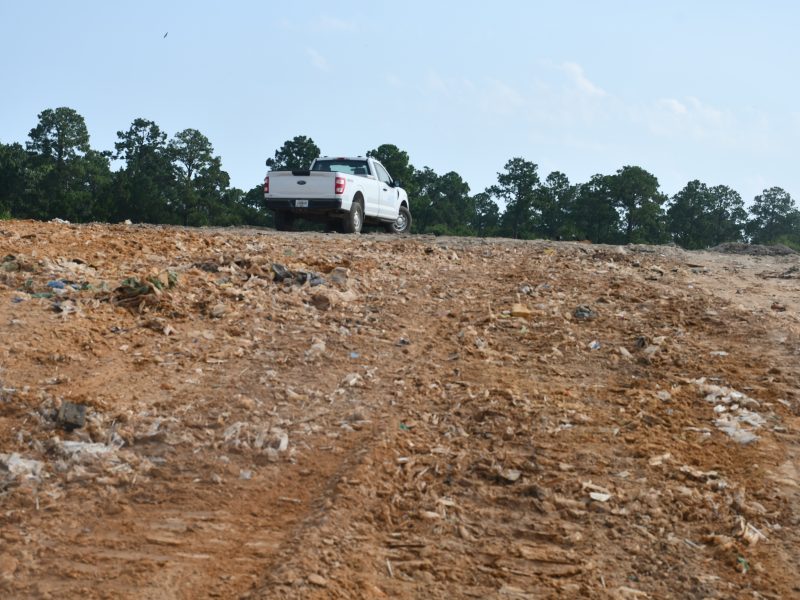
Bigger budget will mean improvements at Dougherty County’s landfill
“It’s certainly an opportunity where we can grow and make this very beneficial for years to the community. It’s a service that we provide for the community and I want to prolong that resource for the community. It’s not just fill it up and close it.”
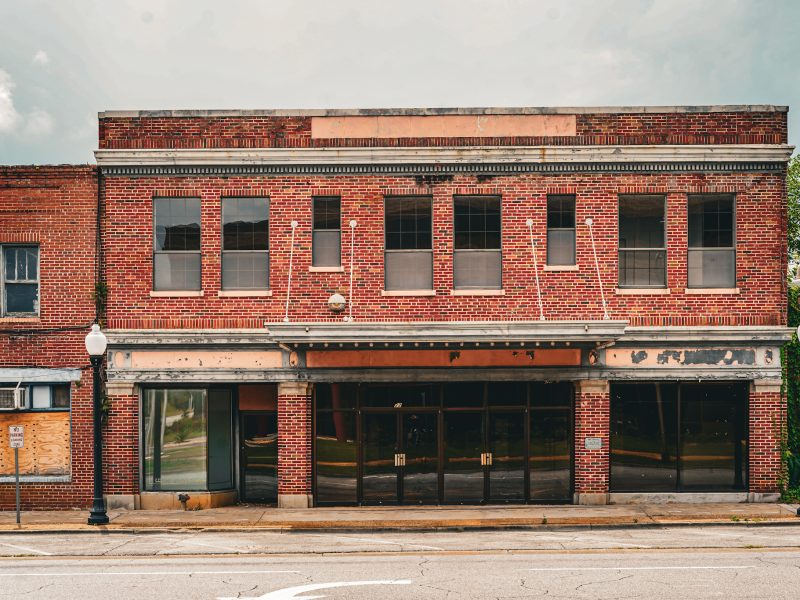
Putting on the Ritz: The rise, fall and renewal of Albany’s Harlem District
On July 7, the Albany City Commission unanimously approved final construction drawings for a comprehensive restoration of the Ritz Theatre and Cultural Center, clearing the way for the project to move into competitive bidding after years of planning and preservation efforts. The decision marks the latest chapter in a decades-long effort to preserve one of Southwest Georgia’s most significant African American landmarks.
