
Before an emergency arises is the time to get prepared
Hours, or even days, can pass before relief arrives at the site of a disaster

By Mary Braswell
ALBANY — Supported by the Georgia Emergency Management & Homeland Security (GEMSHA), Ready Georgia was launched in January 2008 . The sole purpose of the initiative is motivating Georgians to prepare in advance for a disaster.
Georgia is more prone to ice and snow in the northern parts of the state and flooding from Macon to the Florida line. With the technology available today, for the government and individuals, it is rare that a storm of any kind arrives without notice.
GEMSHA Director Jim Butterworth said Thursday afternoon that there are people in the eye of Tropical Storm Hermine experiencing blue skies and 10-20 mph winds. Such cases lead to an attitude that “everything will be okay.” Butterworth also said, “People tend to believe weather-related disasters happen somewhere else, but not here.”
Power outages are common and can be the result of any weather-related emergency. Being able to flip the light switch is the least of most victims’ worries. Even a short-term outage can be life-threatening in hot weather and the same during cold months. While GEMSHA and local emergency personnel remain on the job around the clock during such times, individuals, families and businesses can do plenty themselves to be ready for such emergencies.
A statewide survey has revealed the stunning fact that, in reality, only 39 percent of the state’s families have a prearranged meeting place or re-connection plan. Just a tad over half of the families surveyed have some sort of a home emergency kit.
The time to make plans and gather supplies is now, emergency officials point out. Waiting until the very last moment, or until it is too late, can find family members scattered and supplies unavailable.
Ready Georgia has a suggested list of items to have on hand. Among the list are some no-brainers, such as flashlights with extra batteries, bottled water and canned food. If there are babies in the household, set aside diapers and formula. Young children will need something to occupy their time such as small toys, paper and crayons. If there is a favorite blanket, keep it close to help comfort the child during the stressful hours or, possibly, days.
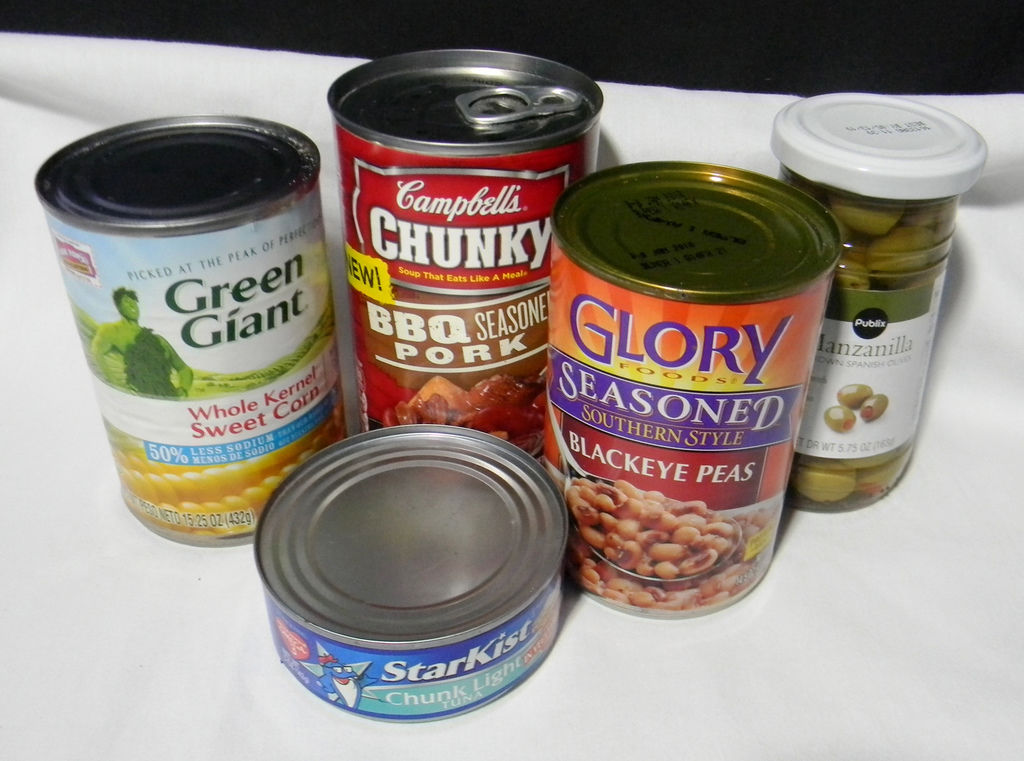
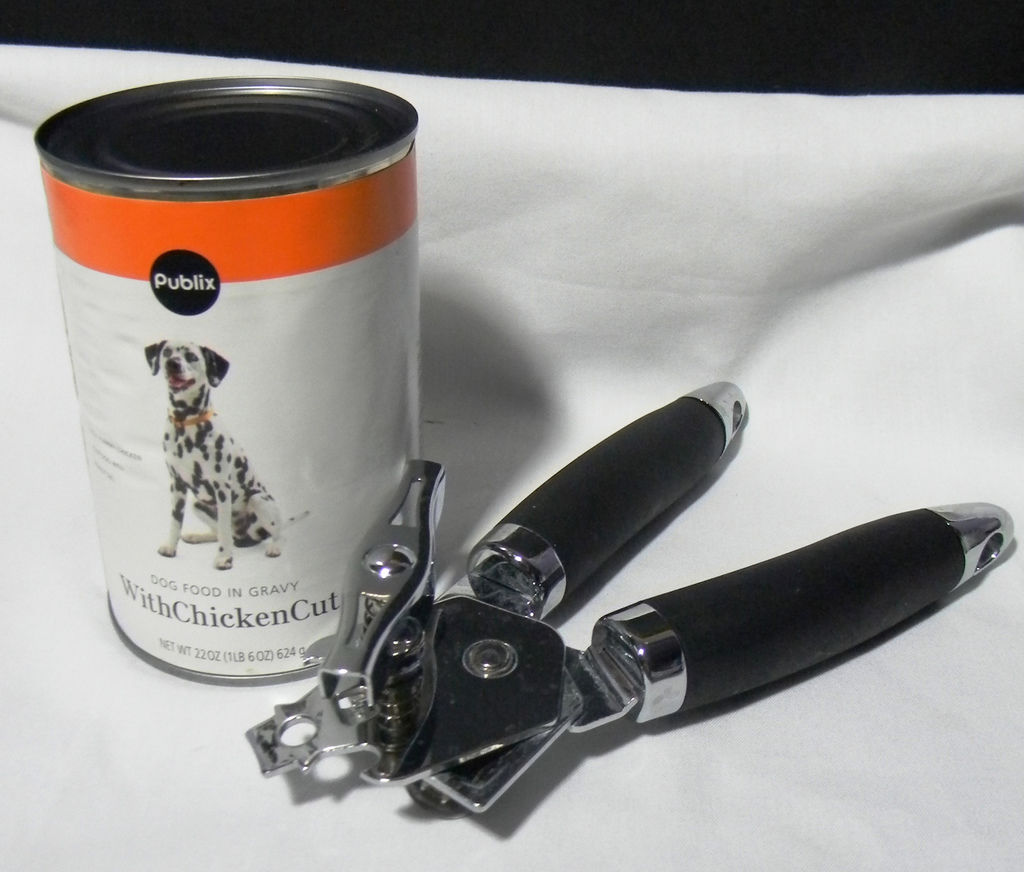
Canned food items have a long shelf life and many, while perhaps not the preferred way, can be eaten straight from the can. Pets will need food, also. Dry food in a flood is not much better than having none. Even if it is not the normal routine, have a few cans of pet food on hand. And remember, nothing in a can without a self-opening lid will be of any good without a can opener.
Trash bags are needed to keep garbage from piling up. In a pinch, tear a hole in the bottom of one and use it as a poncho. Storage bags can protect matches, money and documents such as birth certificates and insurance policies. Including a whistle in the emergency kit allows for rescue workers to find a person who could otherwise be overlooked.
When asked to provide the three most important things a person can do to be prepared for an emergency, Butterworth responded, “Food and water for all family members for three days, fuel in your vehicle (at least half a tank) and a plan to communicate and/or reconnect with family and friends in the case of no cell or land line telephone service.”
None of these ideas is new or the product of scientific research. The key to survival when a disaster/emergency strikes is to take action before action is imperative. Look over the list below from Ready Georgia, gather items on hand and go now, or at least soon, and finish assembling the kit. Acting on what is already common knowledge simply makes good sense.
Recommended items to include in a basic Ready Kit
— Water, at least 3 gallons per person, for drinking and hygiene
— Food, at least a three-day supply
— Can opener
— Radio, Battery-powered or hand-crank
— NOAA Weather Radio with tone alert and extra batteries
— Emergency charger for mobile devices
— Flashlight and extra batteries
— First aid kit
— Whistle to signal for help
— Face masks to help filter contaminated air; plastic sheeting and duct tape to shelter in place
— Moist towelettes, garbage bags, plastic ties
— Wrench or pliers to turn off utilities
— Local maps
Additional items to consider adding to a Ready Kit
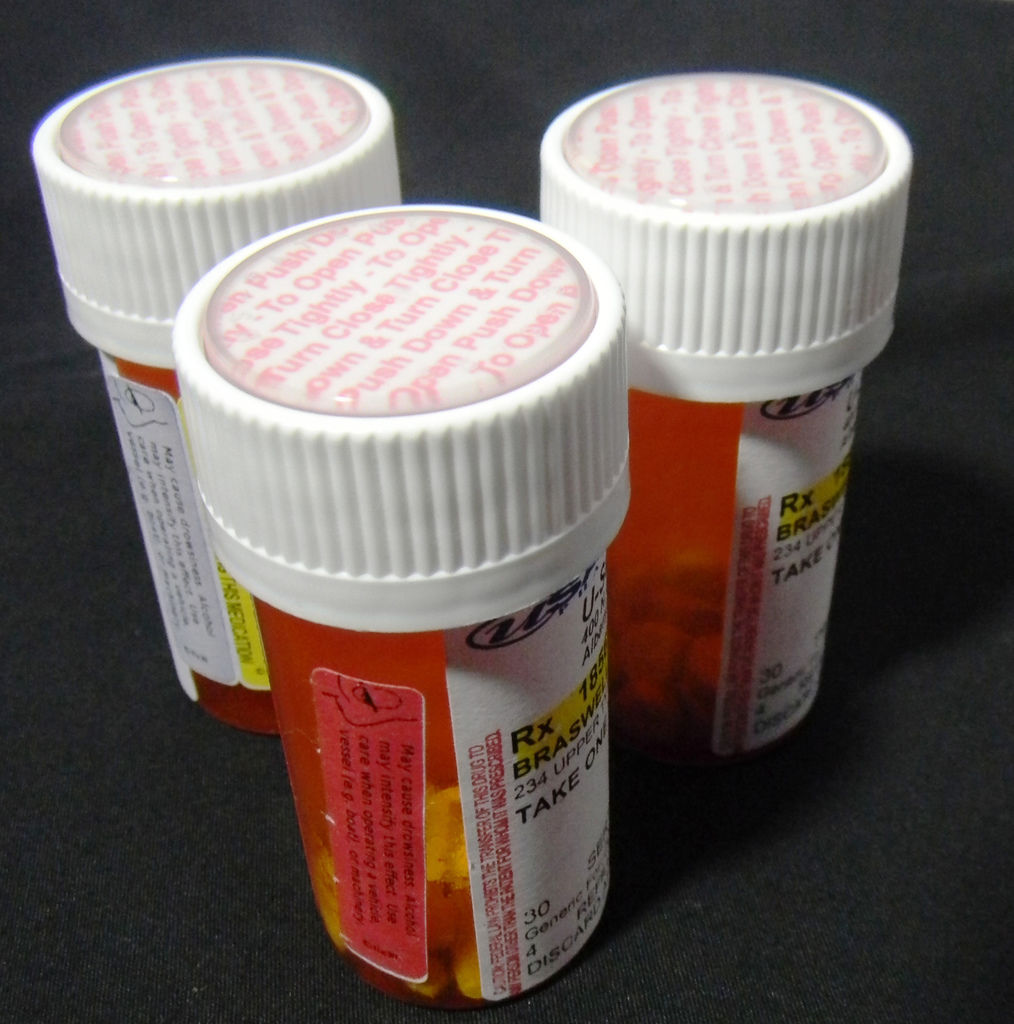
— Prescription medications and glasses
— Infant formula and diapers
— Pet food and extra water
— Important family documents, such as copies of insurance policies, identification and bank account records in a waterproof, portable container
— Cash or traveler’s checks and change
— Emergency reference material
— Sleeping bag or warm blanket for each person: Consider adding bedding if you live in a cold-weather climate
— Complete change of clothing
— Household chlorine bleach and medicine dropper
— Fire extinguisher
— Matches in a waterproof container
— Feminine supplies and personal hygiene items
— Mess kits, paper cups, plates, plastic utensils, paper towels
— Paper and pencil
— Books, games, puzzles or other activities for children
Source: www.ready.ga.gov


Related Articles

Dougherty County residents experience sticker shock with tax notices
Dougherty County property owners are reacting to an increase in property values that are the result of a comprehensive revaluation of all 37,000 properties in the county. Dougherty County officials say that the increase in property valuation does not necessarily mean a higher overall tax bill.

As assessments climb, DCSS signals sizable millage cut
As Dougherty County property owners react to sharply higher reassessed values, school officials say the Dougherty County School System expects to substantially reduce its property tax rate for the ninth consecutive year.

Police seek identity of man killed in early morning shooting Wednesday
Albany Police Department officers responded at 2:45 a.m. Wednesday to an incident at 216 E. Oghetlorpe in which two men were shot, one fatally. The case remains under investigation.
