
City, utility officials avoid ‘fiscal cliff’ with MEAG credits
More than half of $77 million in utility credits in reserves, special job fund

File Photo
By Carlton Fletcher
ALBANY — Seventy-seven million dollars … $77,000,496 to be exact.
That’s how much money will have been returned to the city of Albany as credits by the Municipal Electric Authority of Georgia over a decade that started in January of 2009 and will end in December of 2018.
It’s not like the credits are some kind of benevolent gift handed to the city based on a kindness. The city — and 48 other members of the MEAG collective created by the Georgia General Assembly to give city- and county-owned utilities competitive power in purchasing electricity on the open market — had been paying money into a Municipal Competitive Trust as a hedge against expected deregulation of the electric industry.
When deregulation never happened, MEAG informed its members that the money they’d put into the fund would be returned, with interest. Some politicians salivated like Pavlov’s dogs in anticipation of the windfall. And while a large chunk of the MEAG credits were spent by Albany city commissioners, the Albany Utility Board and, to a very small degree so far, by a specially created Job Investment Fund, the truth is that a large portion of the credit has been saved by the entities for “rainy-day” usage.
“From the time the funds started coming in, in 2009, money from the credits was used solely for operations,” city Finance Director Derrick Brown said. “Then, as the end of the credits started looming — about 2016 — city leaders started leaving the credits out of the budget process. They’ve allowed the funds to go into their fund balances (reserves) to offset unexpected expenditures.”
Current City Manager Sharon Subadan assumed her position with the city at the tail end of the MEAG credits, which had dropped from a high of $10,363,566 in Fiscal Year 2014 to just $4,234,440 in FY 2017. As had her two immediate predecessors — City Manager James Taylor and interim City Manager Tom Berry — she saw the wisdom of leaving the MEAG credits out of the budgeting process, allowing instead all funds to go directly into the city’s fund balance.
“The approach that I’ve taken — and what I consider the very responsible position taken by the City Commission — is that the MEAG credits should be used strategically,” Subadan said. “We are working on a new strategic plan, and I think these funds should be part of the process of fleshing out our future goals and objectives.
“The operations of a city are ongoing, no matter the (economic conditions), and operating expenses are ongoing. I’m proud to say we have a lot of good things going on with the city government that are not necessarily front-page news. Thanks in part to the MEAG credits, we’re putting aside money for maintenance and operations of our assets. We’re investing in the city’s future.”
Records provided to The Albany Herald by Brown show that the city’s three recipients of the MEAG credits — the city of Albany, the Albany Utility Board and a Job Investment Fund created to provide monetary incentives for businesses and industries to locate in or invest in the community — each will have received $25,666,832 when the credits end in December of 2018.
Yearly totals have been: $4,397,742 ($1,465,914 each) in FY ‘09; $8,585,646 ($2,861,882 each) in FY ‘10; $9,234,798 ($3,078,266 each) in FY ‘11; $7,703,070 ($2,567,690 each) in FY ‘12; $7,726,368 ($2,575,456 each) in FY ‘13; $10,363,566 ($3,454,522 each) in FY ‘14; $9,514,836 ($3,171,612 each) in FY ‘15; $7,613,526 ($2,537,842 each) in FY ‘16; $5,868,816 ($1,956,272 each) in FY ‘17; $4,234,440 ($1,411,480 each) in FY ‘18, and $1,757,688 ($585,896 each) in FY ‘19.
(Note: Fiscal Years 2009 and 2019 are six-month collections.)
Some in the community wonder why the city has “frittered away all that money” from the MEAG collections, but the fact is that more than half of it (slightly more than $40 million) has gone into reserves or into the infrequently used so far Job Investment Fund.
“I think, for the most part, (the city and utilities) are using the MEAG credits in a fiscally responsible way,” Brown said. “Unfortunately, some of the credits were used to balance the budget in the early years, but (officials) wisely realized that the best thing to do was to wean themselves from the credits.
“Everyone agrees that (leaders) could have made better decisions (on usage of the credits) when things first got started, but they reversed that. We were heading toward our own fiscal cliff that could have created serious problems, but we’ve taken a more fiscally responsible approach that should allow us to just keep on rolling once the credits end.”
Author

Related Articles
Georgia’s school funding formula still ignores poverty; educators say students pay the price
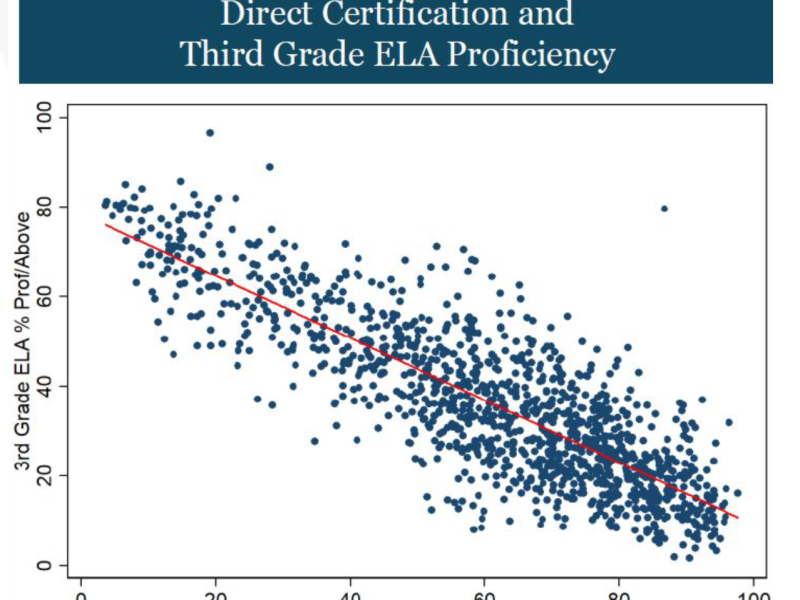
During a report to the board on the outcomes of this year’s legislative session, Dyer discussed the district’s efforts to persuade lawmakers to add an “opportunity weight” to Georgia’s Quality Basic Education (QBE) funding formula — a change supporters say would provide additional state funding for students living in poverty.
Red light violations will bring citations at a dozen Albany intersections
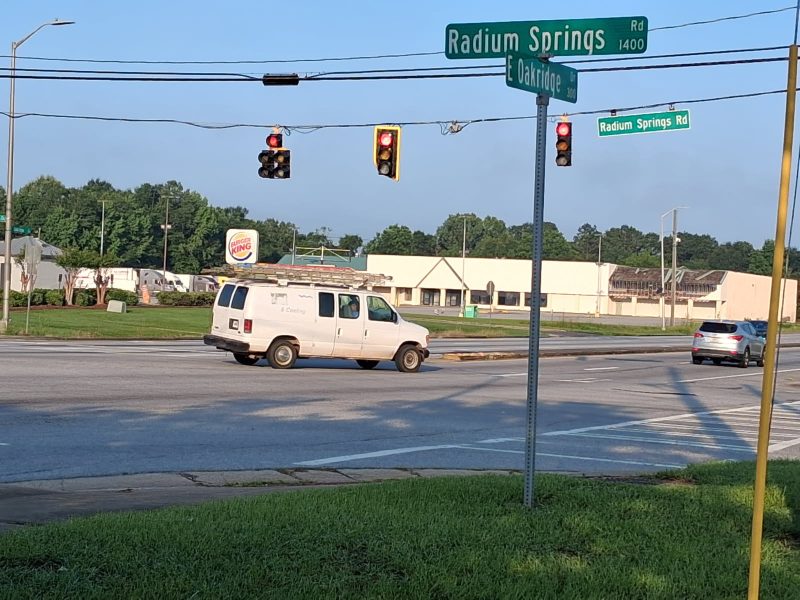
“That was always the goal of the school zone cameras, to change the behavior. It’s the same with the red lights, we want to change the behavior. When you see a yellow light, you need to slow down and prepare to stop.”

Dougherty Commission considers $104 million budget for 2026-2027 budget year
“The other side of the coin is you could have higher revenues than projected. We’re very conservative in budgeting revenues. That also reduces the need to use fund balance”
