
Darton’s Lea Henry remembers coaching legend Pat Summitt
Olympian Lea Henry shares some of the lessons learned from coach, mentor Pat Summitt
By Chauntel Powell
ALBANY — Before she was an eight-time national champion, a seven-time NCAA Coach of the Year and an Olympic gold medalist, Pat Summitt was a young coach working to build a program that would later become a powerhouse in women’s basketball.
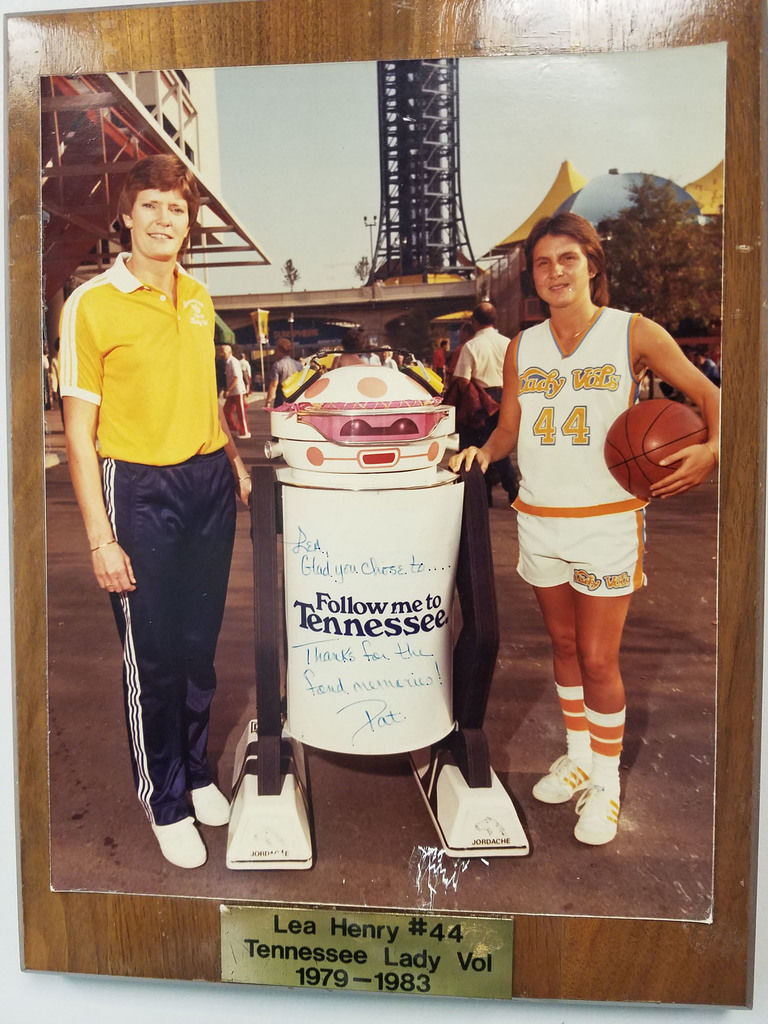
Before she was a 400-win coach, an Olympic gold medalist herself, or even an Academic All-American, Lea Henry was a freshman guard trying to earn a starting spot on Summitt’s team.
The two would join forces at the University of Tennessee and form a strong relationship that lasted well into Henry’s adult life. And the lessons Henry learned playing for Summitt have remained through her own coaching career and even helped her deal with the loss of the great coach, who succumbed to complications from Alzheimer’s disease on June 27.
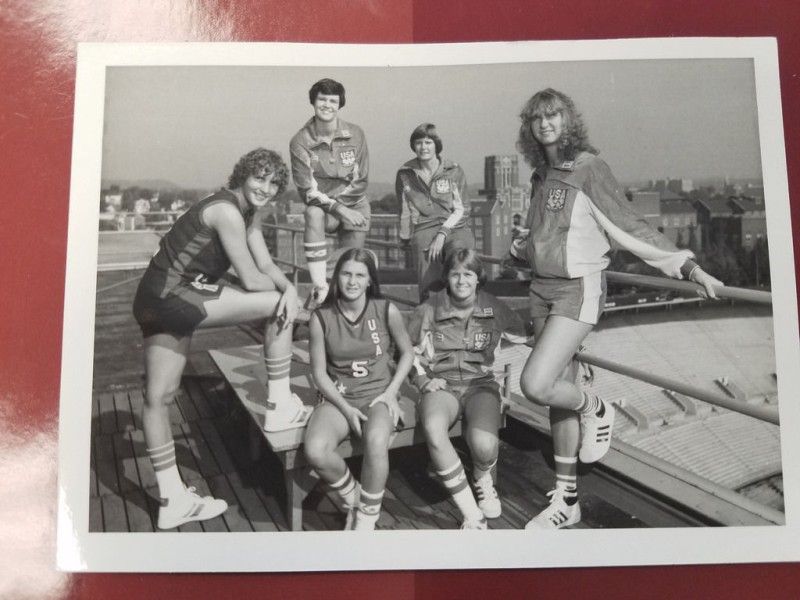
Summitt was in just her fifth year of coaching when Henry enrolled at Tennessee for her freshman year in 1979, but the legendary coach had already hit the ground running. Having made the 1976 Olympic team, Summitt was able to use that accomplishment to attract top transfers Cindy Brogdon and Trish Roberts, who were both from the state of Georgia, and help bring national attention to the program in the short amount of time she was there.
It was Summitt’s fire and her all-business demeanor that made Henry choose the Lady Vols over Louisiana Tech and UCLA. Henry said her rapport with Summitt was formed before she even set foot on campus, having played under Summitt in the first-ever Junior Olympics Festival. She remembers them clicking instantly.
“I was really impressed (when I first met her), and I liked her a lot,” Henry said. “I’ve always had a very strong personality, so I was never intimidated by Pat. It was more a respect factor. And I liked the fact that from the first day I met her, we hit it off, we communicated well, we just got along.
“I liked the way she carried herself; I liked the confidence she projected. I felt like she was gonna be the person that could help me accomplish the things I wanted to accomplish.”
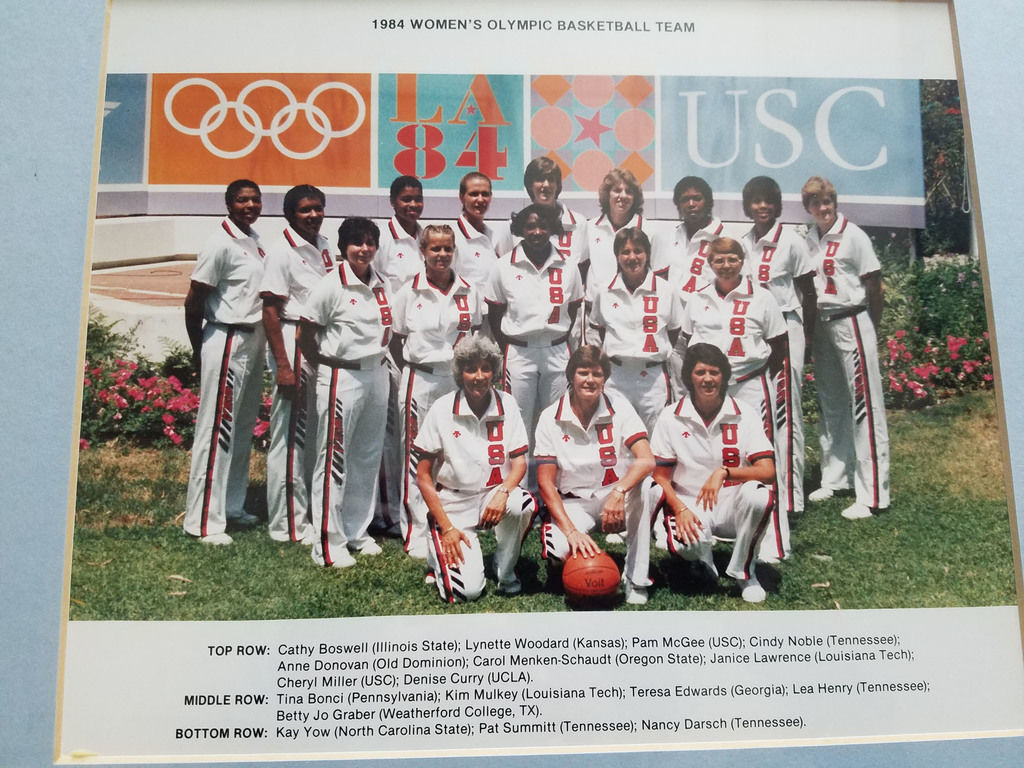
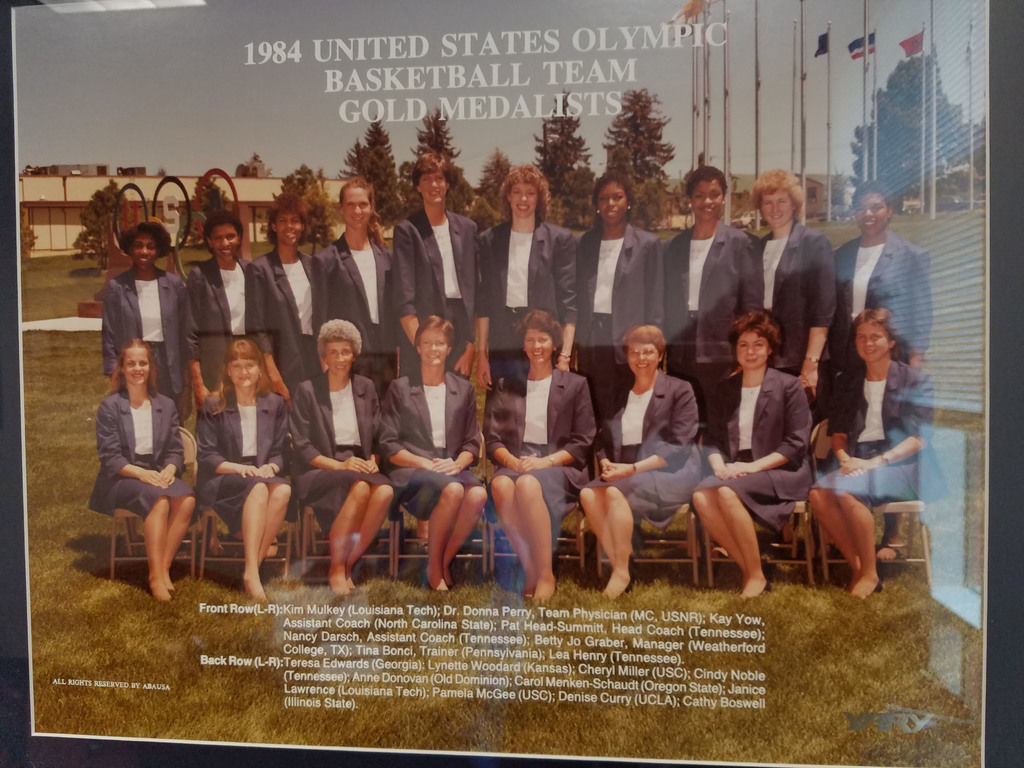
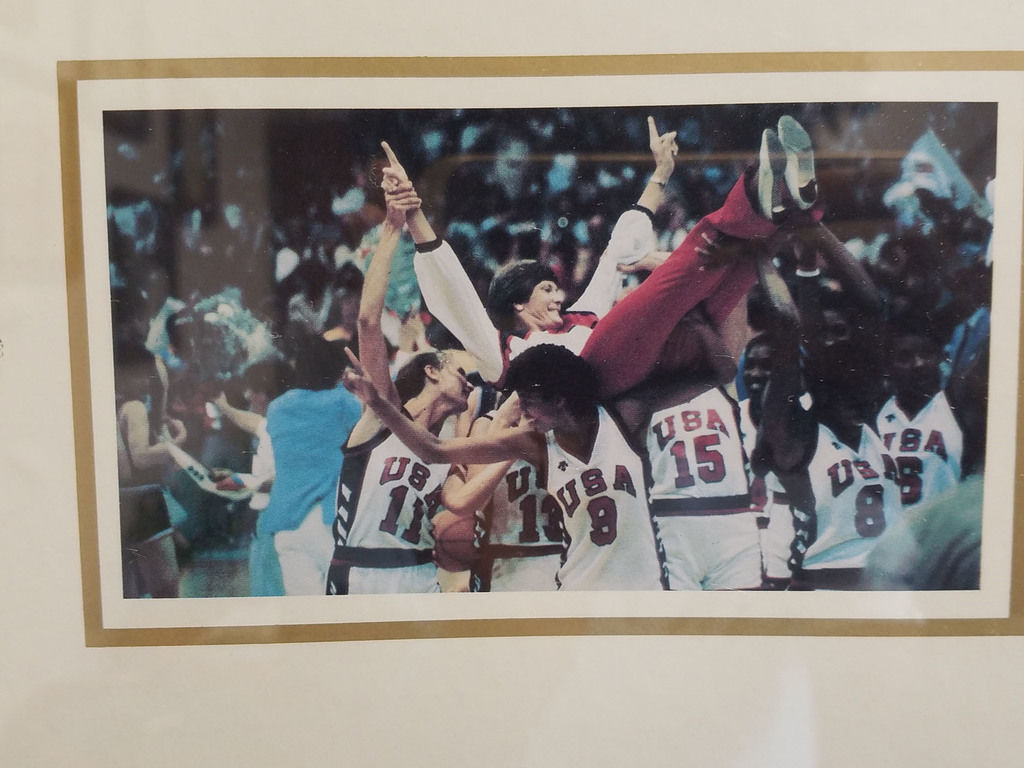
One of those goals was to become a starter for Summitt’s team. Henry would achieve that, as well as play in two national championship games while becoming an Academic All-American twice and helping the United States bring home its first gold medal in women’s basketball. Henry gives Summitt credit for much of her success.
“One of Pat’s mottoes was ‘You win with people,’ and she knew what my dreams and my goals were. She told me she could help me achieve them, and she did,” Henry said.
After graduation, Henry spent two years on Summitt’s coaching staff. From there, she was told it was time for her to fly on her own.
“I knew it was eventually going to be my job to coach,” Henry said, “and Pat helped me with that. She said, ‘Lea you need to go be a head coach, you don’t need to be an assistant coach. Your personality is one that you like to be in charge, and you like to be the leader.’”
It was a phone call from Summitt that helped land Henry her first coaching job at Mercer University, where she would begin to put all the lessons she had learned at Tennessee into practice.
“The biggest thing I learned from Pat from a coaching standpoint is that it’s OK to demand a lot from people,” Henry, a Southwest Georgia Academy standout, said. “A lot of times, young people don’t know what they’re capable of accomplishing. It’s your job as a coach to get them there and help them understand that and to push them beyond what they think their limitations are. And to hold them accountable.”
After leaving Tennessee and Summitt’s tutelage, Henry was truly on her own. But she acknowledges that she would check in periodically with Summitt. She got the opportunity to square off against her mentor in the NCAA Tournament while coaching at Georgia State University.
“She just told me how proud she was of me,” Henry said of their post-game meeting.
Henry now boasts a resume that includes more than 400 coaching wins and has been inducted into the Tennessee Lady Vols Hall of Fame. But her path included some bumps along the way. Bumps that Summitt taught her to acknowledge, but never allow to slow her down.
“Another thing I learned from Pat is ‘Don’t accept failure,’” Henry said. “Failure does make you stronger, but it’s not OK. There are reasons for (failures), and you gotta figure them out.”
Summitt drilled that lesson into her teams to the point that Henry said, as scarce as failures were during the coach’s tenure, the losses stick out more than the wins and the fallout from said losses stick out even more.
“There were many times, and you can’t do this anymore, we’d lose a game and she wouldn’t feed us,” Henry said. “We’d come back from a bad loss, and she’d take us in the gym and make us put our dirty uniforms on and run at 2 o’clock in the morning.”
The grit and toughness that Summitt helped foster in all of her players also made it hard for them to accept her condition.
“We knew she wasn’t doing well, but at the same time when you think of Pat, you think she’s a fighter, she can overcome anything,” Henry said. “And I guess it was just time.”
As time wore on and her condition worsened, reality sank in for Henry.
“It hit me probably the hardest as I’m applying for a job now and had to update my resume, had to update my references,” she said. “It was the first time I couldn’t put her name down.”
Henry said she still was able to take solace that when speaking with Summitt during her illness, she knew that the coach she loved and looked up to was present.
“You could tell in the phone conversations we had that it was getting worse, but it was soothing to hear her voice,” Henry said. “Even in the last phone call we had, she knew me and it was just nice to hear her voice. The only unprompted thing she said was that she loved me … and I’ll always remember that because that was the last conversation I had with her.”
Henry said she will always see Summitt as the one person who did the most for women’s basketball, teaching young girls it’s OK to be tough and to speak up while being competitive.
Henry recalls Summitt’s omnipresence, an element that her players dreaded the most while trying to stay out of trouble. Later, though, it was one of the most comforting things about Summitt as the players prepared to mourn their beloved legendary leader.
“There’s a loss there, but there’s also the understanding that she’ll always be with you,” Henry said. “She’ll always be a part of you and now she’s up there watching everything we do again.”
Related Articles

Rain depresses voter turnout in Dougherty County
“A lot of people don’t vote when it’s raining. People don’t do a lot of things when it’s raining.”

City of Albany faces shortfall for police, fire salaries
“We can’t tell staff to hire more police officers and then complain at what it costs.”

Women’s Anchorage tentatively set to open in early July
“We’re here. We said we were going to do it, and we have done it.”

