
DNR announces poster contest, deer alert
Motorists warned to be cautious during peak deer activity season
From Staff Reports
SOCIAL CIRCLE – Teachers and students across the state are invited to explore Georgia’s wildlife and students’ artistic interests through the 29th annual Give Wildlife a Chance Poster Contest.
The goal of the competition for students in grades K-5 is to generate a greater knowledge and appreciation of Georgia’s diverse wildlife and its habitats. The popular contest is sponsored by the Georgia Department of Natural Resources, the State Botanical Garden of Georgia and The Environmental Resources Network, or TERN, friends group of DNR’s Wildlife Conservation Section. The theme for the 2018-19 school year is “Pollinator Power!” The topic highlights the important roles pollinators like bees, ants, moths and hummingbirds play in producing fruits, seeds and nuts for wildlife as well as crops for people, according to a news release from the state Department of Natural Resources.
Despite their importance, pollinator populations are declining, mainly due to habitat loss and pesticide use. Much of the native vegetation that supports pollinators has been replaced by roads, buildings, parking lots and neighborhoods with manicured lawns. Weed killers and insecticides can undercut wasps, butterflies, beetles and other beneficial insects. Pollinator diseases, parasites and invasive species inflect damage, too.
By reducing pesticide use and creating pollinator habitat, even in small patches, all Georgians – including our youngest artists – can help reverse this trend.
After creating artwork based on this year’s theme and within contest rules, participants will enter their drawings and paintings at the local school level. Top school-level entries then proceed to the state contest at the State Botanical Garden of Georgia in Athens. First-, second- and third-place winners will be chosen for four divisions: kindergarten, first and second grade, third and fourth grade, and fifth grade. The deadline for schools to submit state-level entries is April 12.
The top 12 state-level winners’ artwork will be showcased on DNR Wildlife Resources Division social media sites and displayed at the State Botanical Garden in Athens May 9-14. The State Botanical Garden offers a fascinating variety of plants as well as opportunities to view wildlife in the fields and forests. Admission is free, although donations are accepted. For directions, operating hours and a garden map, visit http://botgarden.uga.edu.
As a special perk for supporting this contest, each state-level winner’s teacher and one parent will receive a free bald eagle license plate, courtesy of TERN. For contest rules, awards, entry forms and other information, visit www.georgiawildlife.com/PosterContest.
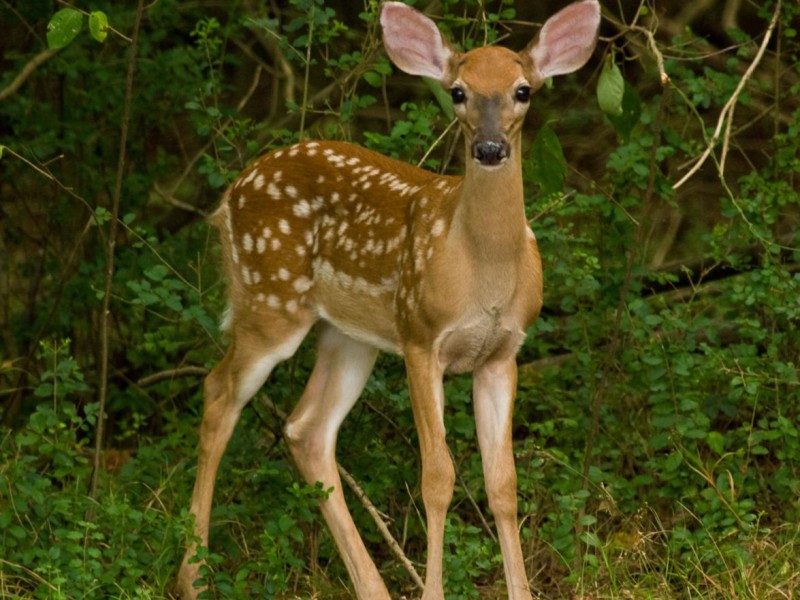
DNR officials are also warning motorists to watch out for deer on and near roads this fall. Motorists are urged to exercise caution this time of year as it is peak deer activity season, according to the Georgia Department of Natural Resources’ Wildlife Resources Division.
“Motorists should be alert and pay close attention to roadsides as we are nearing the annual peak time of the year for deer movement,” said Charlie Killmaster, state deer biologist with DNR’s Wildlife Resources Division. “Keep in mind that deer often travel in groups, so if a deer crosses the road ahead of you, there is a good chance that another will follow. In many cases, that second deer is the one hit as the driver assumes the danger has passed and fails to slow down.”
Following are tips and information to help avoid potential collisions:
• Deer Are Unpredictable: Always remember deer are wild and, therefore, can be unpredictable. A deer calmly standing on the side of a road may bolt into or across the road rather than away from it when startled by a vehicle.
• One Deer Usually Means More: Always take caution and slow down when a deer crosses the road in front of you. Deer usually travel in groups, so it is likely that others will follow.
• Time of Day: As deer are most active at dawn and dusk, they are typically seen along roads during the early morning and late evening – the same times most people are commuting to and from work.
• Time of Year: While deer-car collisions can occur at any time of year, the fall breeding season is a peak time for such accidents. During the breeding season, deer movement increases and this often brings them in contact with roadways that cross their natural habitats. Road shoulders generally provide beneficial food plants both during extremely dry times of the year and following a hard winter. Deer are attracted to these plants in late-winter, early spring and late summer.
• Minimize Damage: If it is too late to avoid a collision, drivers are advised to slow down as much as possible to minimize damage – resist the urge to swerve to avoid the deer, as this may cause further damage, sending drivers off the road or causing a collision with another vehicle.
For more information on the Georgia Wildlife Resources Division, visit www.georgiawildlife.com.
Related Articles
Albany/Dougherty County among local governments looking at data centers
“Our understanding is that data center developments look like an easy fix for the problems that face rural America, but this is a Faustian deal at best. You can see the effects in communities across the state and country.
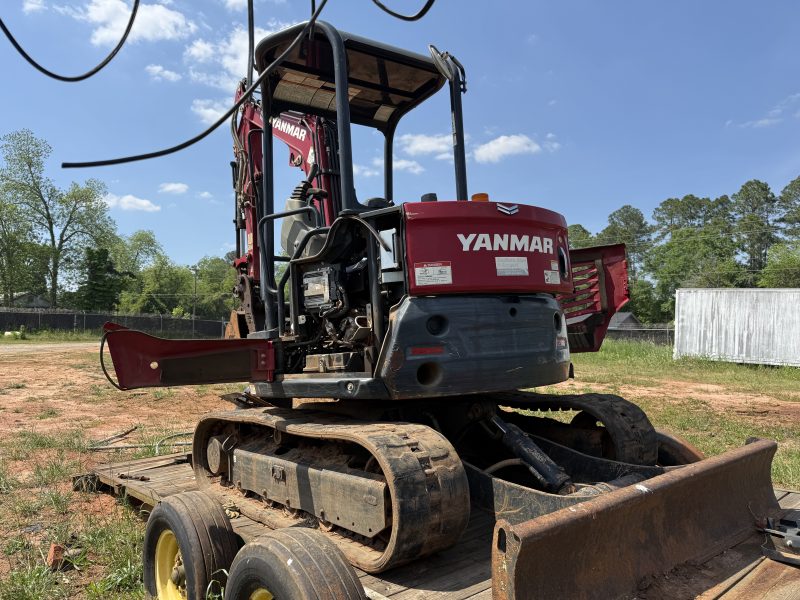
Dawson approves $68K excavator purchase after months of contradictory public statements
The decision concludes one portion of a controversy that has generated months of public scrutiny but leaves several unanswered questions regarding how the city’s original machine was damaged, whether employees were held accountable and what documentation supports the decision to replace rather than repair it.
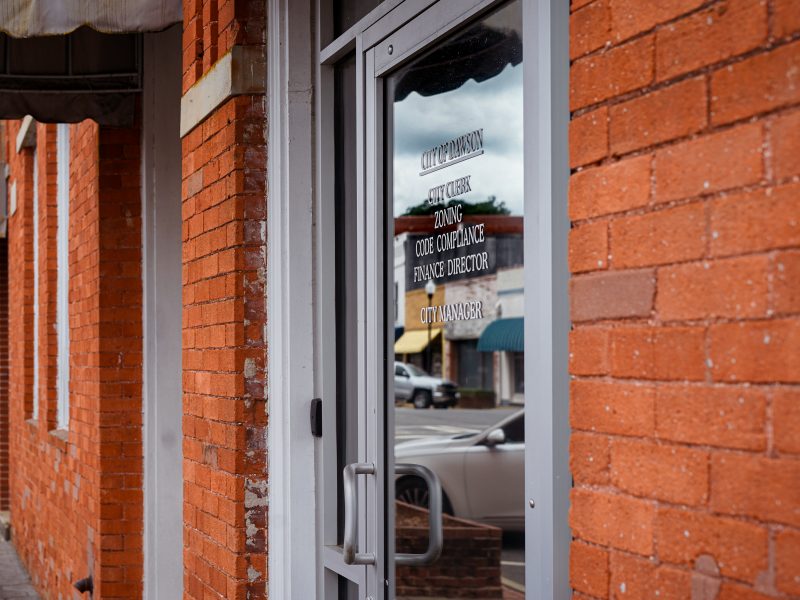
Dawson proposes borrowing up to $420,000 to stay afloat as finances unravel
Documents obtained by The Dawson News show city officials are proposing to balance the budget through a transfer from the Public Utilities Fund while simultaneously seeking authority to borrow as much as $420,000 from a private financial institution to continue meeting payroll and other operating expenses as Dawson works to complete financial audits that have remained unfinished since 2023.
