
Faith carried Jimmie Gardner through 27-year prison ordeal
Former pro baseball player says conviction based on false evidence
By Carlton Fletcher
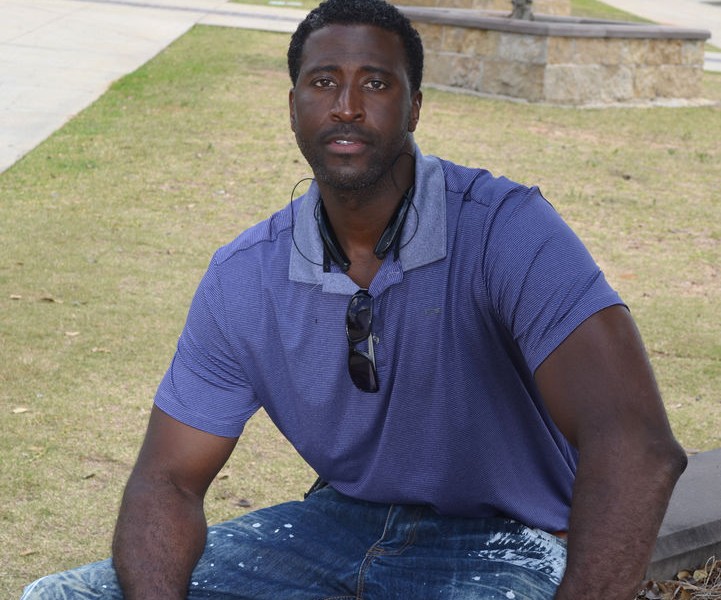
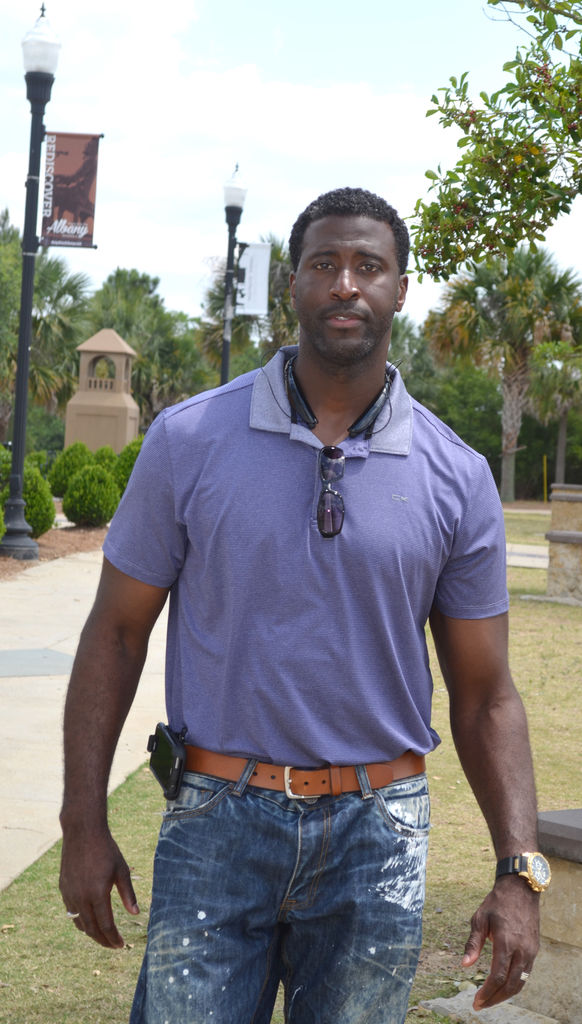
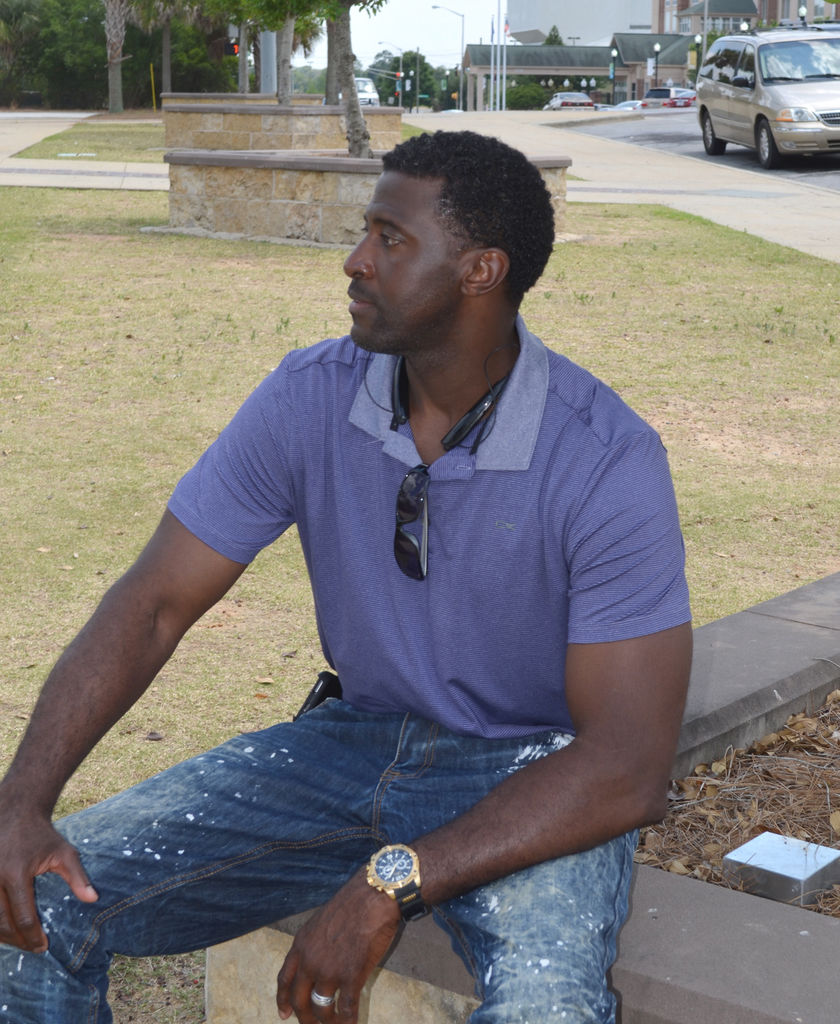
ALBANY — Jimmie Gardner’s 50 now, his baseball career behind him. He looks at least 15 years younger, though, his long, muscular body marking him as an athlete.
Gardner, in fact, was an elite athlete, a baseball player drafted right out of Tampa Bay Technical High School in 1984 by the Chicago Cubs. He pitched in rookie ball alongside a guy named Greg Maddux, called Mark Grace a teammate, and advanced to High A ball before his career stalled.
Gardner walked out of West Virginia’s Mount Olive Correctional Complex on April Fool’s Day this year, a free man for the first time in 27 years. He’s spent the majority of his life behind bars, convicted of crimes he swears to this day he did not commit, a victim, he says, of “judicial madness and injustice” that defies every principle on which this country was founded.
After years and years of filing appeals that barely drew a response, U.S. District Court Judge Joseph R. Goodwin ordered on March 25 that Gardner’s conviction on charges of sexual assault and robbery be vacated. Goodwin stopped short of granting a summary judgment that would have ended Gardner’s legal ordeal completely, but the judge ordered the state of West Virginia to retry Gardner or release him.
By granting Gardner a writ of habeas corpus (which requires a hearing to determine the legality of a prisoner’s incarceration) based on the fact that evidence used to convict him has been proven false, Goodwin allowed Gardner to return to Southwest Georgia and a loving family for the first time since his conviction. More importantly, he opened the door to the possibility of freedom, a possibility that seemed impossible after Gardner was convicted and sentenced to 113 years in prison.
“I’m here today because I never lost faith,” Gardner said.
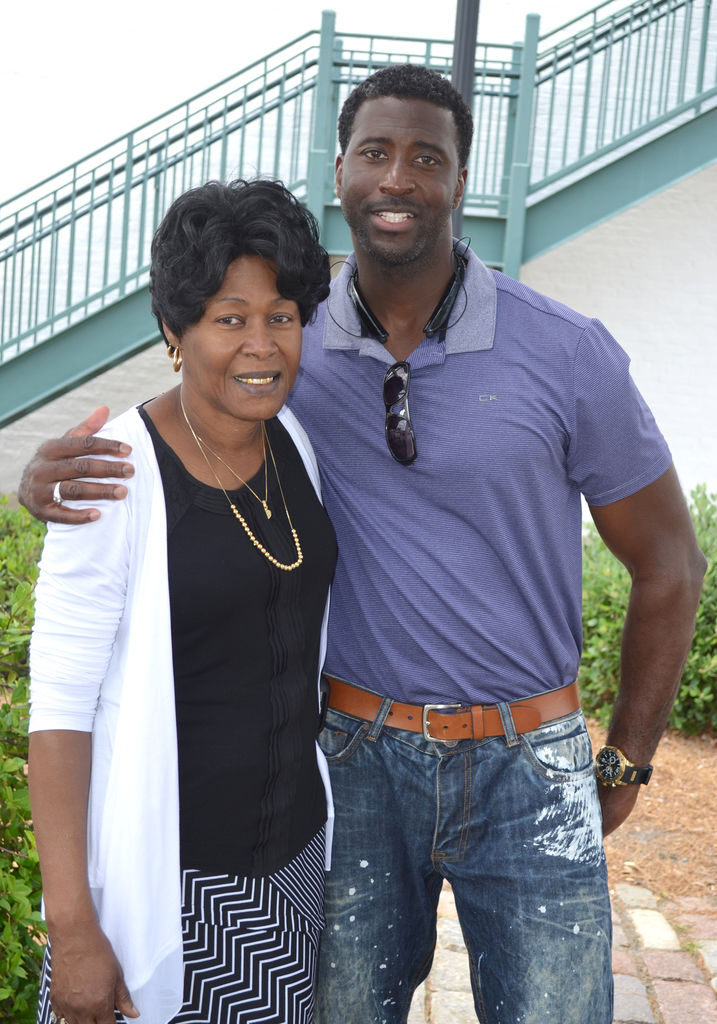
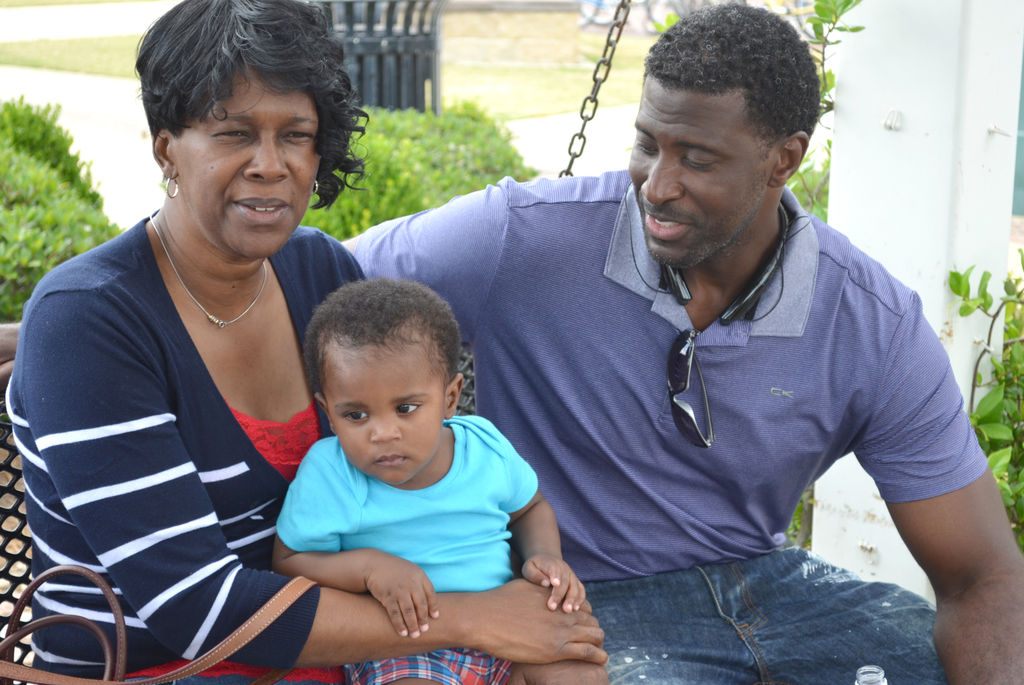
He’s in Albany now while he awaits word from the West Virginia court system, living with his mother, Gladys Gardner, and spending time with his extended family. As he tells his story, he does so matter-of-factly, not a hint of bitterness in his voice. This despite a sentence that denied him the opportunity to live the prime years of his life as a free man.
“There is no bitterness in me, no hatred,” Gardner said. “This experience humbled me. I saw things that will haunt me forever, things I don’t talk about. But I believe I was chosen by God (to go through the ordeal) for a reason. And at no time in these 27 years have I ever thought of giving up.”
Gardner was born in Terrell County and lived his early years on grandfather Albert Mills’ farm. He and his siblings shared in the chores that were an everyday part of farm life. But Gardner and his sister, Barbara, were entranced by city life in Tampa when they visited their great aunt Alberta Lamar, and they were allowed to live in the central Florida city.
Little Jimmie was drawn by the urban life in a growing coastal metropolis, but most of all he was consumed by sports.
“Tampa was a mecca for sports,” he said. “You look at the people who came from that area — Dwight Gooden, Gary Sheffield, Wade Boggs, Steve Garvey, Derek Bell, Juan Alvarez — there were just so many of them who went on to pro careers. And there were others who were just as good or better who, for whatever reason, took different paths and were never heard of.”
Gardner’s athletic skills blossomed in Tampa. He shone on the football field, the soccer pitch and on the basketball court. But he was a god on the baseball diamond, a five-tool star.
“The thing about Tampa is that you had real coaches in the youth programs there, people who taught us and cared about us as well,” Gardner said. “I remember ‘Coach Zeke’ from my 11-12-year-old team telling me, ‘You’re the best there is, Jimmie C.’ He made me believe him.
“Our team at that time was the Cubs, and I remember saying, ‘One day, I’m going to play for the real Cubs.’”
That day came true when he was drafted by the Chicago National League club out of Tampa Bay Technical. He went from rookie ball to high-A in the Cubs’ minor league system over the course of his four years in the organization, never quite reaching the level that would propel him to The Show, but still living out a dream.
While playing in the Cubs organization in 1986, Gardner, and “just about every other black person in Charleston, West Virginia,” was brought in for questioning in a case that involved robbery and a brutal sexual assault. He was questioned, fingerprinted and released.
“The police said, ‘Nothing matches, we wish you well,’ and they let me go,” Gardner said.
Almost three years later, as he was dealing with the end of his career in pro ball, Gardner was involved in an incident in Florida that led police to bring him in for questioning.
“I did something stupid, had a gun with me, and I was brought in for questioning,” he said. “They did a fingerprint check and got a hit on that case in West Virginia. Police there said I was a suspect in that burglary/assault case.”
Gardner was arrested and taken to West Virginia to stand trial. His conviction and subsequent 113-year sentence stunned him.
“I had appointed counsel, a guy right out of college, but I wasn’t really concerned,” Gardner said. “The (sexual assault) victim said she’d been attacked by a light-skinned man, and I am obviously very dark-skinned. Police said the blood type of the suspect was Type O, and my blood type is A.
“But the state’s chief serologist, Fred Zain, testified that the blood work on the case matched mine, and suddenly I was a serious suspect. They’d said that the robbery and the assault were done by the same person, and when I pointed out that I was pitching on the night of the crime, the state contended that I somehow left the ballpark in the middle of the game, committed the crime, and came back without being detected. It was ludicrous.”
But, based mainly on Zain’s “expert” testimony, Gardner was found guilty.
After overcoming the shock, he started reading up on the judicial system and filing appeals. He sent motions and letters throughout the judicial system, all the way to the U.S. Supreme Court, and he even made a direct appeal to President Obama.
Three times — in 1995, 2002 and 2006 — Gardner got rulings from the West Virginia Supreme Court remanding his case back to Superior Court, but no action was taken after any of the three rulings. And, since all state legal action must be exhausted before a case is heard in federal court, the former star athlete languished.
“I maintained as healthy a diet as I could, and I did not allow myself to dwell on any negative,” Gardner said. “I kept my mind on my objective, which was to regain my liberty. I’d had that never-give-up attitude instilled in me back in Tampa playing sports, and I relied on it.”
Gardner finally got a break when Goodwin, noting that the West Virginia court system had failed to act on the three rulings by that state’s Supreme Court remanding Gardner’s case back to superior Court, agreed to review the case. The U.S. District Court judge admitted to being “shocked” that Gardner’s case had not been reviewed even after the Supreme Court of Appeals of West Virginia had found that Zain had shown “a pattern of misconduct” representing “egregious violations of the right of a defendant to a fair trial.”
Goodwin went on to write in his decision that Zain’s actions “stain our judicial system and mock the ideal of justice under the law.”
Zain, who was accused of perjury and evidence tampering in more than 100 cases, died while officials were conducting an official investigation into his actions. Prisoners in many of those cases have been released, and one was recently awarded a multimillion-dollar settlement by West Virginia.
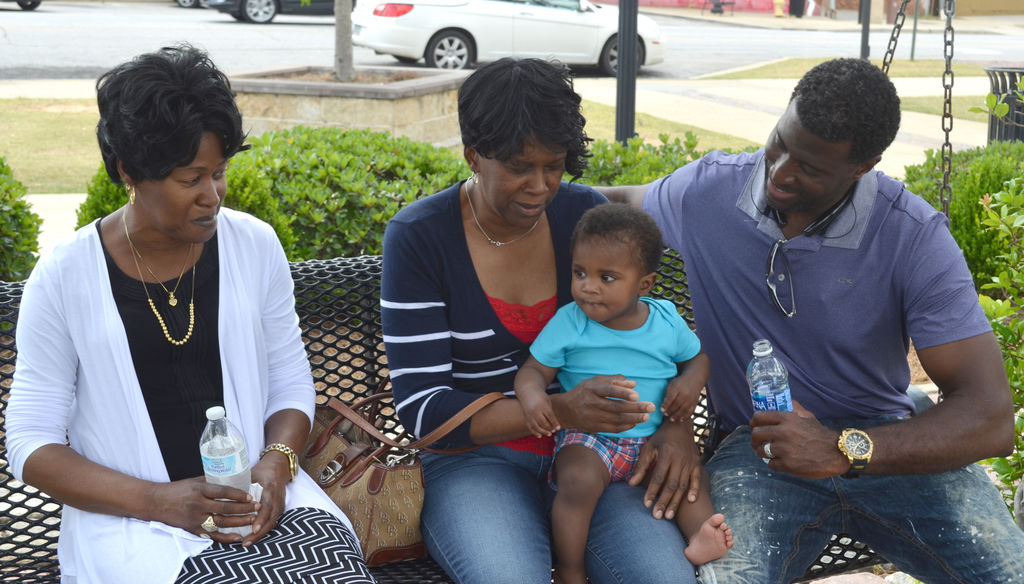
Gardner, meanwhile, is enjoying his new-found freedom with his family, spending a lot of time with brother Eric “E Sleazy” Gardner, a musical artist who has taken up his older sibling’s cause.
“Man, Jimmie C. is my hero,” Eric Gardner said. “To go through what he’s been through and see him come through it the man he is is inspirational to me. I’ve dedicated my career as a musician to doing everything I can to see that Jimmie gets justice.”
While he is awaiting the West Virginia court system’s decision on whether to call for a new trial or to release him outright, Jimmie Gardner is enjoying life as a free man. He’s talking to youth groups and others about his ordeal, doing things he can to “be a positive influence in the community.”
He’s talking strategy with legal counsel — again, court-appointed — about his case, hoping that his “miracle” release isn’t somehow reversed.
“I’m ready to fight for my life,” Gardner said of a possible legal battle. “I have faith that God didn’t have me go through all of this just to send me back. Of course, if that’s part of His plan, I’m ready for whatever He decides. I still believe everything happens for a reason.
“I have had the opportunity to spend time with my family, to meet people like Darrell Sabbs and Vivian Tate who have supported me, and to enjoy my freedom again. Here’s the thing about me: Despite 27 years of wrongful incarceration, I’ve kept my dignity, my ethics and my morals. I went into prison a man, and I came out as a man. No one can take that from me.”
Author

Related Articles
Small actions can help save big on utility bills
The high temperatures of July and August can bring scorching utility bills as air conditioners hum to keep houses cool. Albany Utilities Residential Conservation Auditor Willie Jackson offered some tips on making summer cooling bills more manageable.

Bigger budget will mean improvements at Dougherty County’s landfill
“It’s certainly an opportunity where we can grow and make this very beneficial for years to the community. It’s a service that we provide for the community and I want to prolong that resource for the community. It’s not just fill it up and close it.”
Putting on the Ritz: The rise, fall and renewal of Albany’s Harlem District
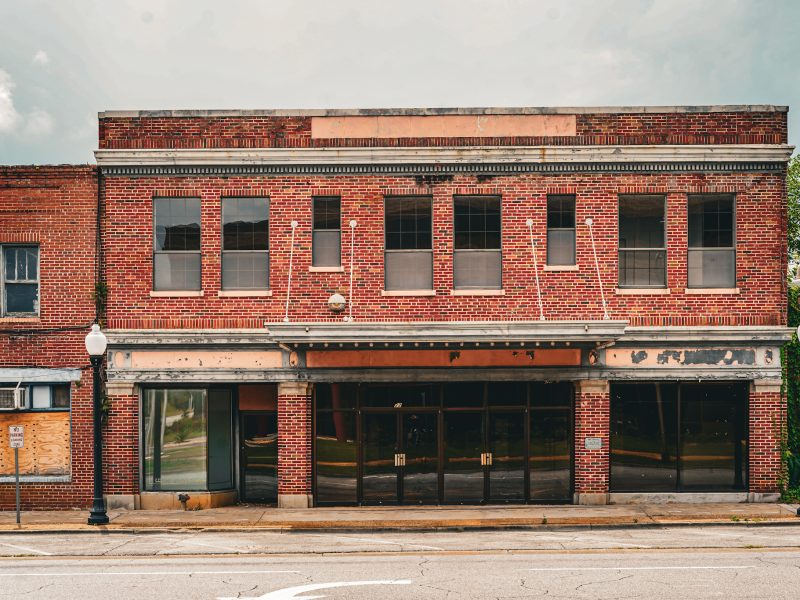
On July 7, the Albany City Commission unanimously approved final construction drawings for a comprehensive restoration of the Ritz Theatre and Cultural Center, clearing the way for the project to move into competitive bidding after years of planning and preservation efforts. The decision marks the latest chapter in a decades-long effort to preserve one of Southwest Georgia’s most significant African American landmarks.
