
Georgia Department of Public Health officials promote West Nile awareness
Georgia officials report around 20 human cases of West Nile virus, including three deaths
Staff Reports
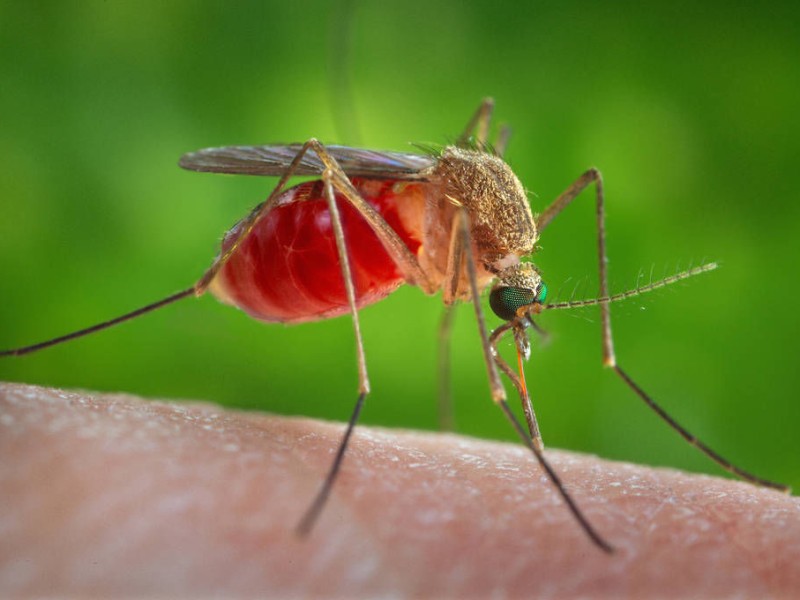
ATLANTA – The Georgia Department of Public Health has confirmed nearly 20 human cases of West Nile virus so far this year, including at least three deaths, prompting a push for awareness.
DPH is urging Georgians to protect themselves from mosquito bites, especially when they are outside for the Labor Day weekend.
“Georgians can reduce the number of mosquitoes around their homes and yards by getting rid of standing water,” Chris Rustin, DPH director of environmental health, said. “Standing water is a breeding ground for mosquitoes that may be infected with West Nile virus and other mosquito-borne diseases.”
In 2016, seven cases of West Nile were confirmed in humans with no confirmed related deaths in Georgia.
Officials encourage people to “Tip ‘n Toss” all containers that can collect water — flowerpots, buckets, pool covers, pet water dishes, discarded tires and birdbaths — or anything else that holds water and gives mosquitoes a place to thrive. Mosquitoes that carry West Nile virus look for stagnant water to lay eggs in, so gutters and eaves should be clear of leaves and debris.
The most effective way officials suggest to protect against West Nile virus infection and all mosquito-borne diseases, including Zika, is to prevent mosquito bites. The “Five D’s of Prevention” during outdoor activities include:
Dusk/Dawn – Mosquitoes carrying West Nile usually bite at dusk and dawn, so avoid or limit outdoor activity at these times.
Dress – Wear loose-fitting, long-sleeved shirts and pants to reduce the amount of exposed skin.
DEET – Cover exposed skin with an insect repellent containing DEET, the most effective repellent against mosquito bites.
Drain — Empty any containers holding standing water because they are excellent breeding grounds for virus-carrying mosquitoes.
Doors – Make sure doors and windows are in good repair and fit tightly, and fix torn or damaged screens to keep mosquitoes out of the house.
Symptoms of West Nile include headache, fever, neck discomfort, muscle and joint aches, swollen lymph nodes and a rash. They usually develop three to 15 days after being bitten by an infected mosquito.
The elderly, those with compromised immune systems, or those with other underlying medical conditions are at greater risk for complications from the disease. Symptoms typically present in 20 percent of people who are exposed.
Anyone with questions about West Nile or Zika should speak to their health care provider or call their county health department or environmental health office.
Related Articles

Dougherty Jail graduates first class of female GED recipients
“It was an escape. I can say this has been challenging. I want to express my gratitude for being able to attend this program.”

From cotton to cloud: In the data center debate, is rural Georgia once again being asked to carry the cost?
Across much of rural Georgia, the abandoned cotton warehouses and shrinking tax bases remain — enduring reminders that industries built to serve distant markets do not necessarily stay rooted in the communities that first sustained them.

Dawson Council approves $400,000 lifeline in emergency meeting as financial accountability remains elusive
Less than a week after city officials publicly acknowledged the City of Dawson cannot continue operating without additional financing, the Dawson City Council convened a hastily called emergency meeting Tuesday evening and unanimously approved authority to borrow up to $400,000 through a tax anticipation note.
