
Herald Managing Editor Danny Carter calls it a career
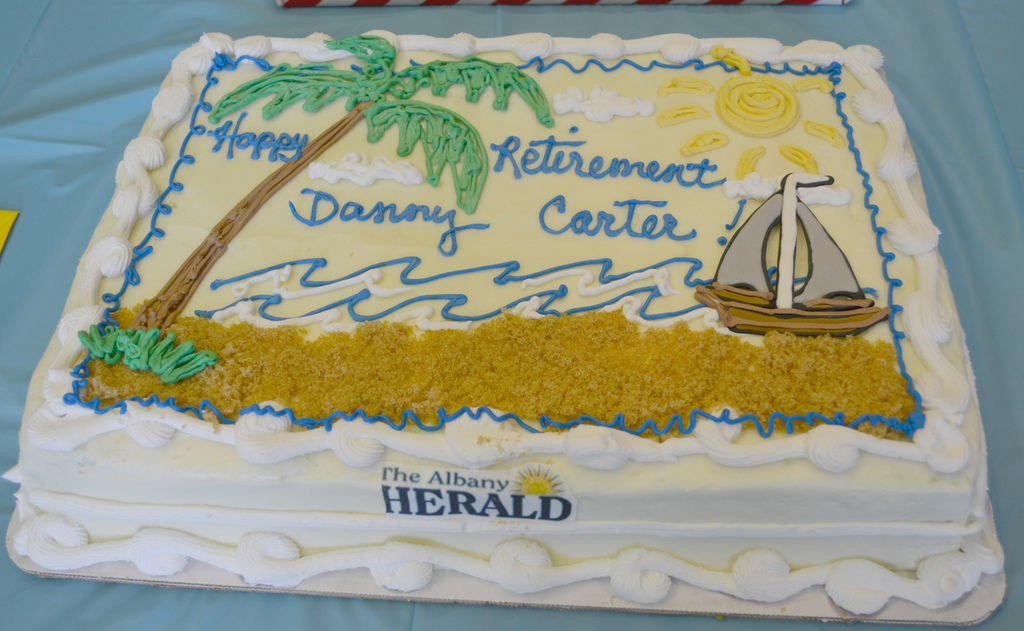
Danny Carter retires after 45 years in journalism
By Brad McEwen
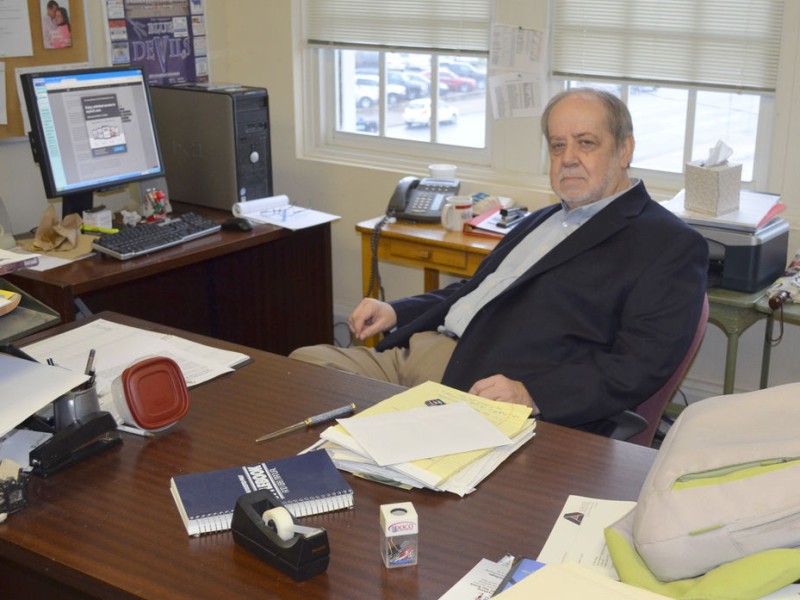
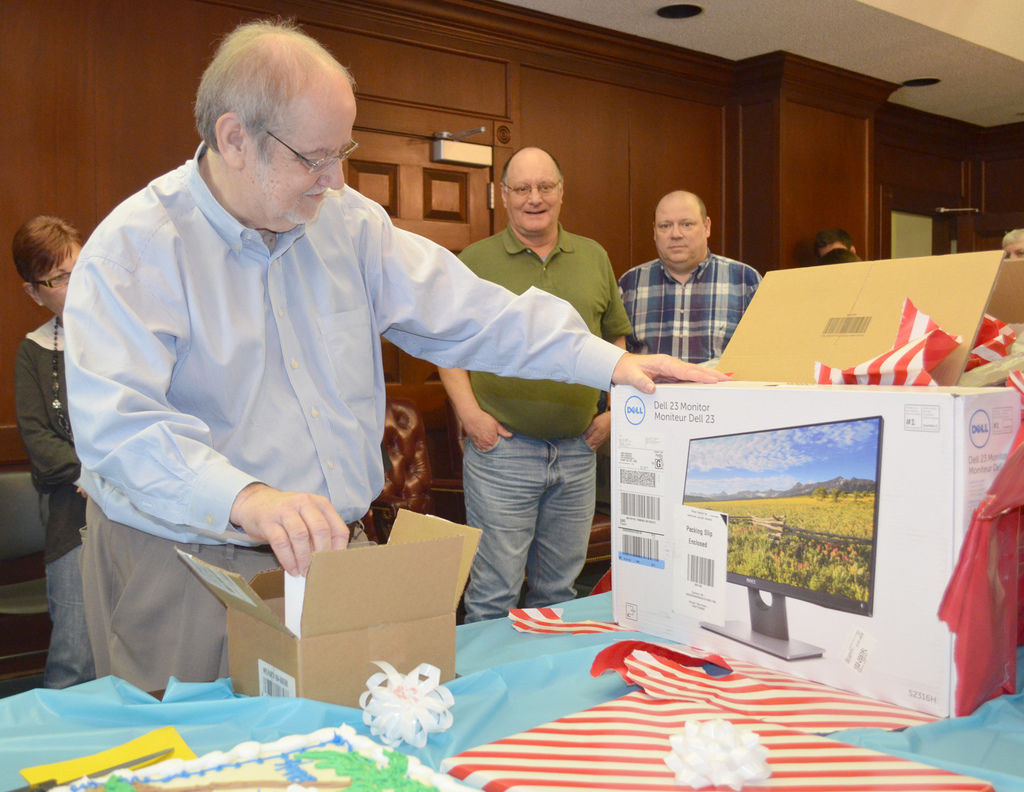
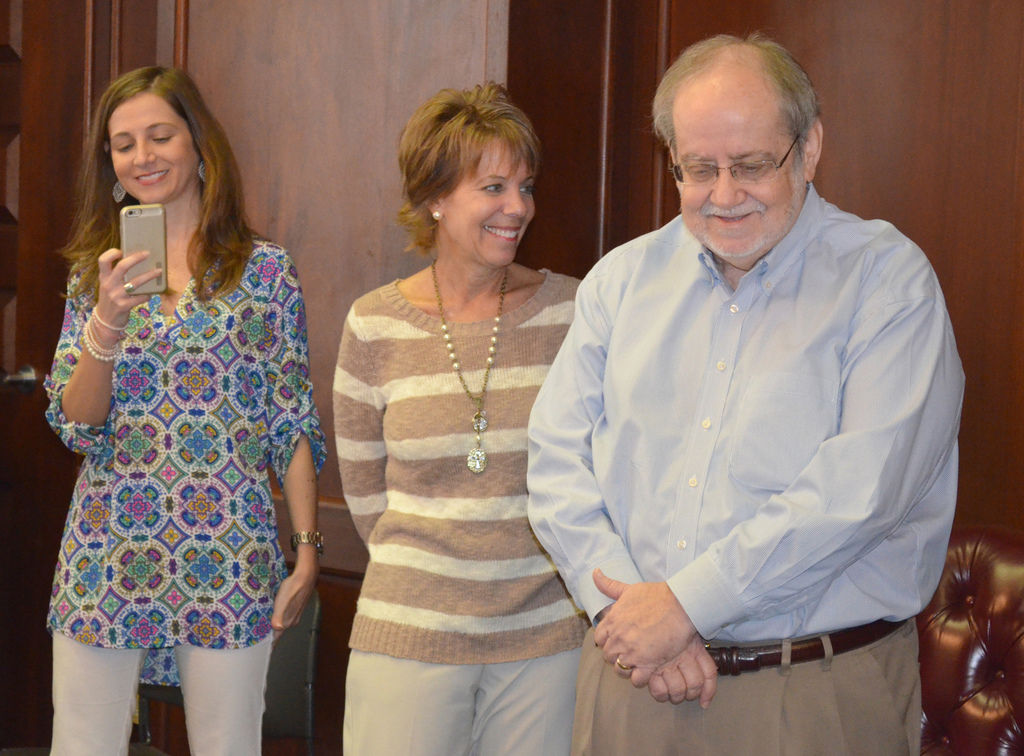
ALBANY — When the second-floor newsroom of The Albany Herald springs to life Monday morning, as it has nearly every day for the last 30 years, there will be one major change. There will be an empty chair and an empty desk, the domain long manned by one of the paper’s most beloved family members, Danny Carter.
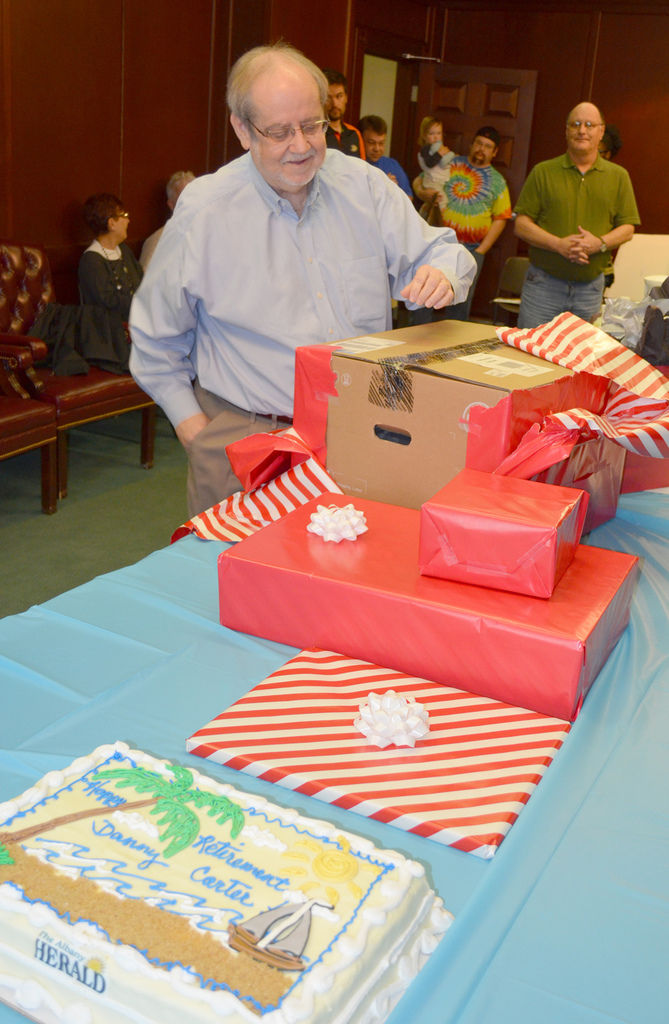
When Carter took his leave of the paper Friday, he effectively closed the door on a long and important chapter of his life, having devoted most of the last four-and-a-half decades fulfilling the mission of a newspaper, which in his eyes “is to inform, educate and entertain.”
Carter has certainly done that and then some during his illustrious career. Along the way he became one of Southwest Georgia’s most respected newsmen.
“Because Danny is a top-notch journalist with integrity as the foundation, he has used these important traits to create a culture in The Herald’s newsroom of fair reporting,” said Michael J. Gebhart, executive vice president of The Herald’s parent company, Southern Community Newspapers Inc. “In a world of media that seem to care only about awards or ratings, his influence has helped contribute to the legacy of quality reporting for which The Albany Herald is known”
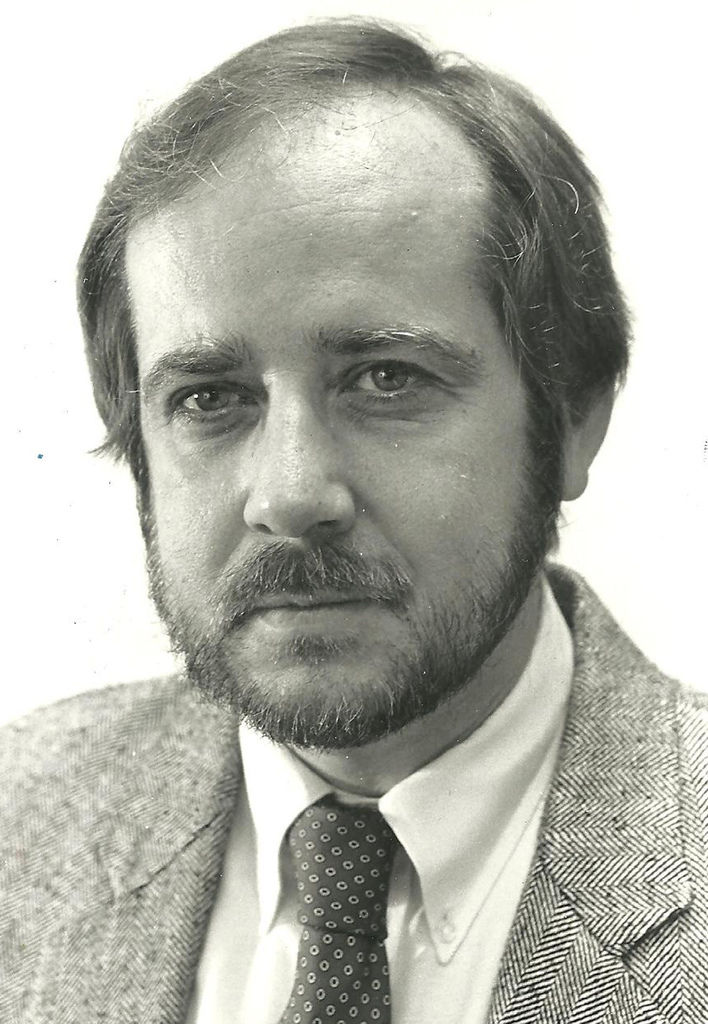
From a part-time job as a sports writer for the Tifton Gazette while studying journalism at Abraham Baldwin Agricultural College in his late teens to stepping down as the Herald’s Managing Editor on Friday, Carter has proven time and again that he is, without question, a real newspaperman, a fact not lost on those who have worked closely with him.
“He is a true newspaperman,” said his long-time colleague, photographer Todd Stone, who worked with Carter both in Tifton and Albany. “He’s a dying breed. His generation of newspapermen and women is just about extinct.”
Barbara Rivera Holmes, who not only worked with Carter for roughly six years in The Herald newsroom but has also dealt with Carter in her capacities with the Albany Dougherty Economic Development Commission and the Albany Area Chamber of Commerce, agreed.
“True journalism is something that’s not reserved for everyone,” Holmes said. “Danny comes from that. He’s just a good newsman. Every reporter wants to be called a good newsman and really he is.”
Carter said he chose to work at the newspaper for practical reasons, chiefly that he “read newspapers” and that he thought working as a sports reporter would be a great way to indulge his love of athletics.
“I have always loved sports and thought there could never be a better job than having someone pay you to go to a ballgame,” Carter said in an interview on the eve of his retirement. “Sports drove me to the business.”
He eventually transitioned to covering other aspects of the news, but his love of sports, especially baseball, is evident to this day, particularly to those who have worked closely with him over the years.
“On a personal note, I’ll miss having dialogue on a regular basis about baseball,” said Gebhart, who counts Carter as a friend. “Danny is a real student of the game and an ardent baseball historian.”
Although his love for baseball hasn’t waned over the years, it was a bigger love that drove him from the late nights and weekends required of a good sports reporter — love for his wife, Pam, and his daughter, Abbey.
“I soon realized covering late-night games and talking to grumpy coaches was not as glamorous as I envisioned,” Carter recalled. “Really, it was the hours that motivated me to find other jobs in the business.
“I never lost my love of newspapers, but I did want something that allowed me to have a somewhat normal schedule.”
That commitment to family has remained precious to Carter, who repeatedly brings up his loved ones when talking about his life and career.
“(Family) dominated everything I did,” Carter said. “I didn’t have a lot of hobbies that took me on the road or took me away from family. I can’t imagine going on some kind of vacation that we didn’t have our daughter with us. It’s what makes me happy, what makes me comfortable.”
Family is still figuring into his plans. Carter said he expects to spend most of the next few months at Abbey’s beck and call as she prepares to marry her fiance, Brian Jack.
“Our daughter, Abbey, is getting married in July, so I plan to be her errand boy until then,” Carter said. “Whatever task she trusts me to handle, I’m on it. I also look forward to being able to spend more time with Pam. I’m sure we’ll be spending some time in Arlington, Va., where Abbey and Brian will be residing.”
Carter’s devotion to his family has also been evident to his co-workers, as several of them mentioned that when talking about their friend.
“Danny is a big family man,” said former Herald Executive Editor Dee Maret. “I follow him on Facebook, and he’s so close to his wife and his daughter.”
Family was on Gebhart’s mind, too, when Carter informed him of his decision to retire from The Herald and SCNI.
“I had mixed emotions,” said Gebhart, who previously served as Herald publisher. “I was saddened for The Herald and the readers of the newspaper, but delighted for Danny, Pam and Abbey. To know he’ll have more time to enjoy his family is fantastic. I rejoice with the Carters.”
Still, those at The Herald say they will miss Carter’s daily input and influence. Herald Editor Jim Hendricks, who’s worked with Carter for nearly 30 years at the newspaper, said Carter has been a cornerstone of the news organization.
“I knew I could depend on Danny,” Hendricks said. “I always thought we made a pretty good team. Danny’s the kind of guy you can count on, regardless of what came up. I’ve got a great deal of respect for his ability and judgment.”
Hendricks said he was fortunate to work with Carter, who he said has been a mentor over the years.
“Danny’s a great guy and friend,” he said. “It’s rare to get to work together with a person this long in our business. It’s been a privilege and an honor.”
Carter’s fingerprints are all over The Albany Herald. As a reporter, Carter said, he was able to excel mainly because he understood what it took to report the news.
“I think curiosity is as important as anything,” Carter said about reporting. “You need to be able to write and you need to be able to report and you need to be able to know. But you’ve got to have enough natural curiosity to want to know. Because if you want to know something, chances are people that read the newspaper want to know, too.”
Those who know him well say Carter’s true gift as a reporter is his versatility.
“Whatever assignment was needed, whatever we need to do, Danny could do it,” said Maret.
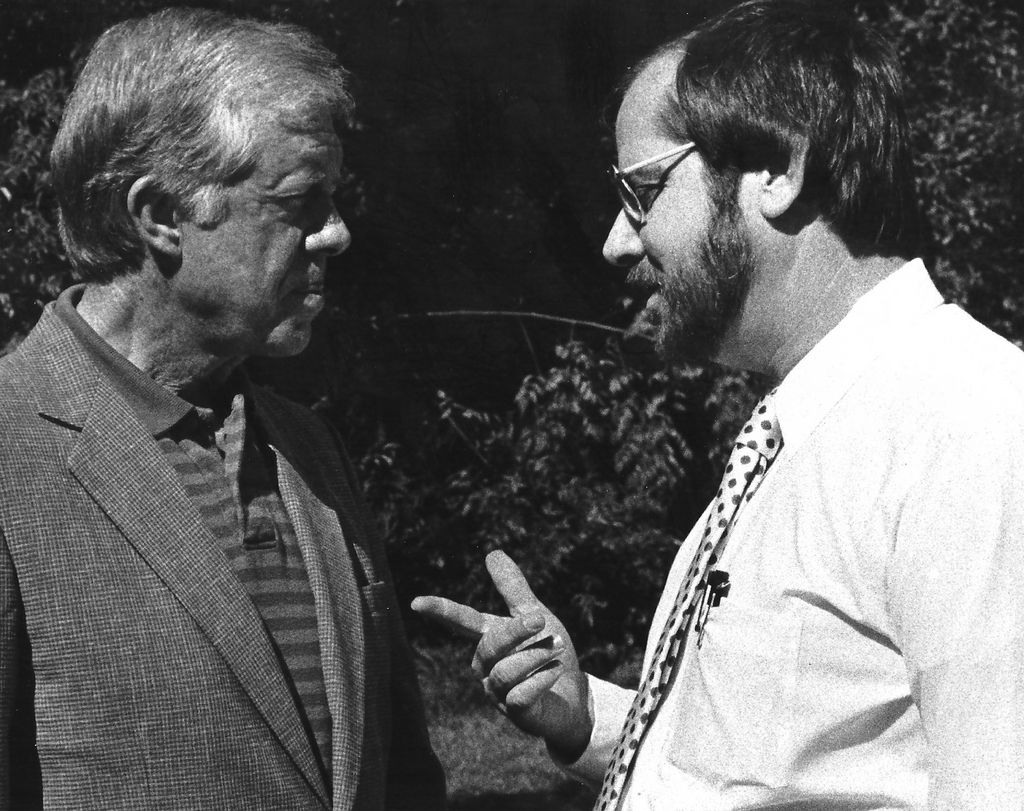
“It didn’t matter what the assignment was,” added Gary Boley, The Herald’s publisher from 1997-2005. “He could interview the president or a child in the first grade. Danny could handle it all.”
Carter said reporting was something he enjoyed. It allowed him to interact with a diverse cast of characters.
“What I liked about reporting was that there was a lot more variety in the day-to-day work,” Carter said. “You were talking to different people, you were getting out of the office, and you were seeing people, meeting new people. That’s one good thing about a newspaper. When I moved to Albany, I knew just a handful of folks. But when you’re working on a newspaper staff, you find that you become aware of a lot of people in a very short time.”
Eventually, however, it was time to move into editing roles, something Carter did for “three-fifths” of his career. That change brought with it new challenges and rewards, but family once again factored into his decision.
“It’s a natural progression and, at some point, editing allows you to put more of a stamp on the product,” said Carter. “The cold, hard facts (however) are that it improves your life financially. If you want to provide for your family better, you either go to a large market where they pay reporters more or you become an editor.”
Although he was tempted a time or two to look into different markets, he ultimately stayed in Southwest Georgia for a very Carter-like reason.
“I’ve always been content,” Carter said. “I have family in the area and I enjoy living near family. I’ve always believed you can be happy wherever you want to be. And if there’s some advantages like family nearby, then why not be happy where you are? Another factor was that my wife was happy in her job, my daughter was happy in her school and I was not unhappy. So why move?”
Not only did Carter become an editor, he excelled at it.
Both Boley and Maret referenced the daily reader vent column Squawkbox when talking about Carter’s ability as an editor, saying one of the reasons the idea worked so well is the fact that Carter was involved.
“When Dee Maret and I conspired to create The Squawkbox, one the things I remember Dee saying is ‘It can only be edited and handled by the best editor; this cannot be handled by a rookie,’” Boley recalled. “And we just said, ‘Aw, shucks, we’ve got Danny, we’ll be fine.’”
For his part, when talking about being an editor, Carter is typically humble, saying that aside from having to become more organized, any success he experienced came from his ability to know what not to do.
“I think you have to change your mindset so that you don’t try to make everybody’s story sound like your story, to let them have their own voice,” explained Carter. “If you change things, it’s to make it a tighter story that’s easier to read and grammatically correct. There’s certain editing things that I learned as a reporter that I would work into the stories sometimes when that reporter’s voice might be just as good, so I have to guard against that.”
While Carter’s skill at editing played a large part in forging his legacy as an editor, his ability to understand what stories needed to be told, and when, also stands out in the minds of those he inspired.
“Discernment is something that comes naturally to people,” Holmes said. “News judgment, that’s a skill that you develop over time. There’s great power in media, and with the longevity that Danny has you have someone who has great respect and understanding. It’s a lot of responsibility.”
Holmes pointed to Carter’s ability to remain calm under pressure as a one of the traits that’s served him well during his 45 years in the newsroom.
“He’s very calming, and that was always a good balance in the newsroom,” Holmes said. “Newsrooms can be hectic; they can be full of personalities that can be volatile at times. Every day is a deadline, so that can create a lot of urgency that can create stress. Danny was always a calming influence with the pressures of daily deadlines, sometimes multiple deadlines.”
Boley agreed.
“Things in a newsroom can get tense, but you could look over at Danny and he was always calm,” he said. “In fact, if I ever did look over and he was upset, that’s when I’d panic.”
Carter is more pragmatic about his level-headedness.
“It’s just not in my nature to be hot-headed,” he said. “I think a lot of it was natural. There’s a saying, and I can’t remember (it exactly), but you learn more by being quiet. I learned that being excitable and losing control never paid off and made things worse.”
Be it his nose for news, his skill with words or his ability to instill confidence in the newsroom, one thing is clear to many of those who have worked for and with him throughout the years — he was, at heart, an all-around good journalist.
“He is equally talented in his writing ability, his reporting and his editing,” said Boley. “He has tremendous judgment. You can spend an entire lifetime in the newspaper business and only encounter a handful of people like Danny. His temperament, his ability, his knowledge, you just can’t find that combination that Danny has very often.”
While his journalism skills allowed Carter to have a hand in getting countless stories ready for print, most of those who have worked with him are quick to point out the type of person he is. Asked to share one of two words that come to mind when they think of Carter, those colleagues offered words like “calm,” “gentle,” “caring,” “kind,” “good humored,” “pleasant,” “nice,” “character,” “integrity” and “solid.”
Maret, who worked with Carter from 1999-2004, likely summed up the general feeling about Carter as well as anyone saying, “Not many people are as good on the inside as they are on the outside.”
While readers of The Herald will certainly miss reading his byline, Carter says he will miss the people he’s gotten close to in the newsroom and in the community.
“I’m going to miss the people,” said Carter. “I’m not the most gregarious and outgoing person, but I do enjoy being around people, both in the building and the people that walk in. It’ll be an effort to make sure that I still stay in touch with people and see them, and see new people. That’s not a problem at the newspaper. You see new people every day.
“One other thing I’ll miss — and I think it plays into the curiosity thing, and just being plain nosy — is knowing things before other people know it. I know something that not a lot of people know yet.”
That may be true, but those who have worked with him know something, too. That in Danny Carter, they’ve found a more than capable leader, a treasured colleague and a cherished friend.
“Danny is one of the best people I’ve ever worked with,” Maret said.
“It was a real pleasure to work with Danny, he’s a great guy, he really is,” Boley added.
“There are some people you just can’t say enough good things about,” Hendricks said. “Danny’s at the front of that list.”
The platitudes are numerous, but Holmes likely summed up the feeling most people have about him, saying, “I love me some Danny Carter.”
Related Articles

Albany recycling center enacts material separation rule
Mixed items will no longer be accepted at the Albany recycling center at its 2521 Meredyth Drive facility. Individuals will now be required to separate items befor they will be accepted.
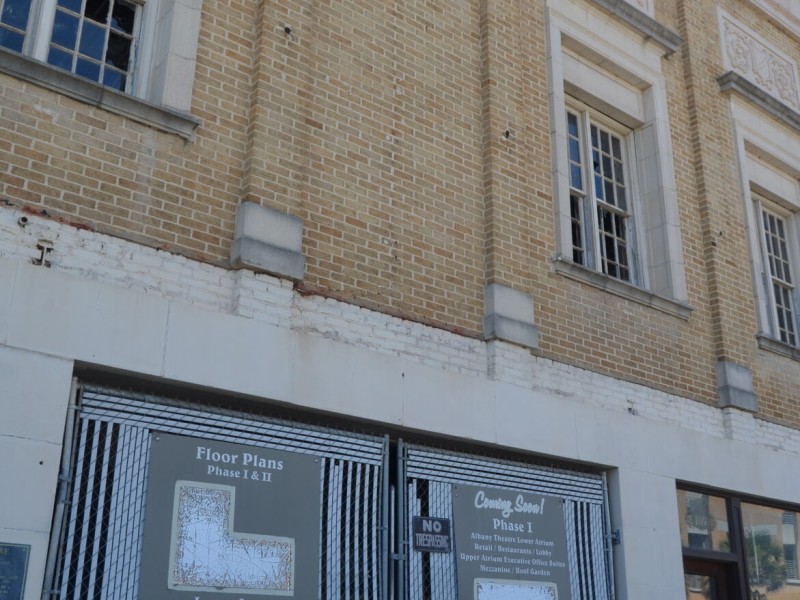
Albany City Commission takes action on proposed downtown hotel, two theater renovation projects
“We’re taking the original building back to, hopefully, it’s glory days. One of the cool things about the project is we are going to restore the balcony. It’s going to have a balcony, so it’s going to be super cool.”
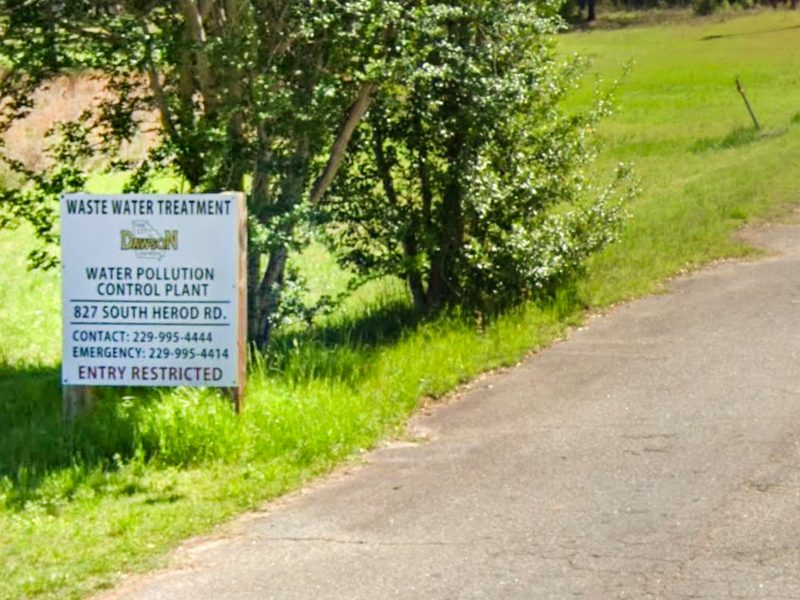
Dawson’s $10.2 million sewer project leaves major financial questions unresolved
As Dawson’s finance director resigns and operating pressures mount, records show $10.2 million in sewer funding, frozen loans, missing audits and gaps in the public accounting of project money.
