
Improper dumping a problem at Lee County landfill
County weighing options to curb improper dumping at landfill
By Brad McEwen
LEESBURG — In an effort to curb improper dumping in the county’s inert landfill, Lee County officials are working on a new policy that could hit offenders with fines and are considering the possibility of banning them from landfill access.
When the Lee County Commission meets June 14, its members will be asked to review a new policy that provides a tiered system for encouraging county residents to properly dump certain materials in the right place on landfill property.
According to Mike Sistrunk, Lee County’s Public Works director and interim county co-manager, the need to address the situation stems from a growing problem where landfill users are not sorting their materials and are simply dumping whatever they have in one location.
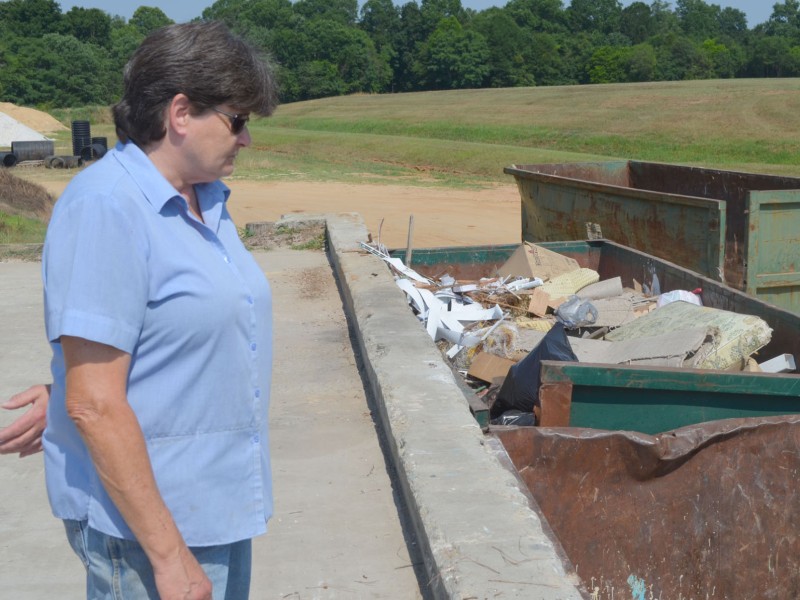
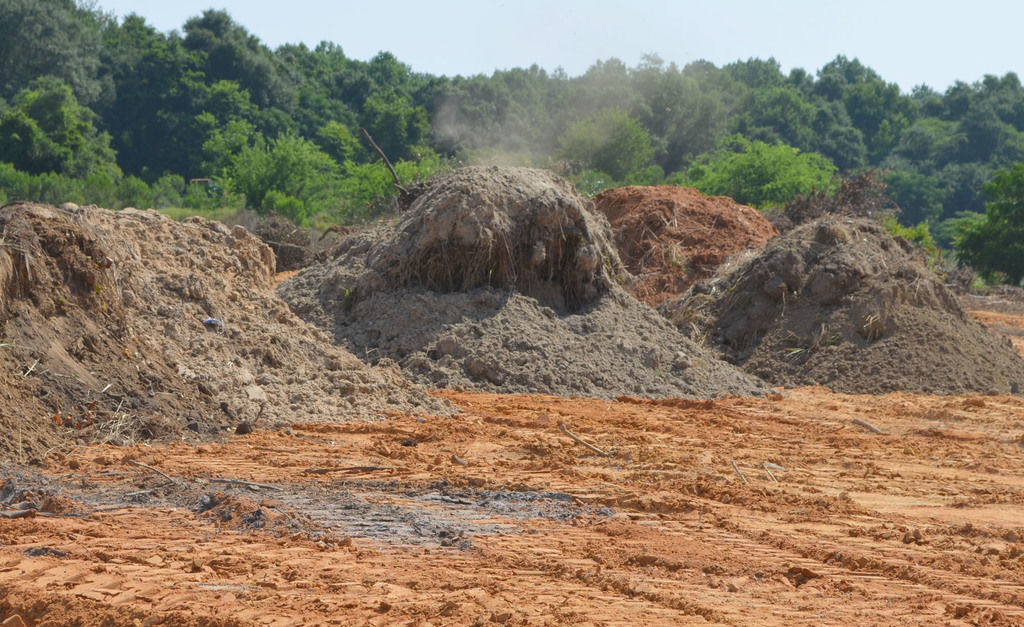
The county landfill is primarily an inert landfill where residents can dump things like tree limbs, leaves and grass, that are then covered with dirt. However residents can also temporarily deposit other types of materials that are ultimately picked up by Trans Waste Services and taken to a permanent landfill.
“We’re what they call a transfer station,” said Sistrunk. “Folks dump stuff into the Dumpsters, then we have Trans Waste come and haul the Dumpsters off.”
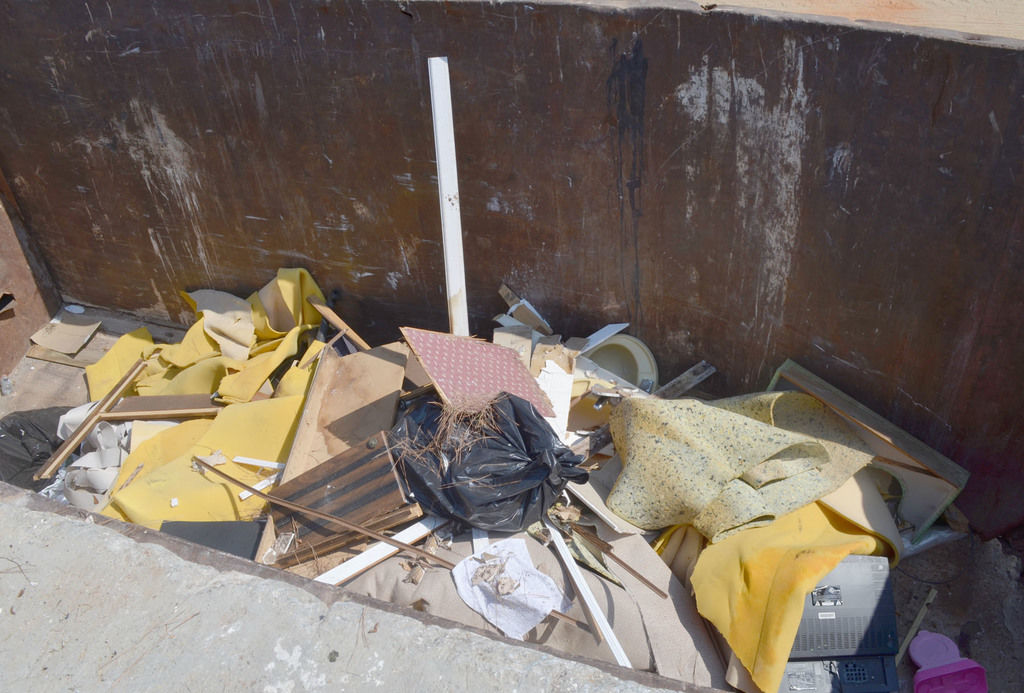
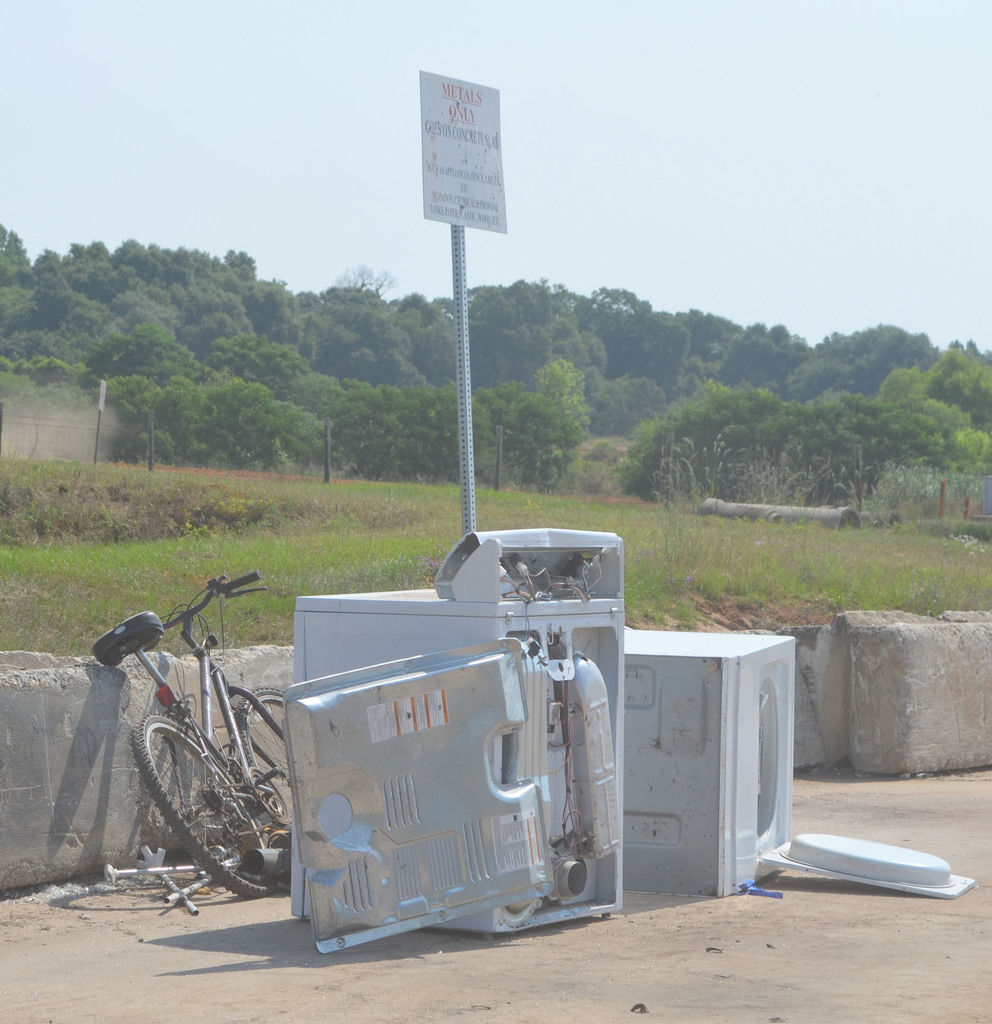
In its transfer capacity, Sistrunk said the landfill can accept items such as appliances, wood, metal, paper, shingles, furniture, construction debris, Sheetrock and plastic, but that some of those items need to be separated to be properly disposed of.
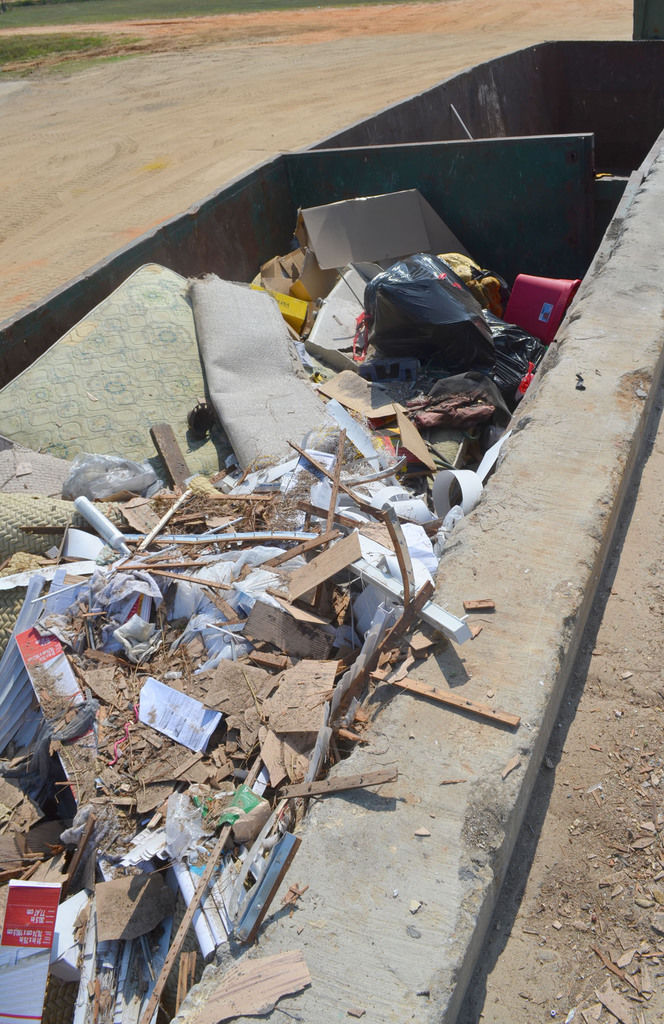
“What happens is a lot of times what people do is they go in there and back their trucks up to the Dumpsters and just dump whatever they have,” Sistrunk explained. “Then we have to get the landfill attendants to go in there sometimes and get metal or debris that’s unacceptable to Trans Waste out of there.”
Sistrunk said that it’s an extra cost from a personnel standpoint to have someone sort the materials, but that it’s even more expensive if Trans Waste has to do it. The company passes that charge on to the county.
“It’s just a cost that we don’t have to have,” said Sistrunk. “People pay enough in taxes without them having to pay for things where people just didn’t do the right thing.
“It’s dangerous, too. You’re asking somebody to crawl into a Dumpster that you don’t know what’s in there. There’s metals, there’s glass, there’s boards, there’s nails, plywood, and they’re literally having to crawl through this stuff to pull out stuff because somebody went over there and threw in, for instance, a washing machine. If we don’t do it, then we have to pay a bill when Trans Waste gets it and they say, ‘You know, we had to go sort your stuff out, so now we have to add more to your bill.’”
It’s Sistrunk’s hope that situations like those will be prevented by the new policy, which he said he feels the commission will accept.
“One of the things that we’re doing is we’re going before the commission to actually have a policy in place that would say, ‘If you’re not going to follow the landfill directions, we’re going to have to take actions such as either fining you for illegal dumping or asking you to fix it,’” said Sistrunk. “We’re working on it now, and it will be on the June 14 agenda.”
If the policy is accepted, it will allow landfill personnel to use progressive disciplinary actions that can ultimately lead to fines or to a customer being prevented from using the landfill.
Under the proposed policy, the first time a person is caught improperly dumping materials, he or she will be given a verbal warning and asked to clean up the mess they’ve made. If they refuse to comply, it will be notated on the customer sheet that everyone who uses the landfill fills out.
The second time a person is caught improperly dumping, he or she will be assessed a $100 fine that will have to be paid before that person can use the landfill again.
“And if it continues, we have the right to suspend their services and not let them out there because of their consistent, illegal dumping in our landfill,” said Sistrunk. “We’re going to have to get that approved through the commission first, but I’m hoping that’s the policy they adopt.”
Sistrunk stressed that the policy was not being suggested in order to make it difficult for residents to dump their waste, and that the overwhelming majority of those who use the landfill do what they are supposed to.
“We’re here to help out the county, and we want to help the county citizens, that’s what we’re here for, but if it’s a couple of people messing things up, it shouldn’t be all the citizens having to pay to rectify a problem,” said Sistrunk. “That’s my opinion. And 99.9 percent of the people are really good about helping and doing what they’re supposed to.”
Sistrunk also explained that one of the main reasons the county landfill, and the landfills that Trans Waste takes debris to, have such strict rules is due to regulations imposed by the Environmental Protection Agency.
“There’s so many rules and regulations about how to run this thing that we have to make sure everybody abides by the rules,” said Sistrunk. “I want to make sure that we stress to the citizens that we’re not out there trying to fuss at anybody. We want to do the right thing, not only for the county but for the citizens and the environment.”
Part of that commitment means making sure county residents understand what types of materials are accepted, or not accepted, at the landfill.
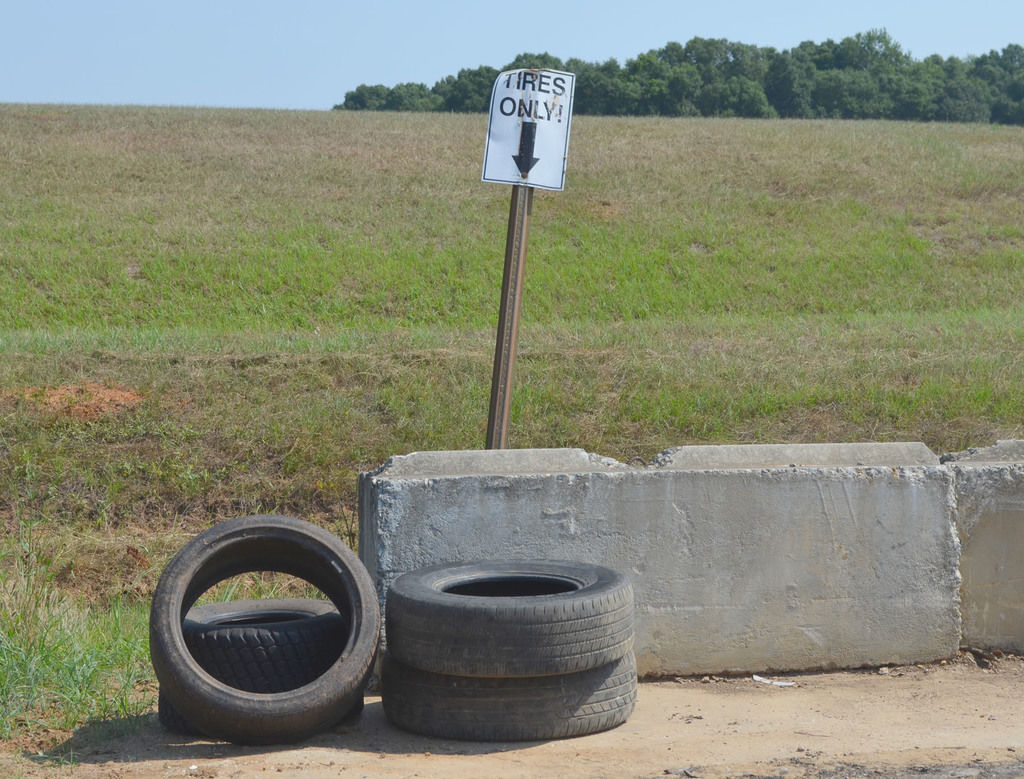
Although they can’t be kept at the landfill, residents may drop off old tires, which are disposed of for a fee based on the tire size. Residents can also dump old televisions and computer equipment to be recycled.
Certain items such as chemicals, paint cans, hazardous materials, grease, oil and batteries cannot be dumped at the landfill, but the two landfill attendants pass out flyers to everyone who comes to the landfill listing area locations where those items can be properly disposed of.
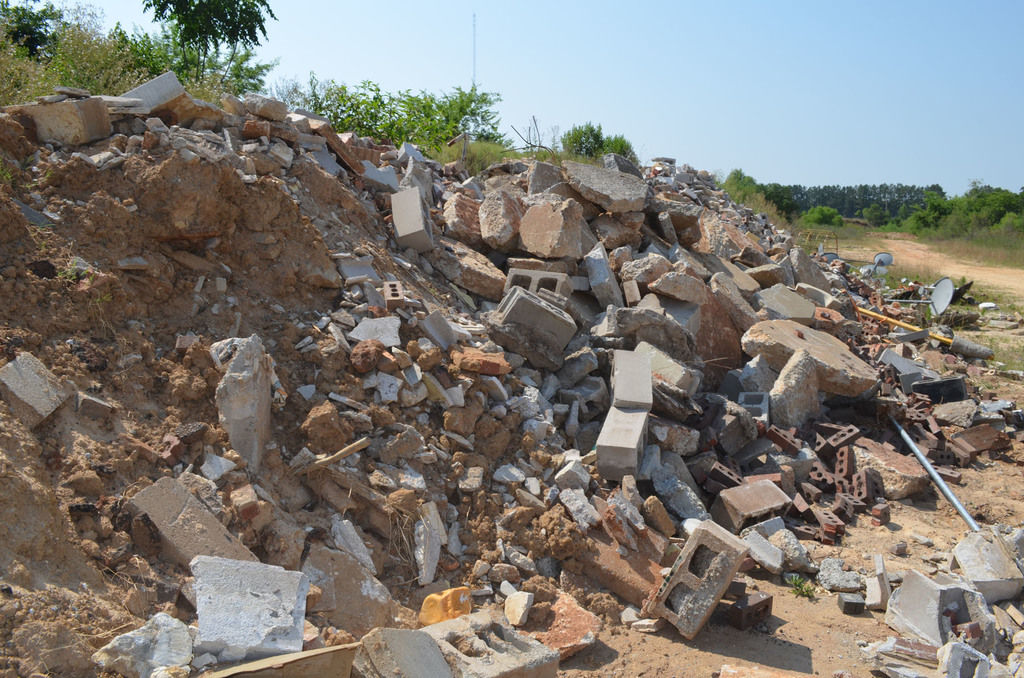
Household garbage is also not accepted at the landfill, but residents and businesses can dump pieces of concrete.
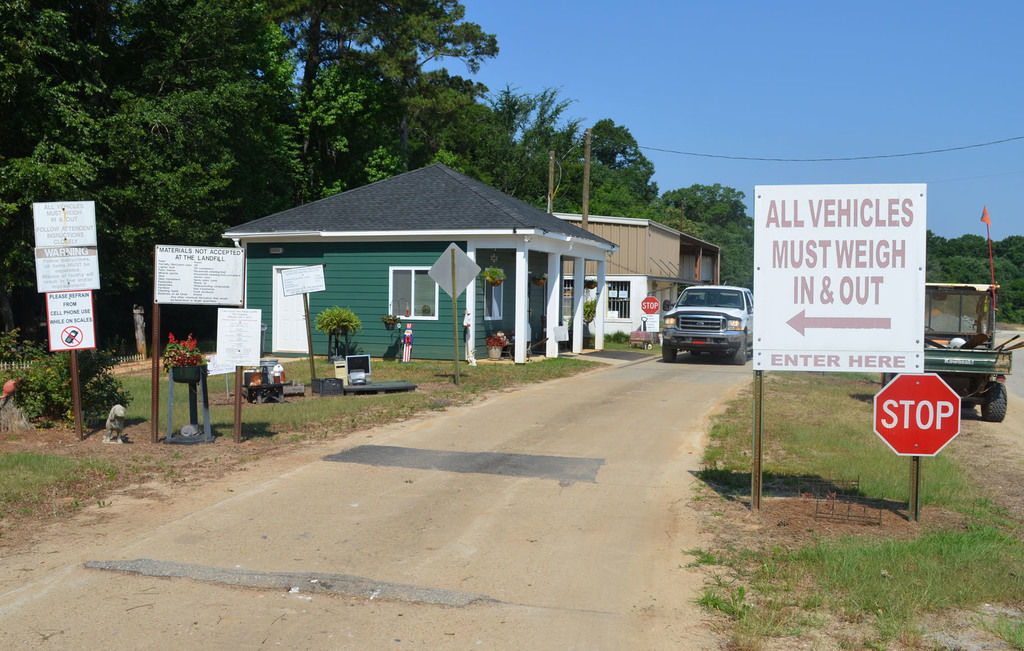
For items that are accepted, residents are charged 3 cents per pound, which can be paid using cash or credit card. Anyone using the landfill must be able to show proof of residency, and commercial customers must be able to prove that the waste was generated in Lee County.
Anyone who has questions about dumping waste in the Lee County inert landfill can contact landfill personnel at (229) 759-6009.

Related Articles

James Rubino installed in new role at Marine Corps Logistics Command in Albany
James L. Rubino recently assumed the role as executive deputy of Marine Corps Logistics Command in Albany. In his new role he will oversee integrated logistics support.

Rain depresses voter turnout in Dougherty County
“A lot of people don’t vote when it’s raining. People don’t do a lot of things when it’s raining.”

City of Albany faces shortfall for police, fire salaries
“We can’t tell staff to hire more police officers and then complain at what it costs.”

