
Lincoln Housing makes Marine Corps Logistics Base-Albany families feel at home
Lincoln Military Housing manages 110 homes at Marine Corps Logistics Base-Albany
By Jennifer Parks
This is the 23rd installment in a series highlighting the individuals and entities connected to Marine Corps Logistics Base-Albany.
MCLB-ALBANY — Military families are among the most mobile in the United States and, like other families, they need a place to hang their hats when they move into a new town.
At Marine Corps Logistics Base-Albany, that responsibility largely falls with Lincoln Military Housing.
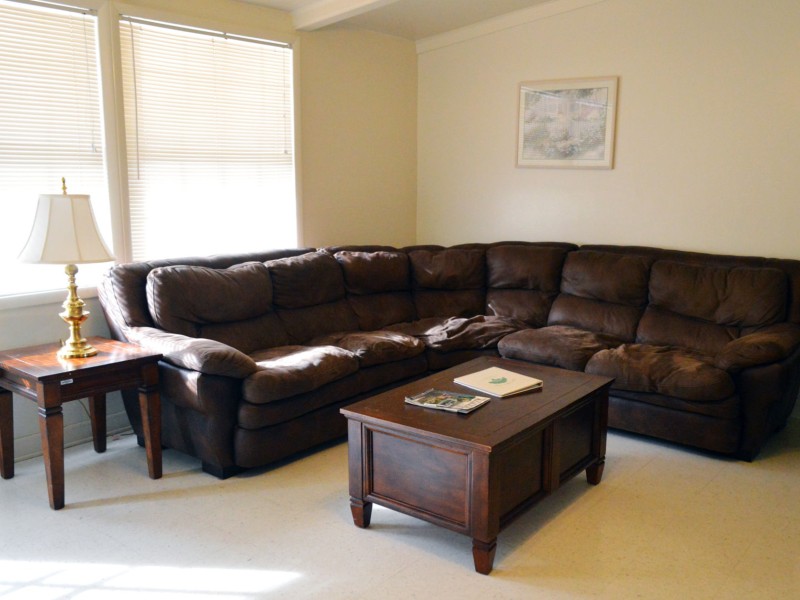
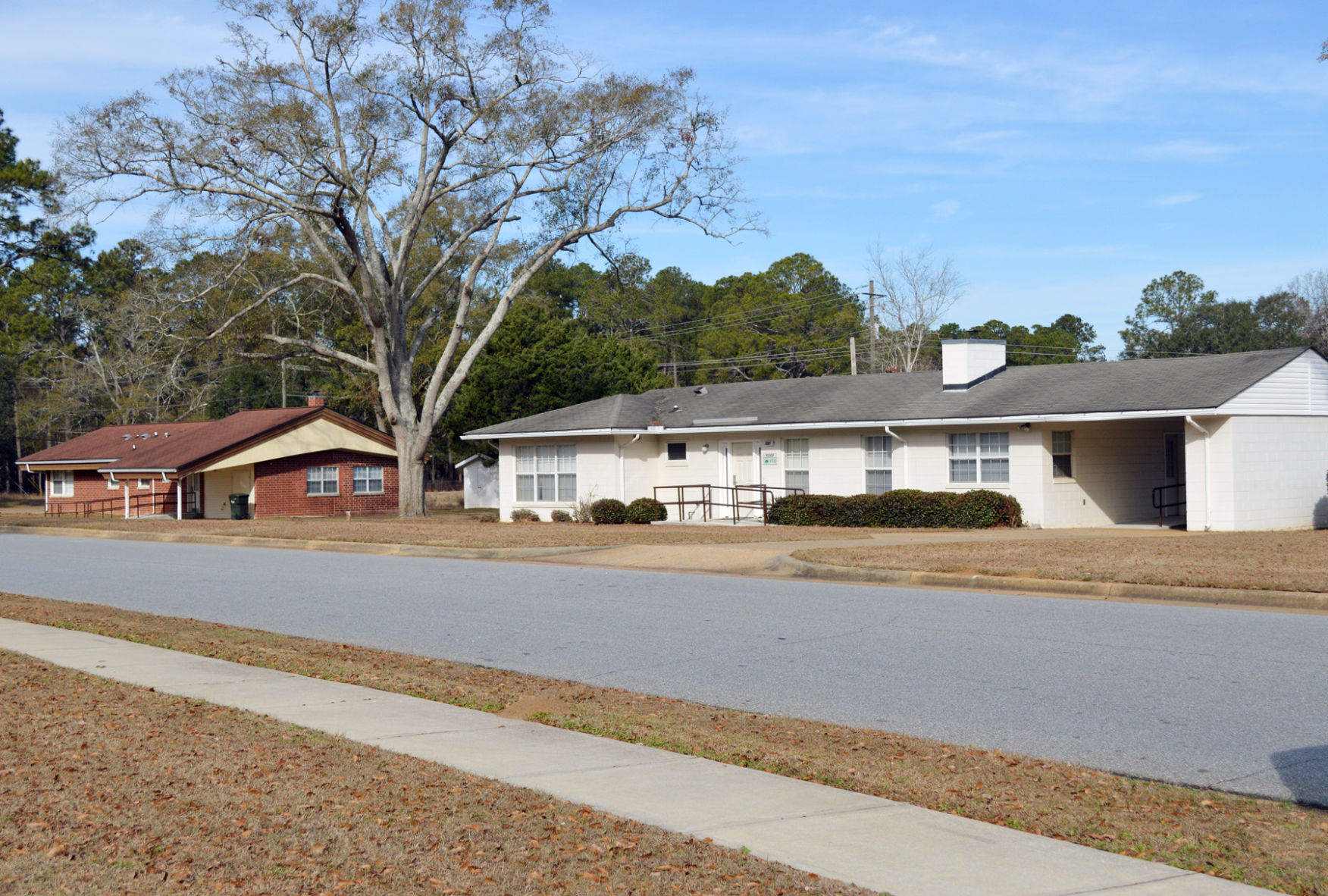
Randall Kennedy, the housing officer at the base, said the accommodations include family housing, fully-furnished transient housing, and barracks for single Marines. The transient housing, consisting of some of the old housing structures on base, are most often utilized by families whose homes are not ready yet or those on temporary assignment.
A referral agent helps potential residents get connected to a home suitable for them. The agent usually starts by pulling the inbound roster of Marines coming into MCLB-Albany.
“She reaches out to them and sends a housing application,” Kennedy said.
In 2007, the housing at the base was privatized. At the time, the installation had 250 units — many of which were as old as MCLB itself. Lincoln signed a 50-year lease to the land, and many of the 250 units were demolished to make room for 110 houses that were opened to families in October of 2009.
Kennedy said the old units were 1,800 square feet at the high end — with the “high end” set aside for senior personnel — and had carports, as well as a range from two to four bedrooms. The new houses that were built include two-car garages, three or four bedrooms with 1,800-square-feet residences being among the smaller units. They also have modern amenities that would be found in a house outside of the base’s perimeter.
When the referral agent establishes contact, Kennedy said, the agent will ask about a family’s specific needs, educate them on what the base has to offer, and screen and qualify them. There is a two-pet limit, with certain breeds not allowed on the base.
He added that incoming parents, aside from housing arrangements, are also concerned about which school their children will be going to, which is why that is included in the information provided to incoming Marines.
“The base has an agreement with Lee, Dougherty and Worth counties; they have school choice,” Kennedy said. “We provide that information and put their mind at ease. (MCLB military families) don’t have to be in a particular county.”
Once the necessary hurdles have been crossed, Kennedy said Lincoln will then reach out to the applicant and make an offer if there is a house available for them. If they accept, a move-in date is agreed upon and a lease is signed.
“We make sure they know we are their advocate,” he said.
Sometimes there is a waiting list, in which case the incoming family may be placed in transient housing. Kennedy said the advocacy role can often involve intervening with the landlord — which is Lincoln — when an issue arises.
He added that paygrade of an incoming military family is a factor for housing, whether they are enlisted or an officer. There are separate communities broken down by paygrade, and a higher rank typically means a bigger home.
When the homes were government housing, the money for them was appropriated by Congress. Those homes were older, and the privatization allowed for newer, more modern homes.
The result, Kennedy said, has been a “tremendous boost to morale.”
“It has definitely enhanced quality of life,” he said. “The process of quality of life ranks very high on the totem pole.
“(It helps that) Marines know they have a safe community they can reside in and, if they are deployed, (they leave) knowing their family is in a safe and maintained quality home. They can focus on the mission, focus on being a Marine. A key part of readiness is quality of life.”
As the landlord, Lincoln responds to maintenance issues when a family submits a request. There is a technician on call 24/7 for emergency issues, and a transient unit can be opened up if the issue temporarily forces the family to relocate.
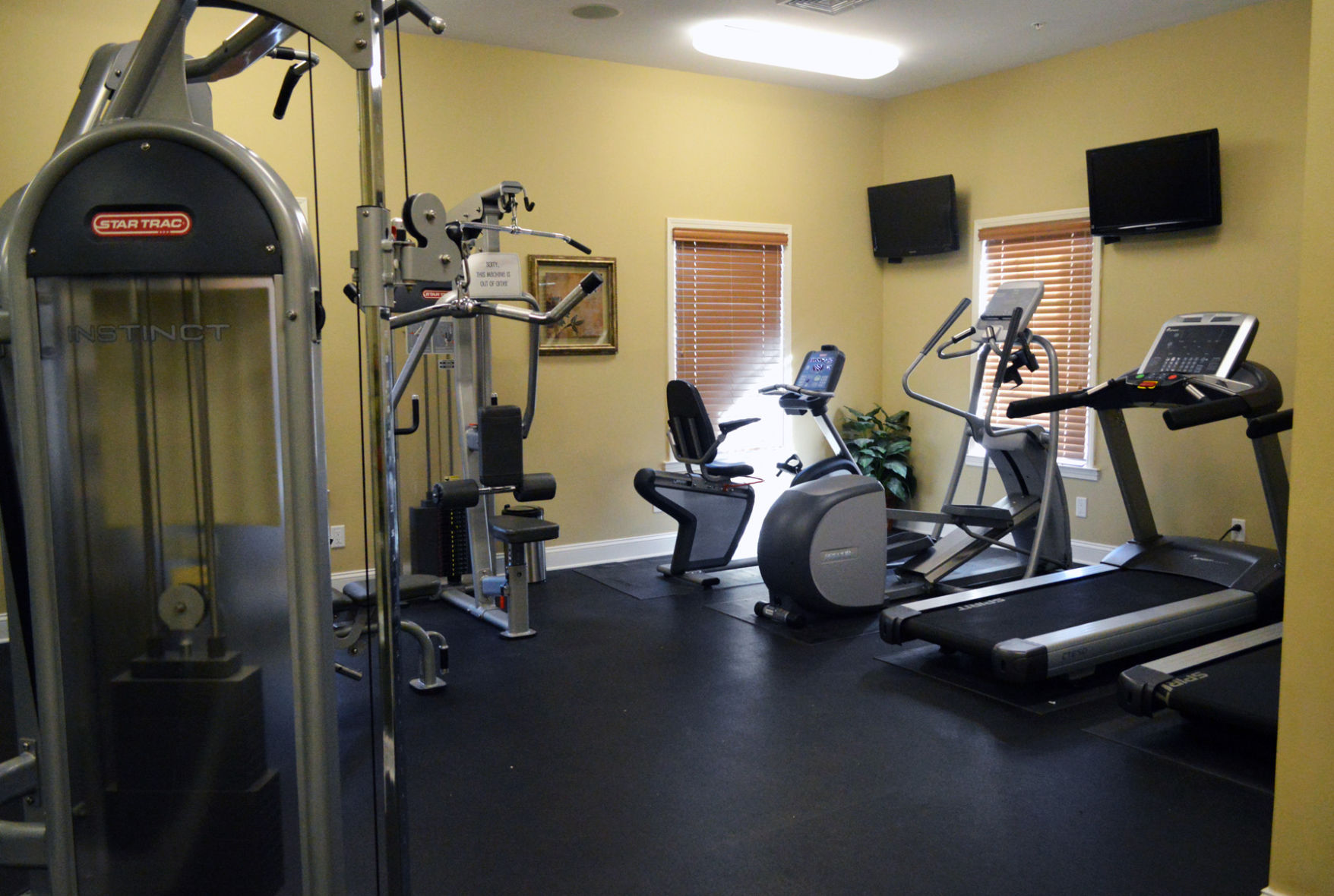
In their downtime, families have access to a teen game center, fitness center, pool, playgrounds, community center and a basketball court. The community center includes a full kitchen, tables and chairs made available at no cost to the resident.
“They can reserve the community center for a private party,” Kennedy said.
He said the center is a common site for special monthly events for the residents, which often includes food, gift certificates and goody bags.
Every two years, a housing market analysis is done by the Department of Defense. It involves sending people to Albany to examine the housing’s footprint. From that, and the manpower at the base, a determination is made on whether expansion is needed.
“It is (currently) adequate here,” Kennedy said. “(With) current projections, we don’t anticipate any requirement for expansion, but things in the military, and the Marine Corps and in the world kind of dictate (those decisions).
“If the need presents itself, the housing requirements would increase and the housing market analysis will identify that. That is when additional building is needed.”
He said since some personnel decide to go outside the installation anyway, the housing provided by Lincoln is not intended to accommodate everyone. In 2011, new bachelor enlisted quarters brought more than in 100 rooms, but changes to the military workforce alter the need for such space — including the deactivation of the Albany Marine Band in 2012.
“It is kind of fluid,” Kennedy said.
The referral agent can also work with DoD civilians who are relocating, gauging what their needs are and looking to see what is available. Help can be offered in make connections with homes outside the MCLB fence line, connections which can often be solidified in a matter of days.
“It eliminates a lot of stress with having to move,” Kennedy said.
The houses include yards, which are maintained by landscapers with the exception of the fenced-in back yard. The transient units are made available to families for $45 a night, Kennedy said.

Related Articles

Federal agency to investigate Monday paragliding fatality
The death of a 63-year-old man who was killed in a paragliding accident on Monday is under investigation by the National Transportation Board, according to Dougherty County Coroner Michael Fowler.

Audit of police surveillance cameras results in arrests of five former APD officers
“The bottom line is when we find people who have misused resources that they have, we’re going to hold them accountable. These resources help fight crime, but we will not tolerate when they are misused.”

New commander takes helm as Marine Corps logistics adapts to evolving battlefield
Brig. Gen. Kevin G. Collins assumed command of Marine Corps Logistics Command during a change of command ceremony at Marine Corps Logistics Base Albany, succeeding Maj. Gen. Keith D. Reventlow after four years leading the organization responsible for sustaining Marine forces around the globe.
