
Mental Health crisis for jails
Officials: One-third of local inmates have mental health issues
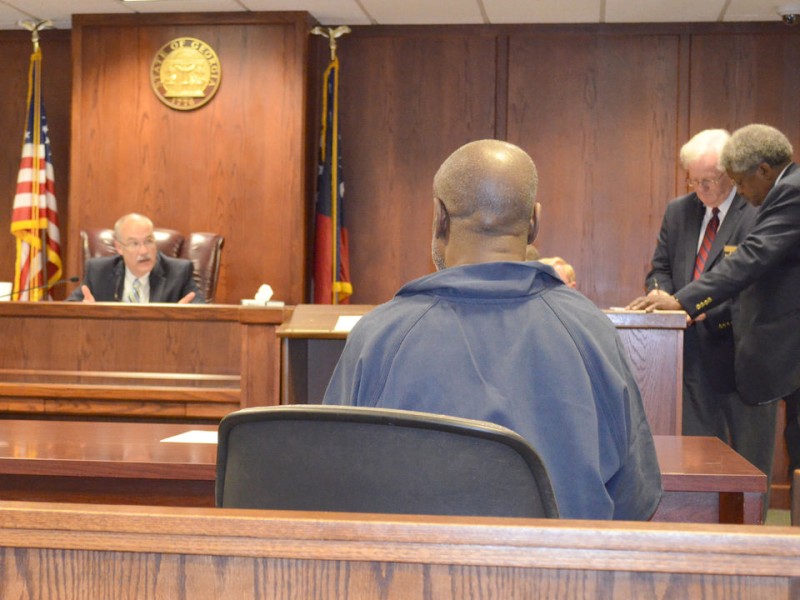
By Jon Gosa
First in a series on how mental health issues impact the local criminal justice system.
ALBANY — More than 33 percent of inmates in the Dougherty County Jail suffer from some sort of mental health disability, according to Jail Director Col. John Ostrander.
“Not to overstate this, but the impact of mental health issues on the judicial system is probably one of the single largest problems that criminal justice is faced with at present,” said Ostrander. “Over one-third of the population in the jail is being treated and or medicated for a mental health issue, over a third. This is not a local issue. It is not a state issue. This is a national crisis.”
Historically, the treatment of mental health and stigmas associated with the issue have lagged behind the treatment of physical health. Many cultures throughout human history have viewed mental illness as a form of religious punishment or even demonic possession. The misunderstanding of, and negative attitudes about, mental disorders persisted in the United States well into the 19th and 20th centuries, leading to often degrading and unhygienic confinement of persons suffering from mental illness.
“The fact of the matter is,” said Ostrander, “while advances in modern medicine have been phenomenal, advances in the treatment of mental health are 30 or 40 years behind. Often, the answer was that we were going to build these large state hospitals, we were going to dump people in there and that is where they were going to stay.”
Not just in Georgia, but across the United States, for many years the institutional inpatient care model, in which the mentally ill where hospitalized and treated by professional staff, was considered the most effective way to deal with the issue. Institutionalization was a welcome relief for many families overburdened by the care of a mentally ill family member. Institutionalized care does increase patient access to mental health services, but all too often state hospitals were underfunded, understaffed and resulted in poor living conditions for those confined there.
“That system was fraught with problems,” said Ostrander. “There was rampant abuse, corruption and different things, and the state ended up closing down a lot of hospitals because they determined that community-level care was better.”
By the mid-1950s, a push for de-institutionalization began with the goal of changing the asylum-based mental health care model to a more community-based care system in which people who suffer from mental disorders could have a much better quality of life rather than remain isolated in a hospital.
“Community-based treatment led to better outcomes for the patient,” said Ostrander. “Which was fine for communities that had the resources. But most communities didn’t. So, you got places, like rural Georgia, that when the state hospitals closed, those people were just turned out on the street. The communities are now flooded with people that have mental health problems, some with very serious mental illness, and there are limited resources in the community for them to be treated. So, when they are not treated and they act out, because that is a symptom of their disease, oftentimes law enforcement gets involved. And law enforcement has one fix for everything: They bring them to jail.”
Many critics of de-institutionalization argue that the inadequate and underfunded community-based mental health programs have forced the criminal justice system to provide the highly structured and supervised environment required for a severely mentally ill population.
“I tell the sheriff all the time,” said Ostrander, “that I am the de facto director of one of the largest mental health treatment facilities in South Georgia.”
According to administrators, inmate numbers are calculated on a monthly basis, and the Dougherty County Jail averages around 700 inmates at any given time.
“We are trying to get smarter, “Ostrander said. “I am having to train my staff on how to deal with mental health issues, which is a skill set that is beyond what a jail guard should have to do. They are not compensated to have to receive and have to implement this extra training and these new skills. We don’t pay them any more money to do that, but they have to now because it’s part of their job.”
The Sequential Intercept Model provides a conceptual framework for communities to organize targeted strategies for justice-involved individuals with behavioral health disorders. Within the criminal justice system, there are particular intercept points or opportunities for linkage to services and for prevention of further penetration into the criminal justice system for these individuals.
“The first point of intercept is prior to arrest, when the officer first contacts that person out on the street,” said Ostrander. “There is a decision point there. The officer can decide to bring them to jail or to divert them into some type of treatment facility. But the officers have to know what options are available. They have to know when they are dealing with somebody on the street, are they seriously mentally ill, are they just high on some drug or are they just pissed off.
“(Officers) have to be able to tell the difference and then to respond and react to that person accordingly. So, there is a lot of training that has to go on, and we do that. It is call CIT training, crisis intervention training. The GBI spearheaded the introduction of CIT training in the state back in 2004.”
According to officials, all Albany and Dougherty County law enforcement agencies are pushing to train 100 percent of their staff in crisis intervention techniques.
“Intercept No. 2 is pre-trial, which we are gearing up for,” said Ostrander. “We have never done pre-trial release or pre-trial supervision in the community, but we are pushing to open a pre-trial services unit before the end of the year. When we do that, we will be able to give the judges another tool (to use) in cases where people can’t bond out because they don’t have the financial means or when the judges don’t feel comfortable releasing that person back into the community. It is sort of like probation, but before the trial.
“We will be able to verify their employment, verify their address, we will be able to supervise and check up on them, make sure they are going to work like they are supposed to, drug test them, all of those things. And if they have mental illness, we can make sure they are getting treatment, participating in therapy and taking their medication like they are supposed to.”
Pre-trial intervention, according to the Sequential Intercept Model, maximizes the opportunities for defendants with mental health disorders to link with comprehensive services such as access to medication, health care, peer support and housing.
“The No. 3 intercept is while they are actually in jail,” said Ostrander. “We already handle that. We have a contract with Phoebe (Putney Memorial Hospital) to provide medical and mental health service to the inmates. We have mental health counselors that come out to the jail and see inmates on a regular basis. There is a psychiatrist that comes out weekly and sees inmates, prescribes the medication that they’re on. Last time I checked, 31 percent of the inmates were taking some type of mental health medication. There are others that are going for counseling because they have conditions that can’t be treated with medication.”
Jail-based services help to provide care coordination, access to medication and other trauma-specific programs along with prompt access to benefits, health care, peer support and housing.
“Intercept No. 4 is Judge Steve Goss and his mental health/substance abuse court,” Ostrander noted. “And that is a story unto itself.”
The mental health court monitors progress with scheduled appearances and promotes communication and information sharing between non-specialty courts and service providers.
“Finally, intercept No. 5 is re-entry, people coming back into the community after they have finished their time in jail or prison and the follow-up care, but we don’t have a whole lot to do with that,” said Ostrander. “These five intercept points are places where we can have an impact on these individuals and try to get the best outcomes for them.
“What I see as the real injustice here is that I have a bunch of people locked up back there (in jail), and what they did technically was not in line with the letter of the law, but their intent was not criminal. Their behavior was a result of their illness. So they are, in effect, being locked up because they are sick. And that’s just wrong. We need to fix the problem. The United States has 5 percent of the world’s population, but we have 25 percent of the world’s inmate population. When a third of that is locked up because they’re sick, that’s a crisis.”
PART 2 MONDAY: Treating mental illness.
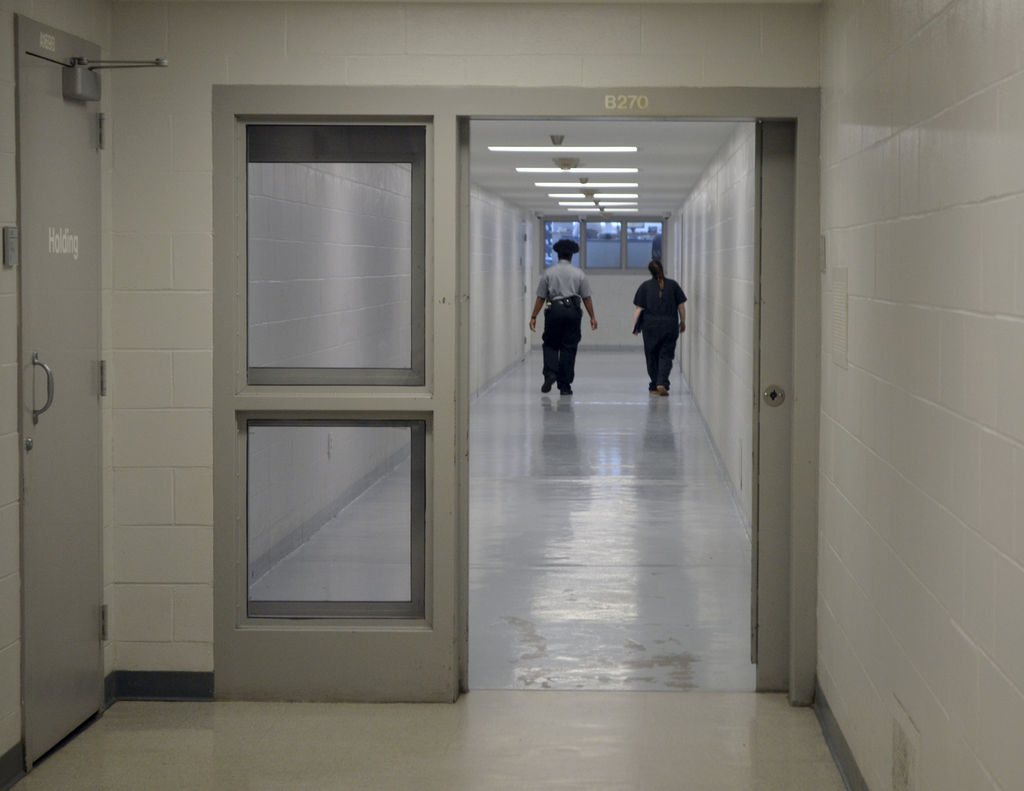
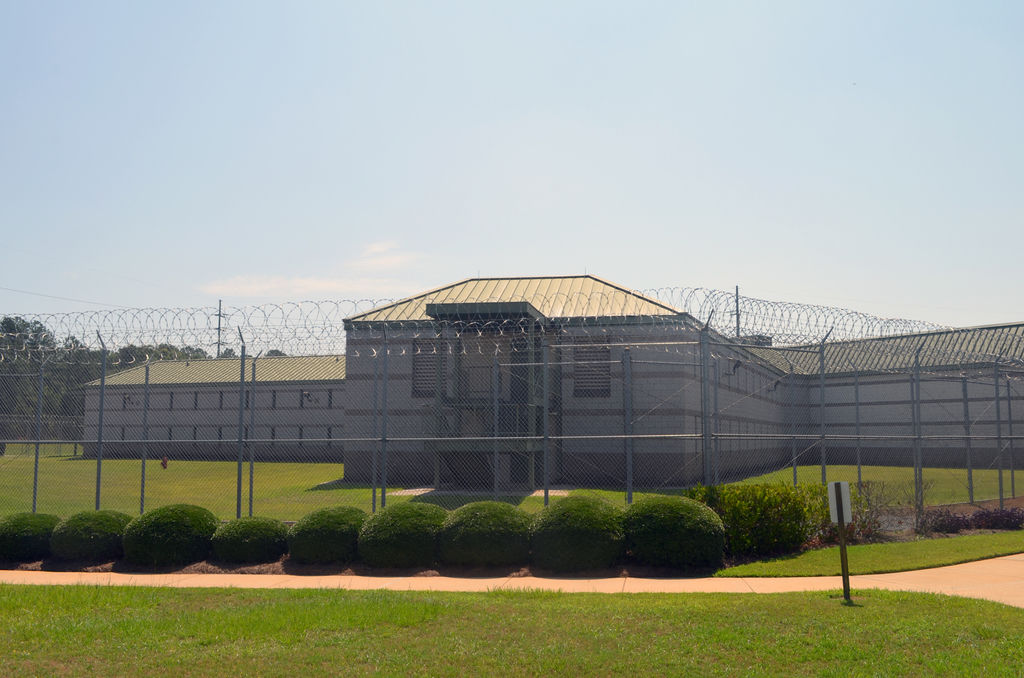
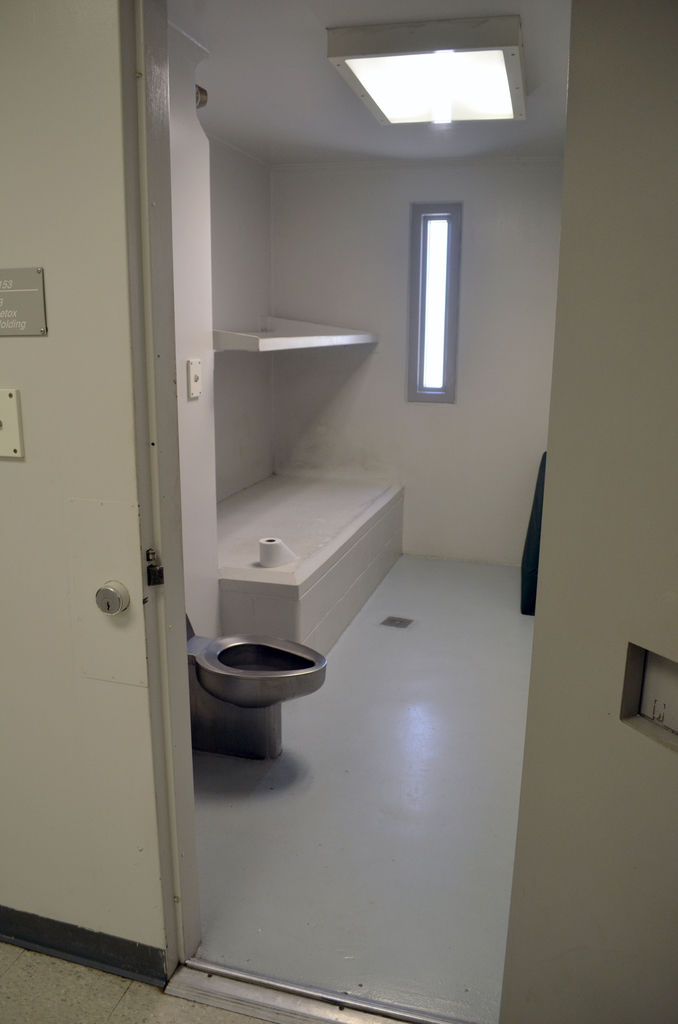

Related Articles

Albany Commission will revisit downtown park project at October retreat
“Right now it’s a sea of asphalt there. It doesn’t encourage gathering. Parks and green spaces encourage gathering.”

Judge denies residency challenge; Edward Brown to claim Senate District 12 seat
An email ruling issue this week paves the way for Albany businessman Edward Brown to enter the Georgia Senate next year. A Superior Court judge denied candidate Corey B. Morgan’s challenge to Brown’s residency in the District 12 race.

Albany animal trainer seeking to fulfill dream of establishing a pet food pantry
“(If) you lose a job, you have a healthcare crisis, what do you do with the cat? What do you do with the dog? Now you will at least have someone who can help you with the food.”
