
Pertussis reported in Dougherty County; vaccine encouraged among pregnant women
Six whooping cough cases confirmed in Dougherty County, including two infants

File Photo
By Jennifer Parks
ALBANY — Several cases of pertussis, or whooping cough, have been confirmed in Dougherty County, including two infants who were recently hospitalized, prompting public health officials to raise awareness of the illness, particularly among growing families.
Jacqueline Jenkins, epidemiologist for the Southwest Public Health District, said that six positive cases have been reported in the last three weeks in Dougherty County. Among the cases are two infants under the age of 5 months, who recently recovered from their illnesses after being admitted to the hospital.
“Pertussis is extremely serious and can be deadly for infants under the age of 6 months old,” Jenkins said.
The epidemiologist said infants under the age of 6 months are at the highest risk for serious or life-threatening complications, and babies are unable to receive the vaccine themselves before 2 months of age. The recent cases reported, a number Jenkins said is considered consistent with the yearly caseload for the health district but unusual to see in one area, has “sounded an alarm for pregnant women” in southwest Georgia.
The Centers for Disease Control and Prevention said getting the whooping cough vaccine during pregnancy, preferably in the earlier timeframe between 27-36 weeks, offers ideal protection for infants. There are two different whooping cough vaccines, both combining protection against whooping cough, tetanus and diphtheria but meant for different age groups. The Tdap is for patients 11 years or older, including pregnant women, and the DTaP is for children 2 months through 6 years of age.
Jenkins said the mothers of the two infants hospitalized did not receive the vaccine during pregnancy.
After receiving the whooping cough vaccine, the body is supposed to create protective antibodies — proteins produced by the body to fight off diseases — and pass some of them to the unborn baby before birth, providing short-term protection against whooping cough in early life. Protective antibodies are at their highest about two weeks after getting the vaccine, but it takes time to pass them to an unborn baby.
Women who never have gotten the Tdap vaccine and did not get it during their current pregnancy are encouraged to get the vaccine immediately after giving birth, before leaving the hospital or birthing center. Once protection is acquired from the vaccine two weeks later, a mother is less likely to give whooping cough to a newborn she is caring for.
Infants will still be at risk for catching whooping cough from others they come in contact with, which means anyone expecting to have consistent contact with infants should receive the vaccine. Day care centers can also serve as a breeding ground, as children can pass the disease to each other.
The CDC said a recent study on how effective Tdap is at preventing whooping cough in babies whose mothers got the vaccine while pregnant or in the hospital after giving birth found that getting Tdap between 27-36 weeks of pregnancy is 85 percent more effective at preventing whooping cough in babies younger than 2 months old.
There are no blood tests to determine whether a person has enough antibodies in the body to protect themselves and their baby against whooping cough. Even if a woman has been sick with whooping cough in the past or previously received the vaccine, she still should get the vaccine during each pregnancy, the CDC said.
The CDC also said breastfeeding may pass some protective antibodies on to infants. When a mother gets a whooping cough vaccine during pregnancy, she will have antibodies in her breast milk that she can share with her baby as soon as the milk comes in. A baby will not get protective antibodies immediately if the mother waits until after delivery to get the whooping cough vaccine.
Jenkins said pertussis is a disease transmitted by respiratory droplets, and is considered to be highly contagious. Someone who has it will likely have a continuous, violent cough and may need to take a deep breath afterward — creating the “whooping” sound. An infant will have difficulty breathing and may turn blue.
She added that an adult with an untreated case may have a cough that lasts up to 10 weeks. Treatment includes a round of antibiotics, considered most effective in the first or second week of infection.
“Once you (complete the medication), you are no longer infectious,” Jenkins said.
Related Articles
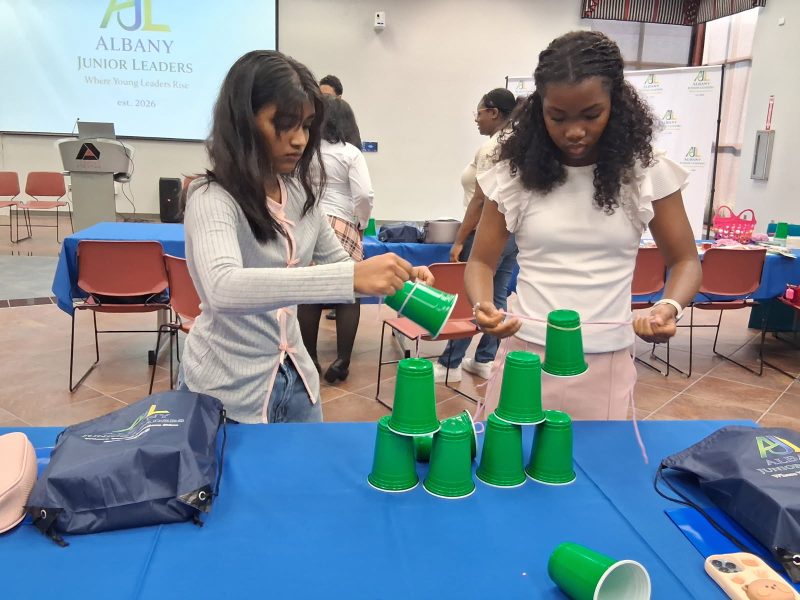
Adult leadership group spreads concept to high school students
“The purpose of Albany Junior Leaders is to pull together leaders from all over the community. We wanted to give these youth the same experience and the same exposure we’re getting in Leadership Albany.”

Albany/Dougherty County among local governments looking at data centers
“Our understanding is that data center developments look like an easy fix for the problems that face rural America, but this is a Faustian deal at best. You can see the effects in communities across the state and country.
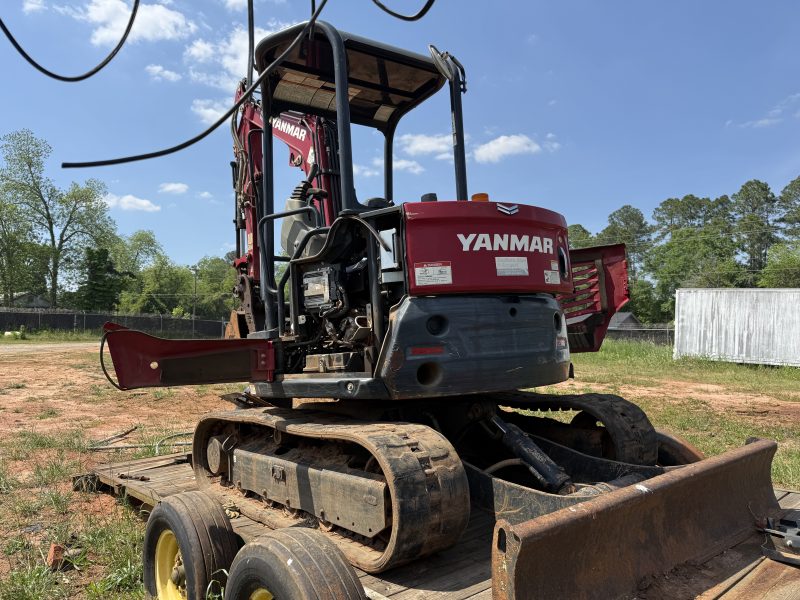
Dawson approves $68K excavator purchase after months of contradictory public statements
The decision concludes one portion of a controversy that has generated months of public scrutiny but leaves several unanswered questions regarding how the city’s original machine was damaged, whether employees were held accountable and what documentation supports the decision to replace rather than repair it.
