
Poultry producers encouraged to practice biosecurity measures to protect against avian flu
Officials attempting to ensure poultry consumers that avian flu is not a food safety issue
From Staff Reports
ALBANY — Following the detection of low pathogenic avian influenza in poultry flocks in multiple southern states, including Georgia, the state’s Farm Bureau is reminding consumers that properly cooked poultry products are still safe to eat.
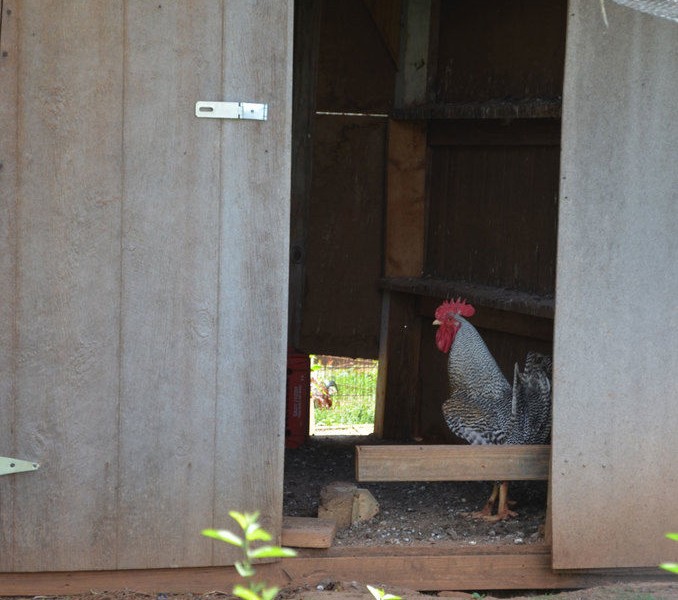
The organization is also encouraging commercial and backyard poultry producers to continue following U.S. Department of Agriculture-recommended biosecurity measures on their farms to prevent flocks from getting avian flu, which results in disease and death in poultry.
“Consumers should know that the United States Department of Agriculture has a careful monitoring, containment and quarantine protocol for avian flu in commercial flocks, so it is highly unlikely that a poultry product with the virus from a commercial farm would enter our food supply,” said Dougherty County Farm Bureau President Laney Wooten.
While the products are safe for consumption, officials noted that individuals should always follow best cooking practices when handling raw poultry or eggs such as cleaning all kitchen surfaces and cooking meat to 165 degrees to kill any germs or viruses.
To prevent the possible spread of the avian flu virus, the USDA issued biosecurity recommendations for all poultry producers meant for the purpose of preventing commercial poultry or backyard chickens from being exposed to migratory wild waterfowl that may carry the virus.
Guidelines from the USDA include:
— Wearing shoes and clothes in poultry houses that aren’t worn anywhere outside the house, or use a boot wash before entering the poultry house;
— Bird-proofing poultry houses;
— Don’t let wild birds build nests close by and don’t let waterfowl reside on nearby ponds;
— Don’t enter a poultry house directly after hunting or after being in contact with any other birds.
The USDA also recommends biosecurity measures for owners of backyard poultry flocks. If the birds are outdoors, they are to be kept in a screened area and provided housing — and they should not have contact with wild birds. Owners are encouraged to have a pair of shoes and a set of clothes to wear around the birds only, clean cages and change food daily, and keep any new birds or birds that have been off-site separated from the flock for at least 30 days.
According to the University of Georgia Center for Agribusiness and Economic Development, poultry and egg production and processing had a $25.9 billion impact on the state’s economy in 2015, accounting for 104,000 jobs statewide.
“Realizing the important economic contribution poultry makes to our state economy, Farm Bureau encourages anyone raising any type of poultry to follow the biosecurity recommendations the USDA is advising,” said Wooten.
The Georgia Department of Agriculture has been working with other government agencies to prepare for a possible avian disease outbreak by meeting regularly to coordinate their response. In the event of a positive diagnosis of avian flu, officials said the goal of the state response led by the GDA and Georgia Emergency Management Agency is to quickly relieve the pain and suffering of sick birds, minimize the economic impact for poultry producers, and get the farm and community back to normal operation as soon as possible.
For the latest avian flu updates and biosecurity information, visit the GDA website at ga-ai.org. Commercial poultry producers are encouraged to visit allinallgone.com for information from the Georgia Poultry Federation. Information is also available at gfb.org/avianflu.
To report a suspected case of avian flu, call (855) 491-1432.
Related Articles

Small actions can help save big on utility bills
The high temperatures of July and August can bring scorching utility bills as air conditioners hum to keep houses cool. Albany Utilities Residential Conservation Auditor Willie Jackson offered some tips on making summer cooling bills more manageable.
Bigger budget will mean improvements at Dougherty County’s landfill
“It’s certainly an opportunity where we can grow and make this very beneficial for years to the community. It’s a service that we provide for the community and I want to prolong that resource for the community. It’s not just fill it up and close it.”

Putting on the Ritz: The rise, fall and renewal of Albany’s Harlem District
On July 7, the Albany City Commission unanimously approved final construction drawings for a comprehensive restoration of the Ritz Theatre and Cultural Center, clearing the way for the project to move into competitive bidding after years of planning and preservation efforts. The decision marks the latest chapter in a decades-long effort to preserve one of Southwest Georgia’s most significant African American landmarks.
