
Rabies exposure a threat in Southwest Georgia
Rabies exposures in recent weeks reported in Dougherty, Colquitt counties
By Jennifer Parks
ALBANY — A positive rabies case in Dougherty County confirmed last week has only heightened the efforts of the Southwest Public Health District to get the word out on how people can protect themselves as well as their pets.
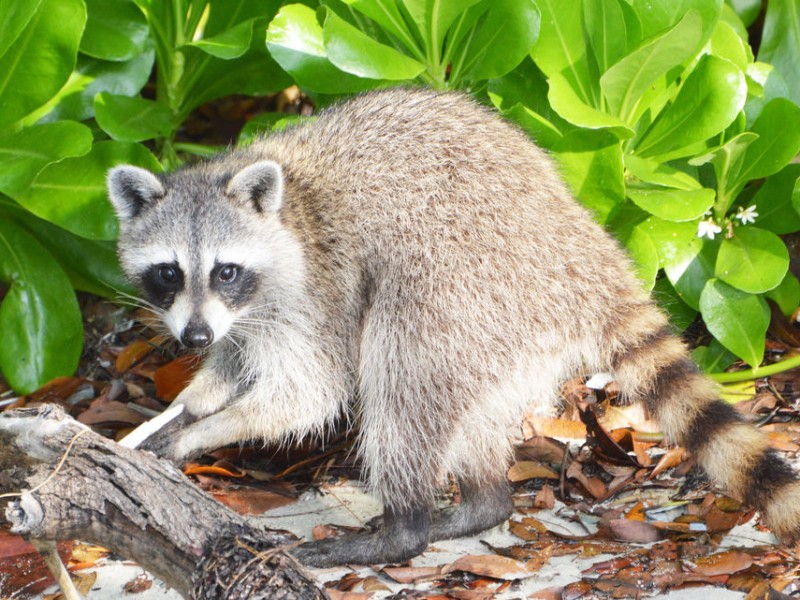
Officials with the district said the positive Dougherty case was confirmed after an encounter between a dog and a rabid raccoon on Wednesday on Oakwood Street. The raccoon came into a yard, and the dog was exposed while defending the chickens in the yard before a teenager living on the property shot and killed the raccoon.
James Davis, the environmental health chief for Dougherty County, said exposures are common, but a positive case is not.
“Exposures happen all the time, every day,” he said. “A positive case is unusual.”
Once it was confirmed that the raccoon in the Dougherty case was rabid, and that the dog had not been vaccinated since 2014 — which is considered unvaccinated — the owner was given the option of either putting the animal down or subjecting it to a 6-month isolation period.
Davis said there is a 10-day shedding period in which rabies can be transmitted, after which a rabid animal will likely have succumbed to the illness. When exposure happens by a wild animal, that is when authorities and health officials are most likely to get concerned.
“Domesticated animals in this area don’t tend to carry the rabies virus,” Davis said.
When an exposure occurs, one of the first things officials do is get the name of the animal’s veterinarian in order to obtain a vaccination record for the exposed pet. If a dog has bitten someone and there is no confirmation of inoculation, there is a 10-day quarantine.
Davis said a pet that is vaccinated and is exposed by a wild animal will be observed for 45 days and receive a booster shot. When a positive wild animal exposes an unvaccinated pet, like the Dougherty County case, the pet is subjected to either euthanasia or six months of no human contact.
“Most people will not want to put their pet through (a 6-month isolation),” Davis said.
Davis said Monday that the owner had made the decision to have the dog put to sleep today.
In order to properly conduct a rabies test, the animal needs to be dead so the head can be cut off for the brain to be sent off for screening. Since the brain needs to be intact for testing, one method of protecting a pet from being put down is to not shoot a potentially rabid animal in the head.
“Do not shoot it in the head,” Davis said. “Otherwise, I have to treat (the pet’s exposure) as a positive case.”
Officials said raccoons, skunks, foxes, coyotes and bobcats are among the animals in the wild carrying rabies. Mice, squirrels, rats and birds are not carriers. Bats are considered rabies reservoirs, so a bat that makes it into someone’s home should be captured so it can be tested, Davis said.
He also stressed that rabies vaccines do exist for humans, and that the vaccines are recommended for those who work regularly with animals.
“They need to get the pre-exposure vaccine,” Davis said. “The vaccine after the fact is a whole lot more expensive. There are vaccines for people, not just pets.”
Davis said people are encouraged to stay away from strange animals, particularly if they are shaky on their feet, foaming at the mouth or behaving oddly or aggressively.
“In the past two weeks, we have seen a pet exposed to a rabid raccoon and people exposed to what are being treated as potentially infected bats,” said Southwest Public Health District Environmental Health Director Dewayne Tanner. “The exposures occurred in different counties.”
Tanner said the exposed humans are in Colquitt County. Like Davis, he emphasized the importance of keeping pet vaccinations up-to-date because it can mean the difference between tragedy and a happy ending.
“We are concerned about people being exposed to the rabies virus through pets whose vaccinations are not up-to-date, through stray animals that have not been vaccinated and through wild animals, any of which could catch the infection and pass it along through their saliva,” he said.
“Please don’t handle young animals, either,” he added. “Chances are the parents are nearby and will return when you leave.”
Also, protective animal parents might attack, or parents might abandon offspring handled by humans, Tanner said.
The district’s environmental health director echoed Davis’ advice concerning bats and rabies.
“In the case of bats, here in Georgia when our bat species bite humans, it is similar to being bitten by a mosquito,” he said. “You may not notice it. The general policy is that if you wake up in a room and there is a bat in the room with you, the recommendation is that you receive prophylaxis treatment.”
Officials said rabies is preventable with treatment and considered 100 percent fatal without treatment. Anyone bitten by wild animals or strays should seek immediate medical attention and contact their county health department and law enforcement.
“You should not attempt to catch the animal yourself. The authorities will handle that so that it can be tested for rabies,” Tanner said.
Georgia law requires dogs and cats ages 3 months old and older to be vaccinated against rabies. Pet ferrets should also receive rabies inoculations, as should susceptible livestock, officials said.
For more information about rabies, individuals are encouraged to contact their county health department.
Related Articles
Who decides elections in Terrell County? Data show older voters dominate turnout as turnout declines
According to the Georgia Secretary of State, 1,731 of Terrell County’s 6,048 active registered voters cast ballots in the May primary, a turnout rate of 28.6%. Four weeks later, only 922 voters participated in the June 16 primary runoff, reducing turnout to 15.2%.
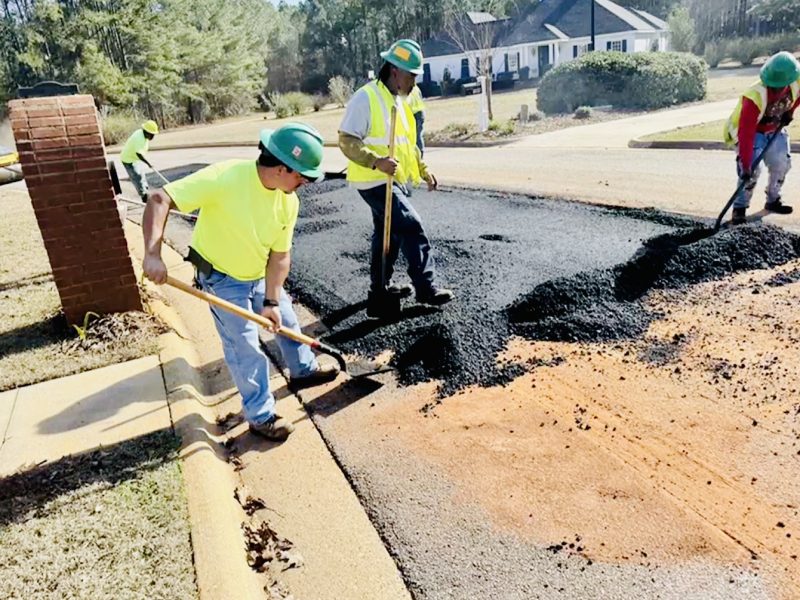
From Ledo to Coston, Lee County’s summer road projects are underway
Updates provided during recent meetings of the Lee County Board of Commissioners show projects are underway or scheduled to begin on several county roads, while additional transportation improvements funded through the Local Maintenance and Improvement Grant (LMIG) program and Transportation Special Purpose Local Option Sales Tax (T-SPLOST) are expected to begin shortly after the July Fourth holiday.
PSC candidate Peter Hubbard makes case for election to full term
The reason why voters should pick me is I’m a rare breed in that I read everything that comes across my desk. I’m asking hard questions at the meetings. I want to get to the bottom of are data centers paying their fair share, are residential customers getting their fair share.
