
Recommendations potential game-changer in physical therapy
Physical therapists applaud recent guidelines outlined by ACP regarding pain treatment
By Jennifer Parks
ALBANY — The American College of Physicians (ACP) recently recommended in an evidence-based clinical practice guideline published in “Annals of Internal Medicine” that physicians and patients should consider non-drug therapies to treat acute or subacute lower back pain.
The recommendations, explained in “Noninvasive Treatments for Acute, Subacute, and Chronic Low Back Pain,” call for therapies such as superficial heat, massage, acupuncture or spinal manipulation to be considered in beneficial situations. In cases that drug therapy is desired, physicians and patients are encouraged to select nonsteroidal anti-inflammatory drugs or muscle relaxants.
While the recommendations were released last week, they reinforce something those working in physical therapy said they have known for some time. Those professionals say such therapy empowers the patients experiencing pain who later see results they did not think were possible without medication or surgery.
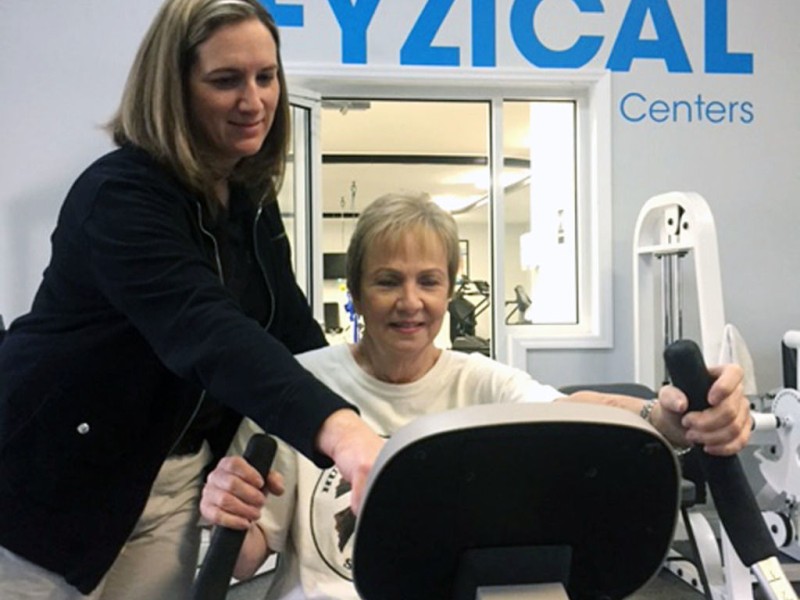
Elizabeth Cantrell, physician liaison for Fyzical Therapy and Balance Center, which has offices in Camilla and Albany, said the craving for quick relief will often result in physicians giving patients a prescription for pain, or leaning toward expensive scans and treatments, before considering a holistic approach that might turn out to be more cost-efficient and effective in suiting a patient’s needs.
“We encourage them to talk to their primary care physician to see if physical therapy is the best plan for them,” she said.
The ACP said lower back pain is one of the most common reasons for all physician visits in the U.S., with about 25 percent of adults reporting lower back pain lasting at least one day in the past three months. Pain is categorized as acute, or lasting less than four weeks, subacute, lasting four to 12 weeks, and chronic, which is defined as more than 12 weeks.
The ACP said evidence showed that acetaminophen was not effective at improving pain outcomes, while low-quality evidence showed that systemic steroids were ineffective in treating acute or subacute lower back pain.
“Physicians should reassure their patients that acute and subacute low back pain usually improves over time regardless of treatment,” said ACP President Dr. Nitin S. Damle. “Physicians should avoid prescribing unnecessary tests and costly and potentially harmful drugs, especially narcotics, for these patients.”
Even for patients with chronic lower back pain, ACP recommends physicians and patients initially select non-drug therapy.
For patients with chronic low back pain who have had an inadequate response to non-drug therapy, ACP recommends treatment with NSAIDs as first-line therapy, or tramadol or duloxetine as second-line therapy. The organization said physicians should only consider opioids as an option in cases that other methods have failed, and only if the potential benefits outweigh the risks.
Surgery is another treatment option often considered for chronic problems. Cantrell said if physical therapy, designed to cater to the patient’s specific needs, is considered before a surgery, a lucky patient can go beyond preparing for a surgery and may even be able to eliminate the need to go under the knife — or use medications that mask pain rather than resolve it.
“Sometimes you have to do surgeries, but for some folks, it (physical therapy) works,” she said.
Changing the public’s mind can take a long time, so professionals admit it is unclear what the future holds.
“Hopefully people will read about it and think about it, and we will see a shift (in those seeking physical therapy),” Cantrell said.
Related Articles

Albany Commission will revisit downtown park project at October retreat
“Right now it’s a sea of asphalt there. It doesn’t encourage gathering. Parks and green spaces encourage gathering.”

Judge denies residency challenge; Edward Brown to claim Senate District 12 seat
An email ruling issue this week paves the way for Albany businessman Edward Brown to enter the Georgia Senate next year. A Superior Court judge denied candidate Corey B. Morgan’s challenge to Brown’s residency in the District 12 race.

Albany animal trainer seeking to fulfill dream of establishing a pet food pantry
“(If) you lose a job, you have a healthcare crisis, what do you do with the cat? What do you do with the dog? Now you will at least have someone who can help you with the food.”
