
Report: USG has $16.8 billion economic impact on state
Report shows state university system created 163,754 jobs last year
From Staff Reports
ATLANTA — The University System of Georgia had a $16.8 billion economic impact on the state of Georgia in 2017, according to an annual report released Monday. The report also found that the USG created 163,754 jobs last year, and 2.2 of those jobs were created for every one USG job in an institution’s hometown.
“As we strive to graduate more students, keep college affordable and increase the efficiency in delivering education, it’s important to keep in mind that higher education is an investment, and from these numbers it’s a smart one,” Chancellor Steve Wrigley said. “Communities across our state and the state as a whole are benefiting from the economic engine that is the USG and its 26 institutions.”
The report found that the system’s economic impact demonstrates that continued emphasis on colleges and universities as a pillar of the state’s economy translates into jobs, higher incomes and greater production of goods and services.
The report also indicated an overall increase in full- and part-time jobs either at USG institutions or because of them. Of the 163,754 jobs noted in the report, 50,541, or 31 percent, are on the campuses while 113,213, or 69 percent, are off campus.
The benefits are estimated for several important categories of college/university-related expenditures: spending by the institutions themselves for salaries and fringe benefits, operating supplies and expenses, and other budgeted expenditures; spending by the students who attend the institutions; and spending by the institutions for capital projects (construction). The economic impact estimates are based on regional input-output models of each institution’s regional economy, certain necessary assumptions, and available data on annual spending in the specified categories.
Moreover, the emphasis is on funds received by residents in the region that hosts each college or university. The study reports expenditures and impacts for the 2017 fiscal year— July 1, 2016 through June 30, 2017.
The study does not account for all of the short-term impacts of the 26 institutions on their host communities, however. For example, there are no dollar amounts estimated for several sources of college/university-related spending because doing so would require collecting survey data, a task beyond the resources available to the study.
In addition, the study neither quantifies the many long-term benefits that an institution of higher education imparts to the host community’s economic development nor does it measure intangible benefits (such as cultural opportunities, intellectual stimulation, and volunteer work) to local residents. Finally, the study is not a net benefit analysis; it estimates only economic benefits and does not calculate what the presence of a tax-exempt college/university costs the community.
The entire report is available here: https://www.usg.edu/assets/usg/docs/news_files/USG_Impact_2017_%28November_2018%29.pdf.
The annual study is conducted on behalf of the Board of Regents by Jeffrey M. Humphreys, director of the Selig Center for Economic Growth in the University of Georgia’s Terry College of Business.
Related Articles
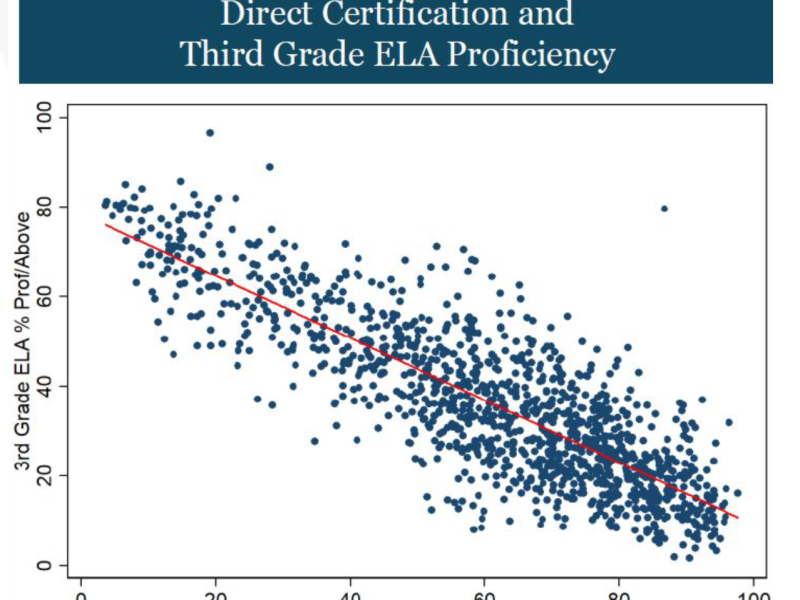
Georgia’s school funding formula still ignores poverty; educators say students pay the price
During a report to the board on the outcomes of this year’s legislative session, Dyer discussed the district’s efforts to persuade lawmakers to add an “opportunity weight” to Georgia’s Quality Basic Education (QBE) funding formula — a change supporters say would provide additional state funding for students living in poverty.
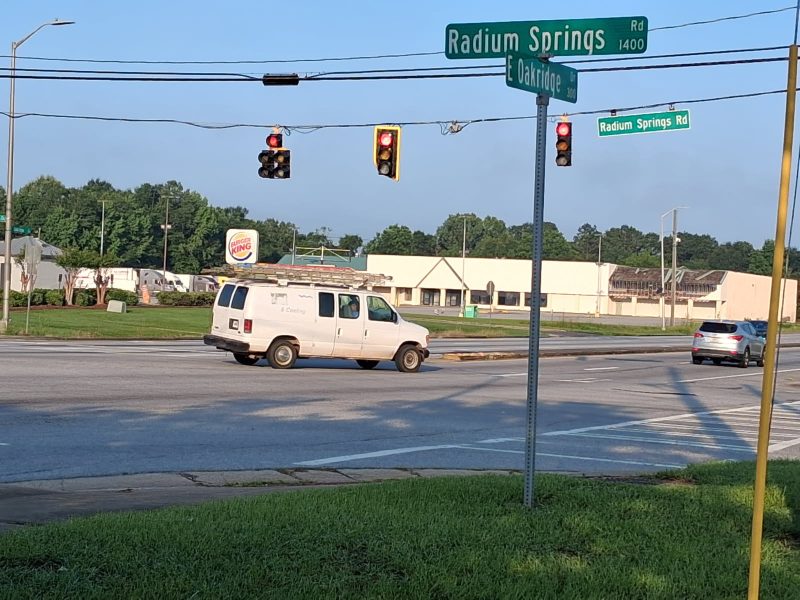
Red light violations will bring citations at a dozen Albany intersections
“That was always the goal of the school zone cameras, to change the behavior. It’s the same with the red lights, we want to change the behavior. When you see a yellow light, you need to slow down and prepare to stop.”

Dougherty Commission considers $104 million budget for 2026-2027 budget year
“The other side of the coin is you could have higher revenues than projected. We’re very conservative in budgeting revenues. That also reduces the need to use fund balance”
