
Residents of Albany complex complain about bedbugs
Officials have been working to rid Hudson Malone Towers of the pests for years
By Chauntel Powell
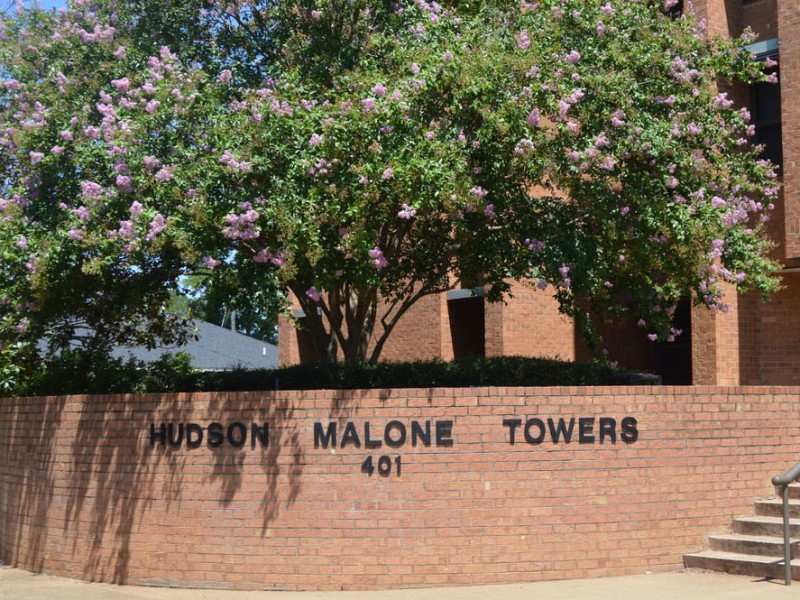
ALBANY — Tenants at Hudson Malone Towers have had an ongoing pest problem, and some say they’ve about reached their breaking point on the issue.
Officials say bedbugs have plagued the complex for years and one resident, who asked to remain nameless, said it’s about as bad as it’s every been.
“The last three years, we’ve been having problems, but it’s been really bad up there now,” she said. “It’s so bad they had to close the laundry room down. They had to take all of the furniture out of the lobby. Yeah, it’s bad.”
The resident, who provided proof that she is indeed a resident of the complex, added that the issue has many residents on edge.
“It’s made us a nervous wreck,” she said. “Everybody’s afraid to come out of their apartments. You’re just mortified you’re gonna pick up something. You have to check yourself before you go into your apartment. It’s nerve-racking, it really is.”
Dan McCarthy, executive director of the Albany Housing Authority, said that the authority is doing all it can to try and resolve the situation.
“There are some chemicals that can be used, and the other thing is heat,” he said. “If you get the temperature up significantly, I think it’s 140 degrees, then you can kill the bedbugs. But that’s not too good for the people. So that’s a thing we have to work with.”
McCarthy noted that once a report comes in, staff at the facility follow protocol with inspections that cost typically between $300-$500, and work on locating the problem area. But he said there are a number of challenges that come with treating the pest problem, the first being preventing them in the first place.
“Bedbugs don’t crawl along the ground like roaches or termites or ants,” he said. “They stay where people are, and they travel with their belongings, their clothes, their luggage, their furniture.”
With people coming in an out constantly, McCarthy said it’s become increasingly difficult to completely eradicate the bedbugs.
“Never-ending-cycle may be an accurate assessment because there’s no way that we’re aware of that you can eliminate it permanently,” he said. “What we’re trying to do is keep it under control and try and educate our residents.”
He said one of the main pieces of advice he has for residents is to report a bedbug sighting as soon as they find one so that staff may go in and quickly try to eliminate the problem as best they can before it spreads.
Bedbug facts:
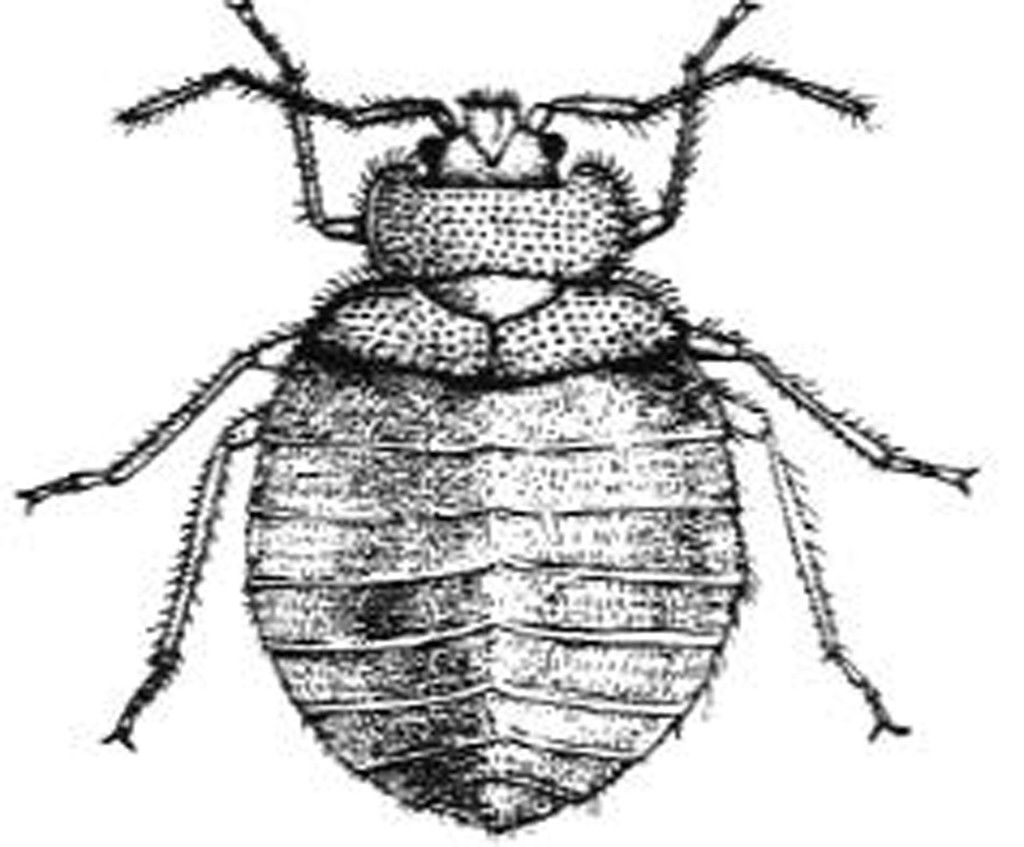
SIZE: 1/4 to 3/8 inch
COLOR: Reddish brown or brown
SHAPE: A mature bedbug is oval-bodied, wingless and flattened top to bottom.
DESCRIPTION: Bedbugs are small, wingless insects that feed solely upon the blood of warm-blooded animals. They are sometimes mistaken for ticks or cockroaches. Bedbugs are sometimes called “red coats,” “chinches,” mahogany flats.”
HABITAT: At the beginning of an infestation, bedbugs are likely to be found only in the crevices of bedsteads. In areas of heavy infestation, bedbugs can be found in tufts, seams and folds of mattresses and bed covers. Because certain species can live in bird’s nests, houses and buildings with several bird nests in the eaves and on the roof often will have these bugs coming into the living areas. Some species that are bird ectoparasites will bite humans who come into contact with them.
CONTROL: Find all the areas where bedbugs hide during the day time. These must be treated with chemicals applied by a licensed pest control applicator. In hotels, apartments and other multiple-type dwelling places, bedbugs may spread from one unit to another. All units should be inspected. Remove bird nests to eliminate bird biting species.
Courtesy of the Georgia Department of Human Resources Division of Public Health
Related Articles

Three summertime fun nights planned for young people at Albany Civic Center
“I think any time you invest in children and youth, you’re always making a great investment. I think it should be a good experience.”
Tenants in Albany apartments face eviction
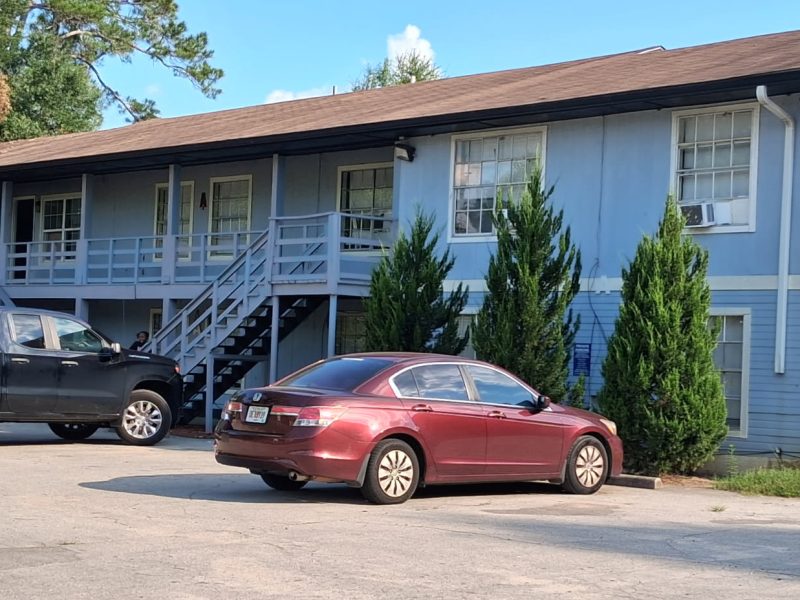
Residents at Cornerstone apartments, located at 608 Moultrie Road, said that eviction notices were placed on the doors of all of the units this week, giving them three days to pay two months’ rent or face being removed in three days. Tenants said they were confused to whom rent should be paid and are frustrated by the living conditions at the complex that is more than 50 years old.

Labor commissioner candidate wants to use position to protect workers
“I saw things like worker’s claims being denied, being fired from their job. That was one of my first experiences with worker mistreatment.”

