
State, Southwest Georgia Officials: More needed to combat drug overdose problem
Report shows drug, alcohol, suicide deaths in Georgia expected to increase 40 percent by 2025
By Jennifer Parks
ALBANY — A report from Trust for America’s Health and Well Being Trust paints a bleak picture for Georgia in terms of drug, alcohol and suicide deaths. The data represent a similar problem in Southwest Georgia and in most places in the country.
“Pain in the Nation: The Drug Alcohol and Suicide Epidemics and the Need for National Resilience Strategy,” released last month, shows that the state’s drug, alcohol and suicide death rate could increase by 40 percent in the next 10 years. The rate as of 2015 was 31.9 per 100,000 deaths, potentially rising to 44.6 by 2025.
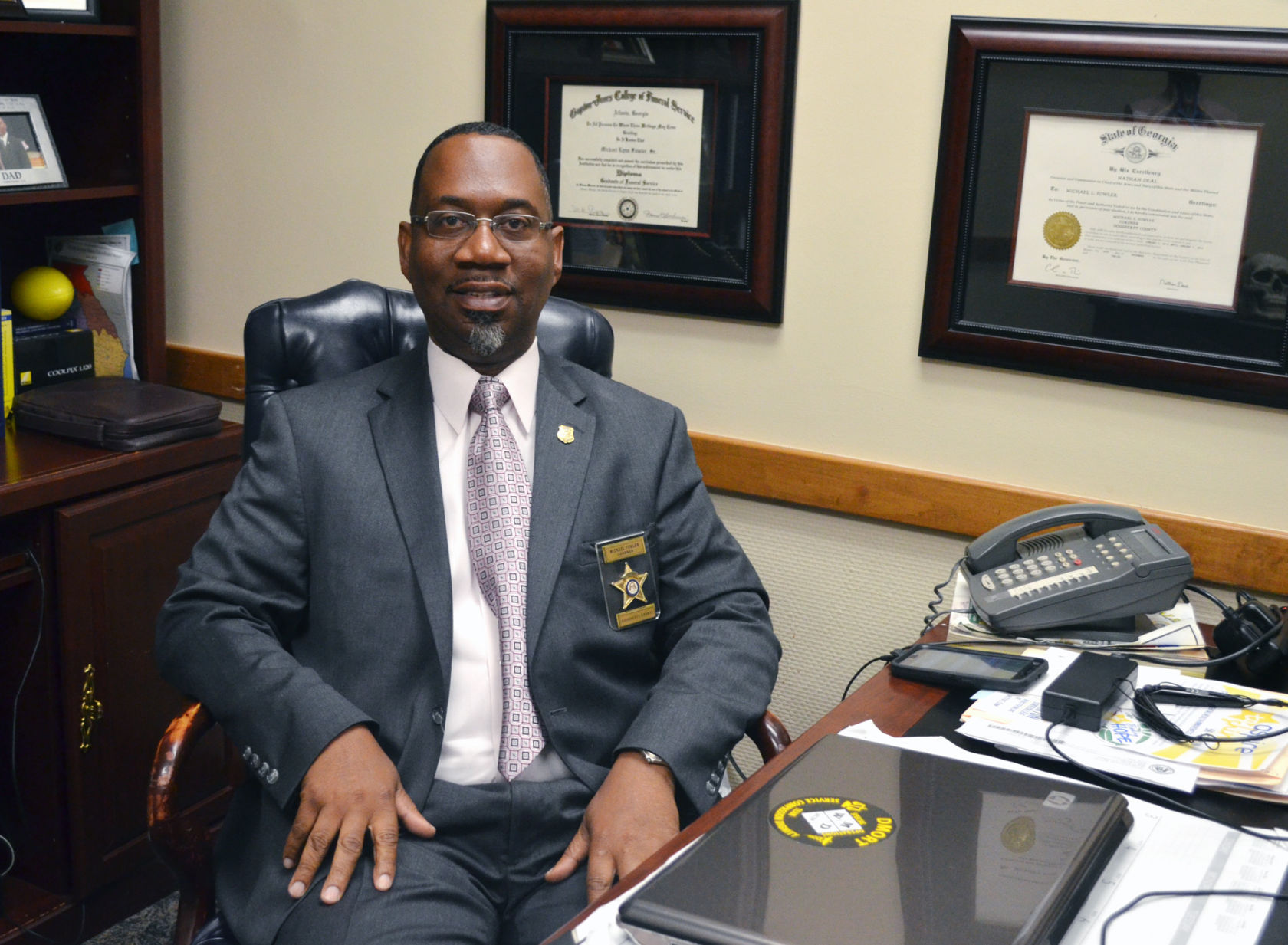
Dougherty County Coroner Michael Fowler is one of the first to respond when one of these deaths occurs in Albany. He said stress on the job is among the top factors in someone taking their life, as well as relationship issues among those who are younger.
Some may be older individuals with cancer who do not want to put their families through the burden of caring for them, especially if their insurance coverage is not ideal for their particular case, Fowler said.
“Some people don’t like to live with pain,” he said.
The coroner said the drug problem is a significant one, not only in Albany but everywhere. Children often get prescription drugs from their parents’ or grandparents’ medicine cabinets and sell them, and they are coming across the drugs on the street and using them without knowing what they are really ingesting.
“Kids are so used to doing it, they don’t realize (dealers) are lacing it with dangerous stuff,” Fowler said. “It is steadily growing. It is a growing problem; it is definitely a growing problem.
“As much as they (police) are getting off the streets, imagine how much are getting past them. And the kids know that.”
Fowler said parents can make a big difference by saying something if they notice anything suspicious. Those selling drugs on the street will put what they can into it so they can make more money, adding more danger to the problem.
The same accountability goes for suicides, which rarely occur with no signs evident ahead of time.
“If they use a gun, they are (usually) trying three or four times before they pull the trigger,” the coroner said. “Most of the time, the signs are there.
“(Drugs, alcohol and suicides) are major problems, not just in Albany. Every coroner is saying the same thing.”
Fowler said the key to change is a communitywide effort. Even if it is the case of one person saying something before an overdose happens, speaking up can make a difference.
“I don’t want to see any child lost,” he said. “I know the after-effect, what can happen. Once you are on it, it is hard to come off.”
Fowler often tells the story of a man he knew when he first got into the mortuary business who went to a party in his youth. Someone put something in his drink while he wasn’t looking, and he was never the same again.
The coroner uses that story to make sure people do not put their drinks down at a party and walk away, even for a few seconds, because a person may not know who is out to get them.
“Especially if you are smart, and they aren’t as smart as you,” he said.
As people are talking about drug issues more, through public service announcement and the media, Fowler said he is hopeful the situation will get better.
“I think it will get better (with more awareness),” he said. “I hope it doesn’t get worse.”
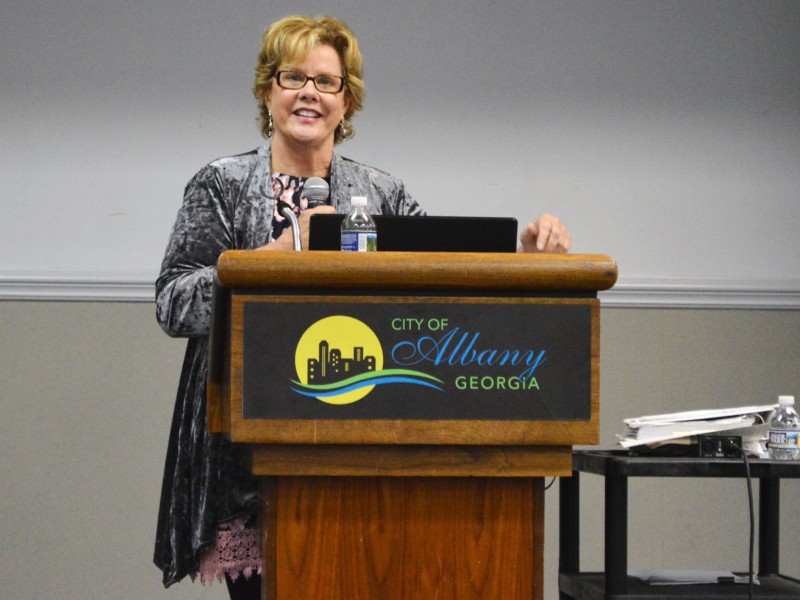
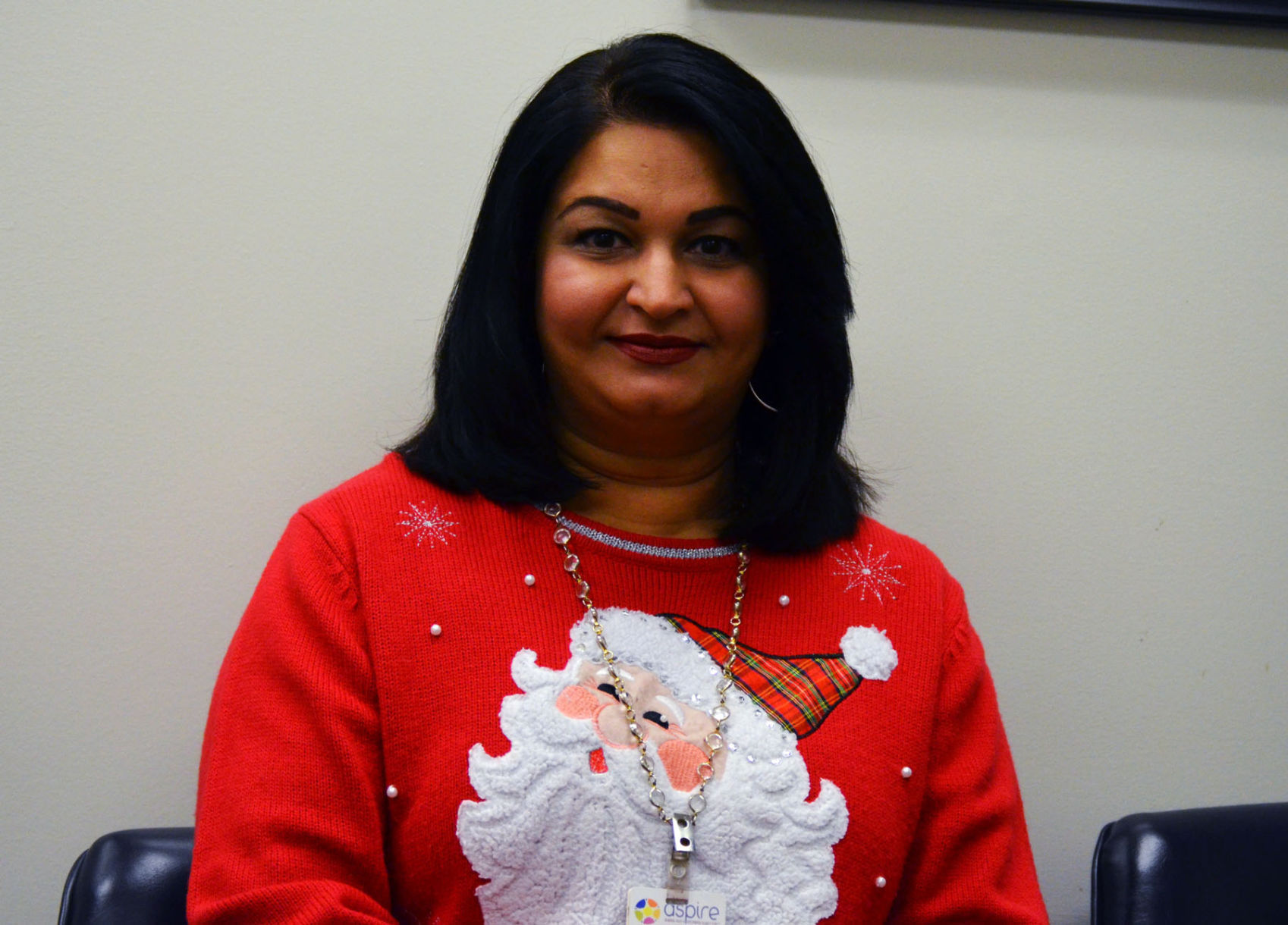
Hetal Patel, clinical director at Aspire Behavioral Health and Developmental Disabilities Services, said her biggest observation from the report is that the death rates from these three causes have doubled in recent years.
“The most scary (part) is that the projection is significantly higher,” she said. “Based on the numbers now, it may be higher in reality when we get there.
“I think (there is also) a depression in reporting. I think the problem is much larger than captured. It is more a problem than we are actually capturing. We are just taking a snapshot of one piece.”
Patel said that, since there has been more of a focus on the problem, more awareness of the issue is becoming apparent — particularly on its impact in rural areas, where access to care and resources may be limited.
“Just because we don’t see the problem doesn’t mean it is (not there),” she said, “especially in rural (areas) where visibility is probably less.”
More reports on the problem mean more conversations, but addiction still remains a problem in rural areas like Southwest Georgia for a number of reasons, Patel said. Pain pill clinics were closed, and nothing was put in place to take care of people, while the closure of the state hospital in Milledgeville forced some creative thinking of ways communities could offset those lost resources.
In some cases, she said, it can take years to get people connected to the help they need. They often have no identifiable diagnoses, no resources — and there is a large population in Southwest Georgia in that position.
“The lack of education programs, lack of prevention programs in our community, continued stigma all play a huge role in fueling that problem,” Patel said.
The takeway from reports such as the one by the Trust for America’s Health, Patel said, ought to be that there is indeed a crisis taking place and that loved ones who evidently have a problem should be in some form of intervention before a small issue has a chance to turn into a bigger one.
Mental health problems, even if it is a matter of needing help with managing seasonal stress, should be checked out as cold and flu symptoms would be.
“There is no cure better than prevention,” Patel said.
She said she hopes the future brings more awareness within the legislative branch, so that there can be more funding put into evidence-based programs, and that telemedicine can be more effectively utilized to increase availability for the full spectrum of services.
If these barriers are not broken down, Patel said, the next thing to expect is for the problem to amplify and continue to effect all the aspects of life among those impacted by the problem.
“I think we need to find a way to filter resources and filter therapy,” she said.
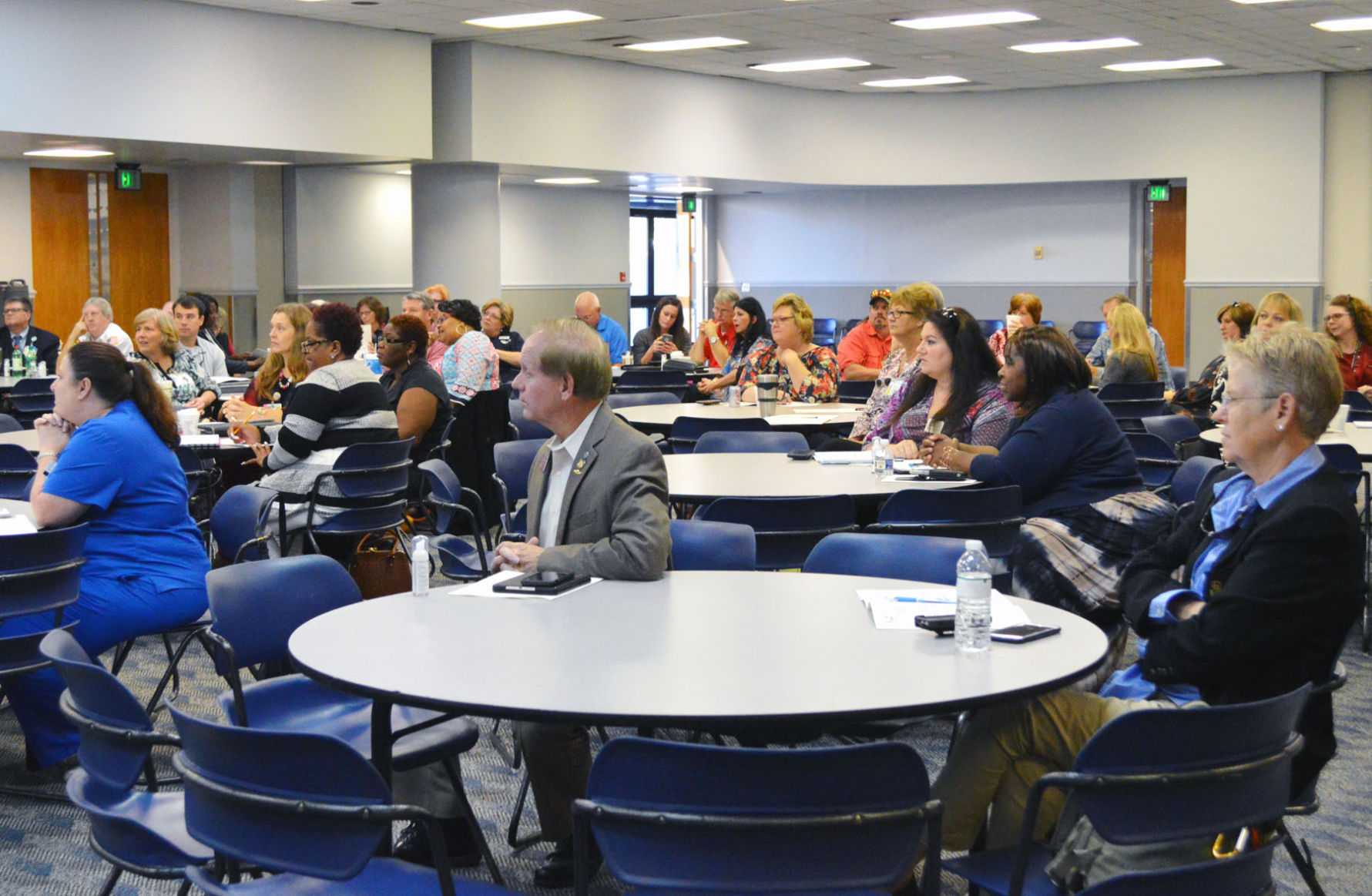
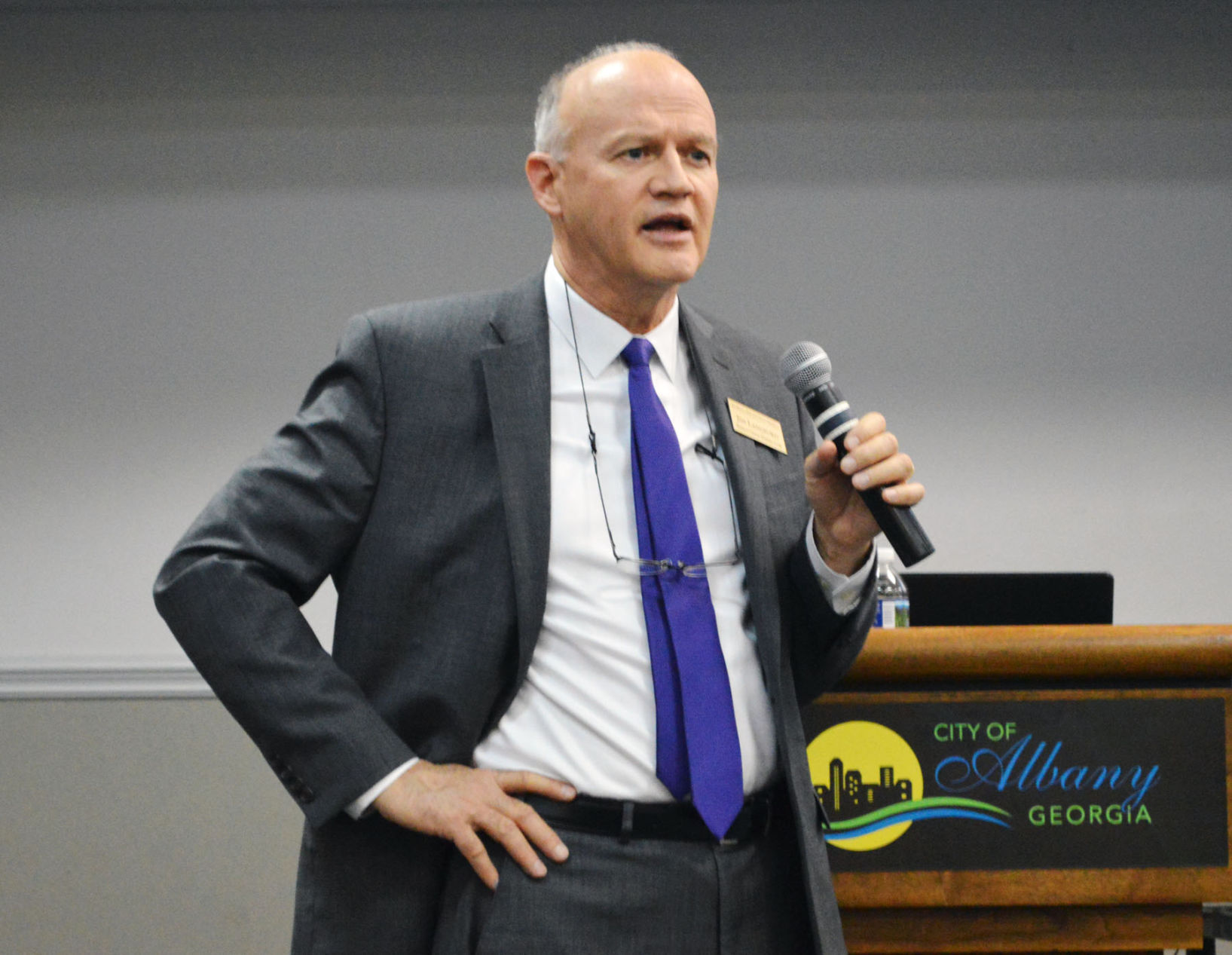
At a recent meeting of the Region K Healthcare Coalition in Albany, Georgia Prevention Project Executive Director Jim Langford spoke on the method for bringing together a statewide strategy in combating the opioid and heroin epidemic.
He said while the New England states, Ohio, Kentucky and West Virginia may be in worse shape than Georgia, there is work to be done to make progress against the problem in Georgia. These states, no matter what they do, cannot get their rates down, and their medical infrastructures are overwhelmed.
Langford added that, already in Georgia the trend is frightening, with a No. 11 in per-capita death rate in 2015, and officials in the state are currently finding themselves having difficulty keeping up with the problem.
“We are not in as bad a shape yet (as other states), but we are getting there,” he said.
The addictives going into drugs are very powerful, and death rates are skyrocketing. In the time frame from 2014 to 2016, there was a 23 percent death increase in Georgia, Langford said.
“That is the danger, because if we don’t do something, we will end up in the same shape those other states are in,” he said.
Also at the coalition meeting was state Sen. Renee Unterman, R-Buford, who has traveled around the Georgia with the intention of crafting legislation to address the problem and gaining support for it. As she has interacted with those throughout the state, she has gotten a feel for what the unique needs in those regions are.
She was complimentary of the resources Albany has, including GraceWay Recovery Residence for Women — particularly GraceWay’s Bread House — in combating the problem, and even said they are better in some respects than those resources in areas of the state serving regions more affluent and more densely populated.
“In Albany and Dougherty County, I think they are doing very well,” Unterman said. “There is a very good CSB (Community Services Board) down here. I think they are better than some of (the resources) in the metro Atlanta area.”
Grants to recovery centers such as GraceWay and better access for law enforcement to naloxone — a drug used in the field to reverse the effects of an overdose — so agencies can sustain their supply, are among the things the senator said she is looking for.
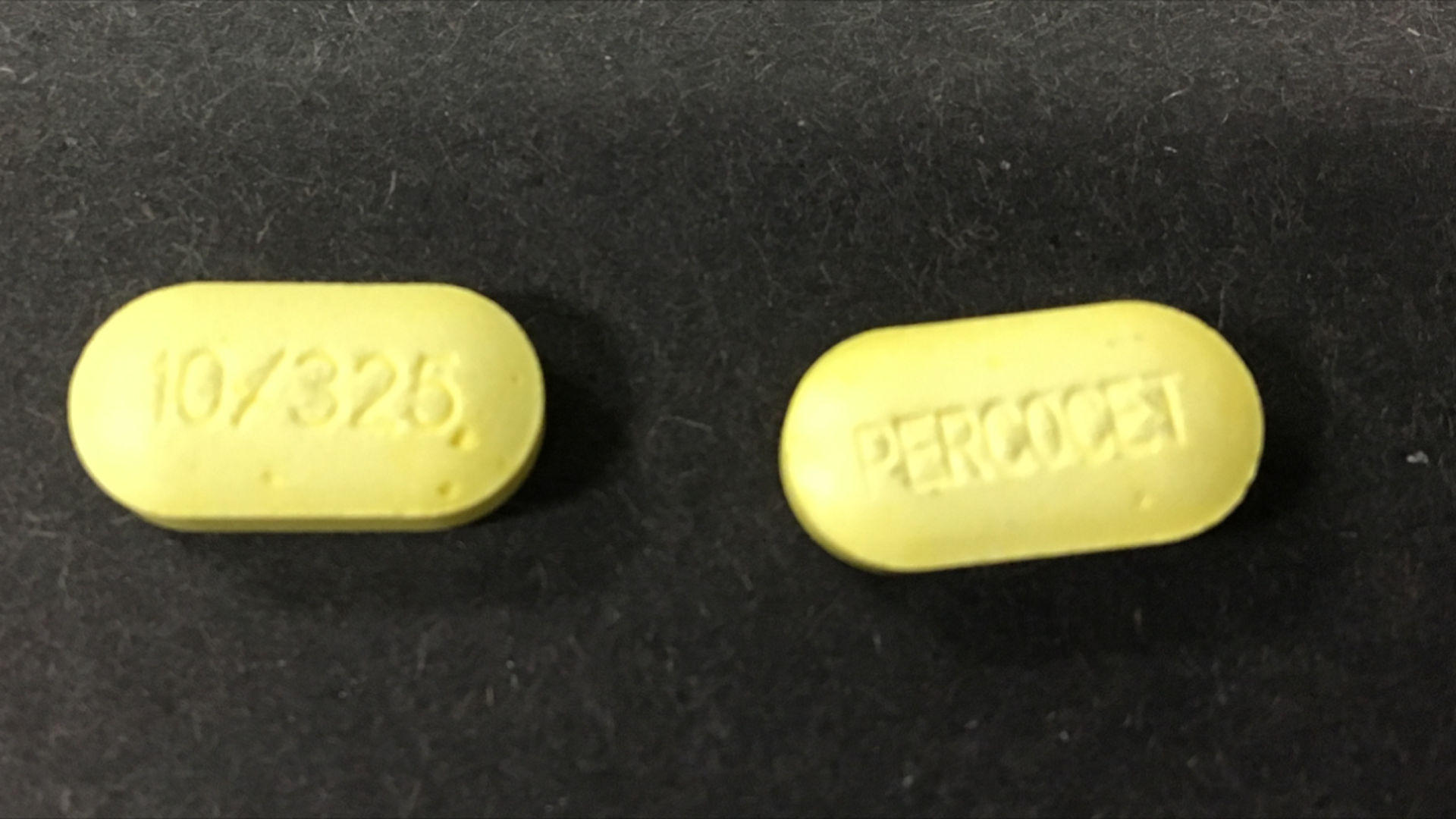
A big motivator for attacking the crisis was an overdose outbreak in the state resulting from counterfeit Percocet that impacted at least 30 people over the summer, primarily in central Georgia. The outbreak got more people talking about how the issue is impacting the Peach State and sparked an increased interest in breaking the cycle and addressing it early.
“That was kind of the whistle-blower,” Unterman said. “This is not a metro Atlanta-centric problem; it’s a statewide problem.”
Langford said among the primary issues that need to be addressed are additional oversight of pain clinics, higher standards on prescriber education and improving access to treatment and support. By April 2018, he said, a collaboration including nonprofits, public health officials, legislators and other elected officials is expected to produce a strategic plan, completed legislation and the beginning stages of implementation.
The report card from Trust for America’s Health showed Georgia is one of 37 states to have a law requiring prescribers to query the prescription drug-monitoring program before submitting an opioid prescription. It is not one of 14 states and the District of Columbia allowing laypersons to possess naloxone without a prescription.
Georgia is one of 40 states, and D.C., to have a Good Samaritan law protecting people from reporting or experiencing an overdose from liability. It is not one of the 24 states and D.C. with a law supporting sterile syringe access programs as of last a year, but is one of 37 states and D.C. to have a law holding a seller responsible for providing alcohol to minors or intoxicated individuals as of 2016, the report said.
The Peach State is not one of 22 states to have comprehensive anti-bullying laws, but it does have some form of anti-bullying law. It is one of nine state requiring annual suicide prevention training for school personnel. Georgia has 31 physicians out of 1,297 nationwide certified to provide buprenorphine treatment to 100 or more patients, the report said.
Georgia has 10.8 out of 1,000 children confirmed as victims of maltreatment by child welfare services, above a national trend of nine per 1,000, as of 2015. It is not one of the 26 states and D.C. to have an earned income tax credit that supports better outcomes for low-income families, including boosting millions of families out of poverty, as of 2016, the report said.
Nationally, deaths from drugs, alcohol and suicide could account for 1.6 million fatalities over the coming decade through 2025. This would represent a 60 percent increase compared to the past decade, if recent trends hold, based on an analysis conducted by the Berkeley Research Group for last month’s report.
From 2006 to 2015, there were 1 million deaths from these three causes. The study found that the numbers may be conservative, especially with the rapid rise of heroin, fentanyl and carfentanil use, and if the nation continues along recent trajectories, death rates would actually double to 2 million by 2025.
The Georgia Department of Public Health Office of Health Indicators for Planning shows there were 1,307 drug overdose deaths in Georgia in 2015, a figure that increased to 1,426 deaths in 2016. The 14-county Southwest Public Health District had 28 deaths both years.
Opioids accounted for 900 of those deaths in Georgia in 2015, which went up to 982 deaths the next year. The state’s Southwest district saw 13 such deaths in 2015, and 12 in 2016. There were 121 Georgia deaths in 2015 from heroin, and 158 such deaths in the state the next year — while the health district saw one heroin death in those years, which took place in 2016, data from OHIP showed.
OHIP’s data on deaths by suicide showed 1,274 in Georgia in 2015, which went up to 1,403 in 2016. The Southwest district saw 37 successful suicides in 2015 and 50 such deaths in 2016.
More details on the recent report can be found at www.healthyamericans.org.
Related Articles
Brie’s Gift offers a helping hand for families affected by leukemia
“I think that would be beautiful. Brie loved her school, she loved her city. I think that would be wonderful.”
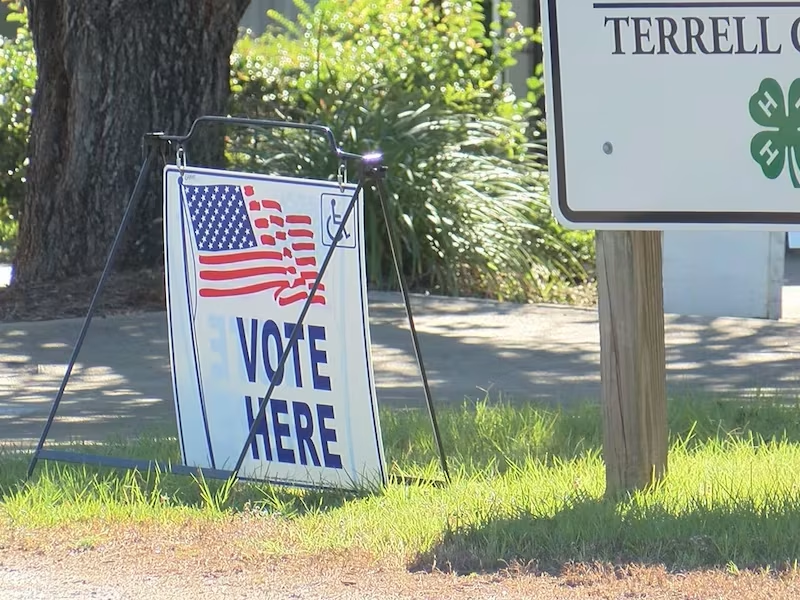
Who decides elections in Terrell County? Data show older voters dominate turnout as turnout declines
According to the Georgia Secretary of State, 1,731 of Terrell County’s 6,048 active registered voters cast ballots in the May primary, a turnout rate of 28.6%. Four weeks later, only 922 voters participated in the June 16 primary runoff, reducing turnout to 15.2%.
From Ledo to Coston, Lee County’s summer road projects are underway
Updates provided during recent meetings of the Lee County Board of Commissioners show projects are underway or scheduled to begin on several county roads, while additional transportation improvements funded through the Local Maintenance and Improvement Grant (LMIG) program and Transportation Special Purpose Local Option Sales Tax (T-SPLOST) are expected to begin shortly after the July Fourth holiday.
