
Warm weather, rain increase risk of mosquito-borne illness
Zika, West Nile on radar as the season for mosquitoes nears its peak
By Jennifer Parks
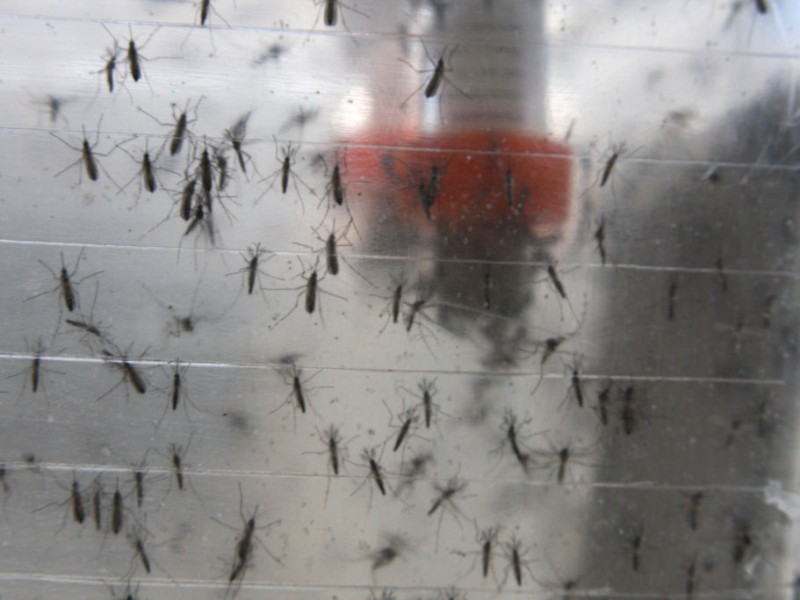
ALBANY — Warmer weather and recent rain raise the threat of mosquitoes, in turn elevating the risks associated with getting bitten and contracting a mosquito-borne illness.
As biting mosquitoes grow more active, the risk is raised for mosquito-borne Zika and West Nile viruses. Only travel-related cases of Zika have occurred in Georgia so far, but residents are still urged to take precautions.
“We know that in order to reduce mosquito-borne illness, we need to reduce the mosquito population,” said Julie Miller, emergency preparedness director for the Southwest Public Health District.
Zika is also spread through sexual transmission, from mother to child, and by blood transfusions. Other methods of transmission are under investigation by scientists. There is no vaccine against Zika.
Zika infections have resulted in infants born with microcephaly and other poor outcomes, so officials advise young women to check with obstetricians before traveling to areas with Zika virus.
Throughout the state, Miller said, traps are being set to catch mosquitoes to track which species are in certain areas of the state so that mosquito-borne illnesses such as Zika are caught earlier.
“(Zika) is a concern on the Public Health radar,” she said. “If you are a traveler, pay attention to the area that you are going to.”
The Zika outbreak last year brought locally transmitted cases to Central America, South America, Africa and Asia, as well as to Texas and Florida, the Centers for Disease Control and Prevention said. As of May 8, 118 travel-related cases had been reported in Georgia, the state Department of Public Health said.
Mitchell County Health Department Lead Environmental Health Specialist Jeffery Avery said the mosquitoes that spread the Zika virus — the Aedes genus mosquitoes — bite during the day and night. Insect repellents containing 20 percent DEET are recommended, as are oil of lemon eucalyptus or Picaridin.
Officials also suggest wearing long-sleeved shirts and long pants when possible, treating clothing with permethrin and eliminating any standing water that can be dumped as mosquitoes breed in water that is stagnant.
“One of the most important things we recommend is making your environment as inhospitable to mosquitoes as you can,” Avery said. “Once a week, empty and scrub, turn over, cover or throw out items that hold water, such as tires, buckets, planters, toys, pools, birdbaths, flowerpots or trash containers.”
Generally, mosquitoes do not travel beyond a short distance, increasing the likelihood of standing water in one’s own backyard being one of the most significant threats. The occasional shower, compounded with the storm damage from earlier this year creating more potential places for breeding, can make this even more important.
“We encourage people to just tip it over,” Miller said.
Along with tipping standing water, Avery urged property owners to cut back bushes near residences where mosquitoes rest and use larvicides in ditches and other spots that hold water that cannot be tossed.
“It is also important to keep window and door screens in good repair to block mosquitoes from entering your house,” he said. “Don’t leave your doors propped open.”
Related Articles
New commander takes helm as Marine Corps logistics adapts to evolving battlefield
Brig. Gen. Kevin G. Collins assumed command of Marine Corps Logistics Command during a change of command ceremony at Marine Corps Logistics Base Albany, succeeding Maj. Gen. Keith D. Reventlow after four years leading the organization responsible for sustaining Marine forces around the globe.

DOT says delay in Oglethorpe Bridge opening should be brief
“We know it’s not going to be July 22. We don’t think it’s going to be much later than that.”

City of Albany has big July 4 celebration planned for Saturday
“It’s going to be a lot of moving and shooting them off in a short time. It’s going to be a big show.”
