
Warmer weather in southwest Georgia prompts rabies education
Rabies is common in southwest Georgia’s wild animal population
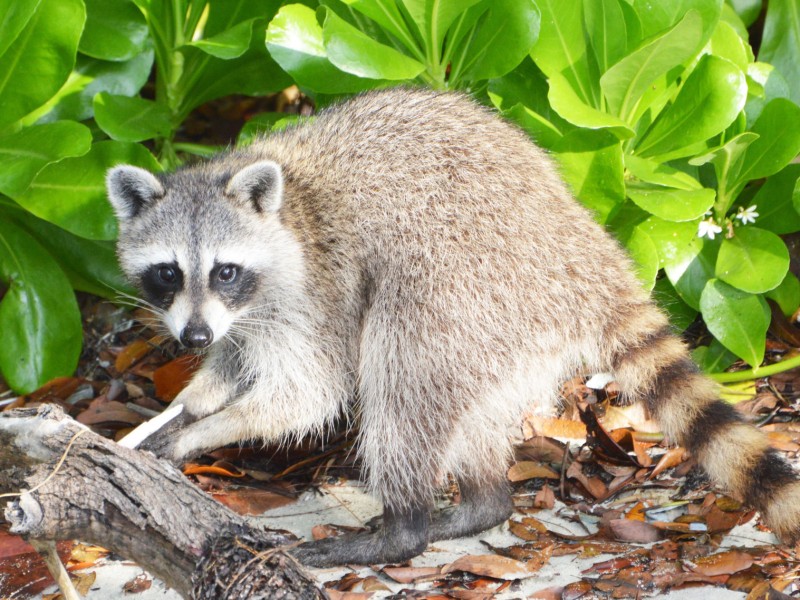
File Photo
From Staff Reports
ALBANY — Spring weather can increase the risk of rabies exposure, making this season of the year a good time to be aware of how to protect themselves.
“This time of year, humans, pets and wild animals are more likely to be out enjoying the weather, which increases the chance of an encounter,” Dougherty County Health Department Lead Environmental Health Specialist James Davis said.
Rabies is common in southwest Georgia’s wild animal population. If untreated in humans, rabies is nearly always fatal.
“Consequently, during any encounter, there is the possibility of rabies exposure,” he said. “We are concerned about people being exposed to the rabies virus through pets whose vaccinations are not up-to-date, through stray animals that have not been vaccinated and through wild animals, any of which could catch the infection and pass it along through their saliva.”
In the winter months, wildlife is often relatively inactive. When spring arrives, animals mate, produce offspring and feed. Sometimes when adult animals look for food, they leave their young alone.
Protective animal parents might attack, or parents might abandon offspring handled by humans, Davis said.
“No matter how cute they are, please don’t handle young animals either,” he said. “Chances are the parents are nearby and will return when you leave.”
Davis advised residents to avoid wildlife that behave oddly, such as nocturnal animals being out during daylight hours or wild animals seeking human interaction.
“Springtime is also when humans and pets begin to spend more time outdoors enjoying the weather,” he said. “As a result, the likelihood of encountering wild animals increases.”
Wild animal species that frequently carry the rabies virus in Georgia include raccoons, bats, skunks, foxes, coyotes and bobcats.
“When they come into contact with strays or unvaccinated pets, they can pass the infection,” Davis said.
The best protection against rabies exposure is to vaccinate pets, he said.
“The most heart-breaking conversations I have is telling pet owners that they are going to have to euthanize their pets because of rabies,” Davis said. “If that animal had just received its annual rabies vaccination, there would have been a happy ending instead of a tragedy.”
Public health officials said anyone bitten by wild animals or strays should seek immediate medical attention and contact their area’s environmental health division and law enforcement.
“You should not attempt to catch the animal yourself,” Davis added. “The authorities will handle that so that it can be tested for rabies.”
Georgia law requires dogs and cats three months old and older to be vaccinated against rabies. Pet ferrets should also receive rabies inoculations, along with susceptible livestock, Davis said.
For more information about rabies, visit www.cdc.gov/rabies.
Related Articles
Small actions can help save big on utility bills
The high temperatures of July and August can bring scorching utility bills as air conditioners hum to keep houses cool. Albany Utilities Residential Conservation Auditor Willie Jackson offered some tips on making summer cooling bills more manageable.
Bigger budget will mean improvements at Dougherty County’s landfill
“It’s certainly an opportunity where we can grow and make this very beneficial for years to the community. It’s a service that we provide for the community and I want to prolong that resource for the community. It’s not just fill it up and close it.”
Putting on the Ritz: The rise, fall and renewal of Albany’s Harlem District
On July 7, the Albany City Commission unanimously approved final construction drawings for a comprehensive restoration of the Ritz Theatre and Cultural Center, clearing the way for the project to move into competitive bidding after years of planning and preservation efforts. The decision marks the latest chapter in a decades-long effort to preserve one of Southwest Georgia’s most significant African American landmarks.
