
Mapping tool could help decide debate over ‘navigable’ waterways

Special Photo: GRN
Special Photo: GRN
Special Photo: GRN
Staff Reports
[email protected]
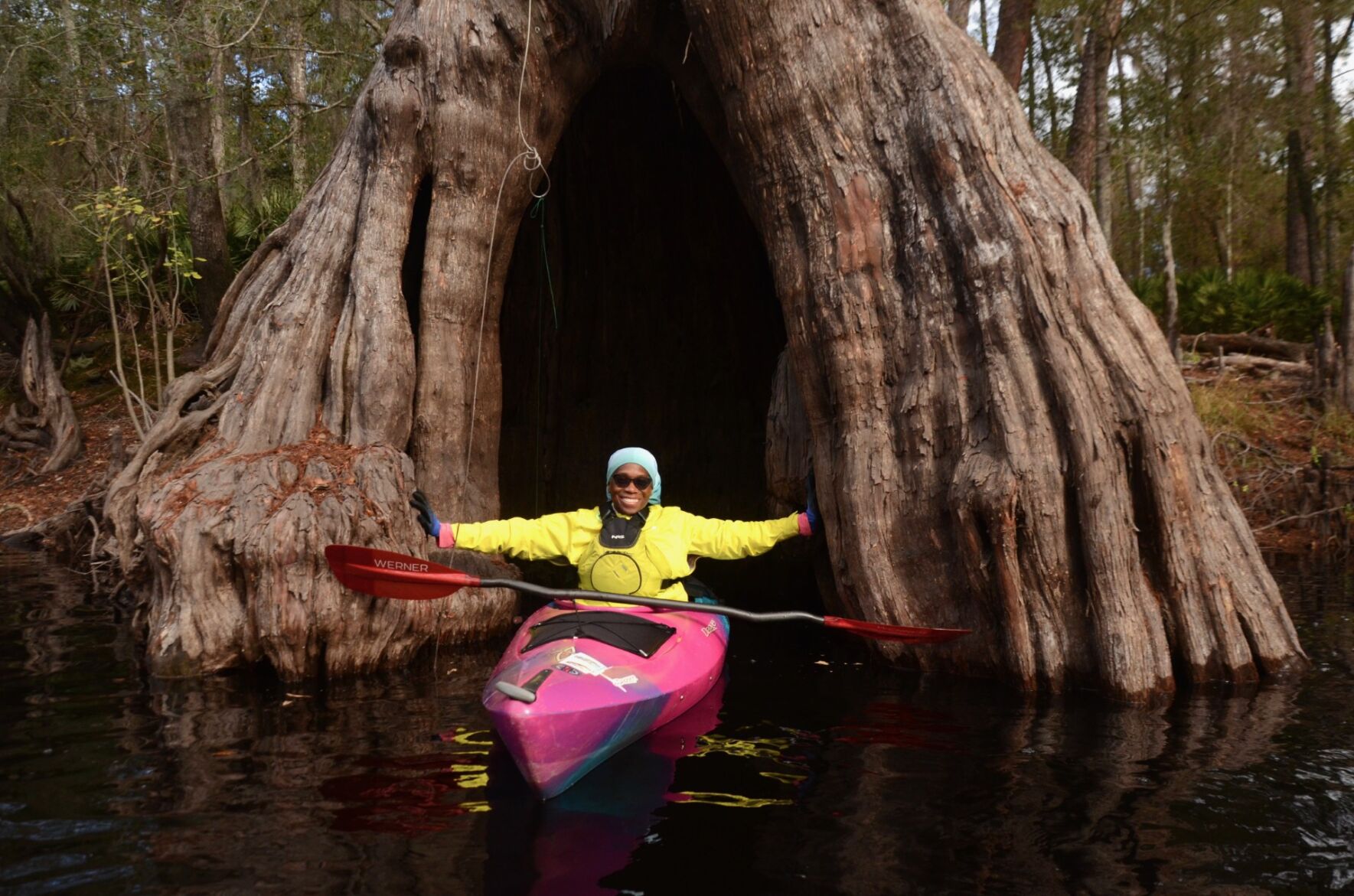
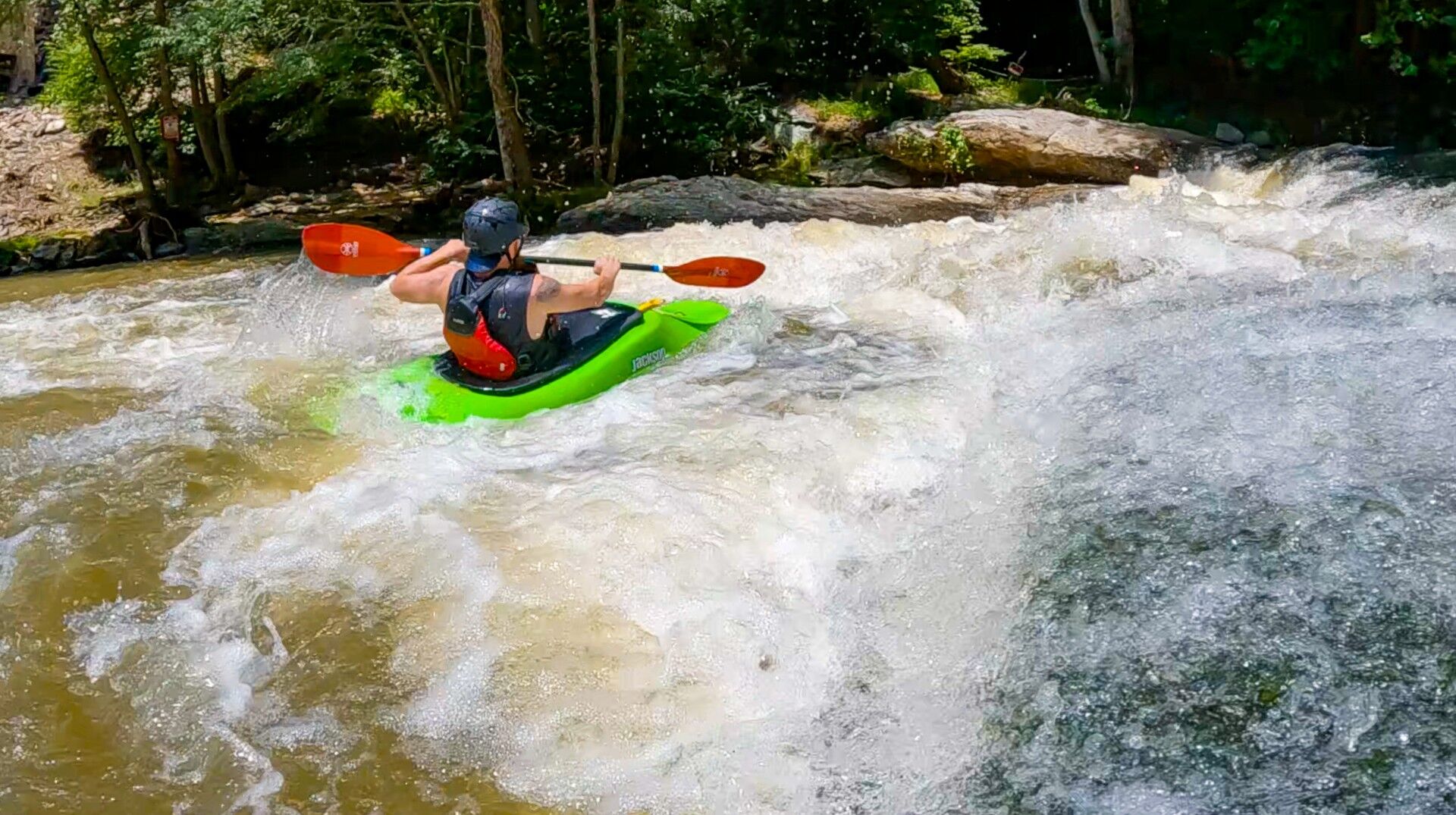
ATHENS — Georgia legislators meeting later this year to solve the prickly issue of which streams in the state should be open to the public for recreation will have another tool to inform the debate, thanks to a coalition of outdoor recreation organizations.
The tool is an online map that allows river users to document which sections of rivers and streams they have boated upon in the past. Interested boaters can input their trips at https://arcg.is/1Dr95C1.
“The goal of the map is to give paddlers a way to contribute information about some of the streams and rivers that they are using,” said Kevin Colburn, the national stewardship director with American Whitewater, which created the online tool. “Georgia leaders need to know the extent to which even small streams support the state’s robust outdoor recreation and tourism economy.”
In 2022, boating and fishing were responsible for more than $1 billion in economic activity in Georgia. The state’s rivers and streams support some 70 canoe/kayak/tube outfitter businesses and countless fishing guides along with businesses ranging from outdoor retailers and manufacturers to convenience stores and hotels.
The Freedom to Float Coalition, which includes American Whitewater, Georgia Canoeing Association, American Canoe Association, Tennessee Valley Canoe Club and Georgia River Network, is urging lawmakers to preserve existing river uses and protect the public’s ability to float down these streams.
Top outdoor recreation business leaders have signed on to this initiative in a letter to legislators asking them to defend the right to boat Georgia’s rivers and streams. Some of these leaders include High Country Outfitters, Nantahala Outdoor Center, Southeast Adventure Outfitters, Outdoor Foundation, Trust for Public Land as well as Georgia-based manufacturers like Dreamboats Kayaks and Suspenz Kayak Carts & Storage.
The House Study Committee on Navigable Streams, set to meet in the coming months, grew out of controversy surrounding where Georgians have the right to boat, fish and hunt on the state’s waterways. Current state law guarantees the public’s right to access all of the state’s navigable streams, but the state’s definition of “navigable” dates back to 1863 when steamboats and cotton barges were the most common vessels seen on the state’s rivers.
That 1863 definition asserts that for a stream to be navigable, it must be capable of floating a boat loaded with freight.
“Aside from being vague — what qualifies as freight? — that definition no longer reflects how we use our rivers today,” Andrea White, community programs coordinator with Georgia River Network and a member of the American Canoe Association board of directors, said. “None of Georgia’s inland rivers currently supports boats loaded with commercial freight, but they do support hundreds of businesses that serve a robust river recreation economy.”
Whether a stream is deemed “navigable” has far-reaching implications because of the state’s property laws. Along navigable streams, property lines end at the low water mark along the bank, but state law provides that landowners along non-navigable streams own the streambed to the center line. In the 1990s, the Georgia Supreme Court ruled in two separate cases that a landowner possessing both sides of a stream can restrict the public from passing down that stream.
To date, those decisions on Ichawaynochaway Creek in southwest Georgia and Armuchee Creek in northwest Georgia represent the only two instances where the courts or the state legislature has deemed a stream “non-navigable” in the modern era, according to the FTFC.
Earlier this year, in an effort to clarify where the public can boat, fish and hunt, lawmakers introduced legislation that named sections of 64 streams and rivers as “presumed navigable.” It was met with opposition from both landowners and outdoor recreation advocates and led to the creation of the study committee on navigable streams.
Left off that “navigable” list were dozens of popular tourism destinations, including streams like Ebenezer Creek, South Chickamauga Creek and Big Cedar Creek and the Cartecay River and Upper Chattahoochee River, where outfitters provide canoe, kayak and tube rentals.
“In these locations, if the stream is presumed ‘non-navigable’ a single property owner could shut down businesses that have operated for decades,” Dan MacIntyre, the river access chairman with Georgia Canoeing Association, said. “The legislature needs to preserve these existing uses and protect the right to float or pass down these streams regardless of whether they meet the state’s outdated definition of navigability.”
The FTFC is urging citizens to contact their legislators about this issue. Additional information and links to action alerts can be found at https://garivers.org/protect-our-freedom-to-float-georgia-rivers/.
Georgia River Network is a statewide nonprofit river advocacy group with the mission to connect people with and protect Georgia’s rivers. GRN is Georgia DNR’s nonprofit river recreation partner coordinating the statewide water trails program and created the Georgia River Guide free mobile app.
Author

Related Articles

Dawson finance director resigns as city reworks troubled FY ’27 financial plan
Dawson Finance Director Dawn Williford resigned Friday as city officials work to revise the financial report presented to the City Council earlier this month and prepare a final fiscal year 2027 budget for public review. A high-ranking city official confirmed Williford’s resignation Friday. Additional details about the circumstances of her departure were not immediately available.
Dougherty County residents experience sticker shock with tax notices
Dougherty County property owners are reacting to an increase in property values that are the result of a comprehensive revaluation of all 37,000 properties in the county. Dougherty County officials say that the increase in property valuation does not necessarily mean a higher overall tax bill.
As assessments climb, DCSS signals sizable millage cut
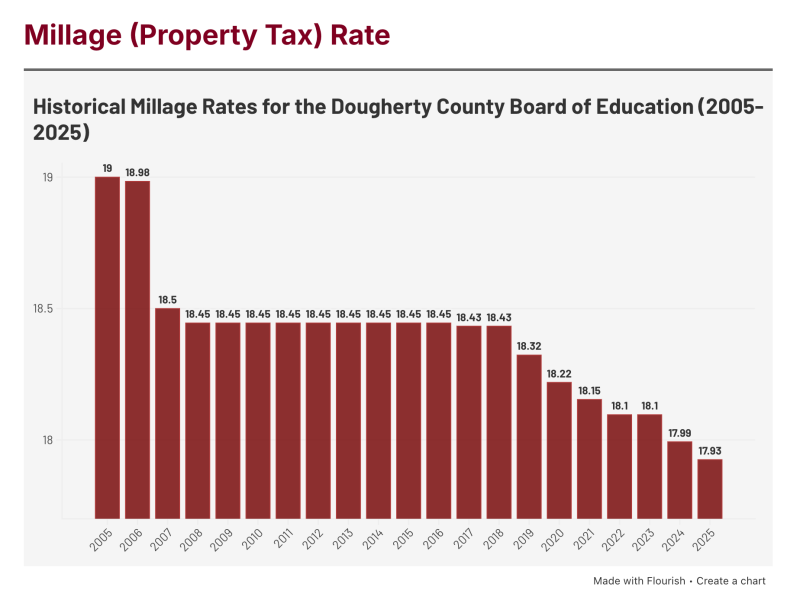
As Dougherty County property owners react to sharply higher reassessed values, school officials say the Dougherty County School System expects to substantially reduce its property tax rate for the ninth consecutive year.
