
Massive rainfall totals cut into profits for southwest Georgia cotton, peanut farmers
Staff Photo: Alan Mauldin
By Alan Mauldin
[email protected]
LEARY — It’s a rare occasion when southwest Georgia farmers are humming the “Rain rain, go away” tune, but 2021 was an unusual year that saw heavy rainfall during the growing season for the region’s row crops.
The rain-soaked ground delayed applications of fertilizer and pesticides, damaged plant roots and delayed harvests.
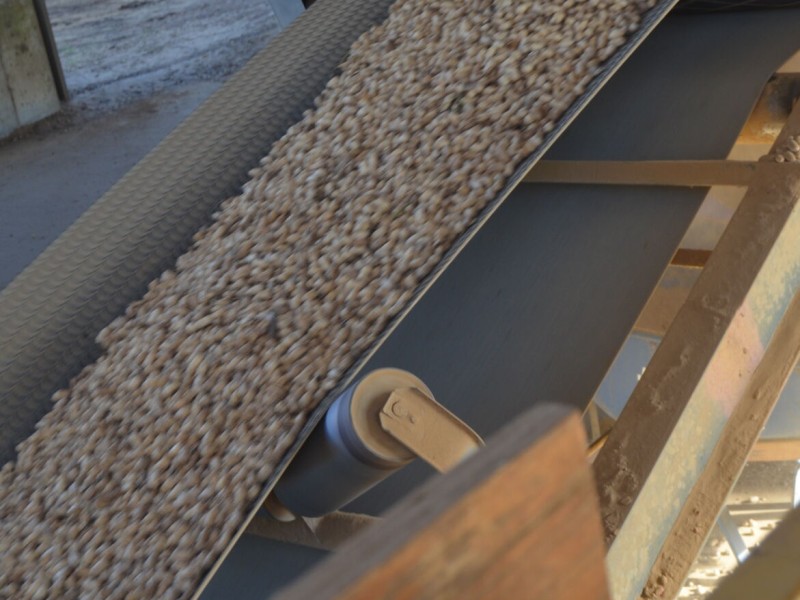
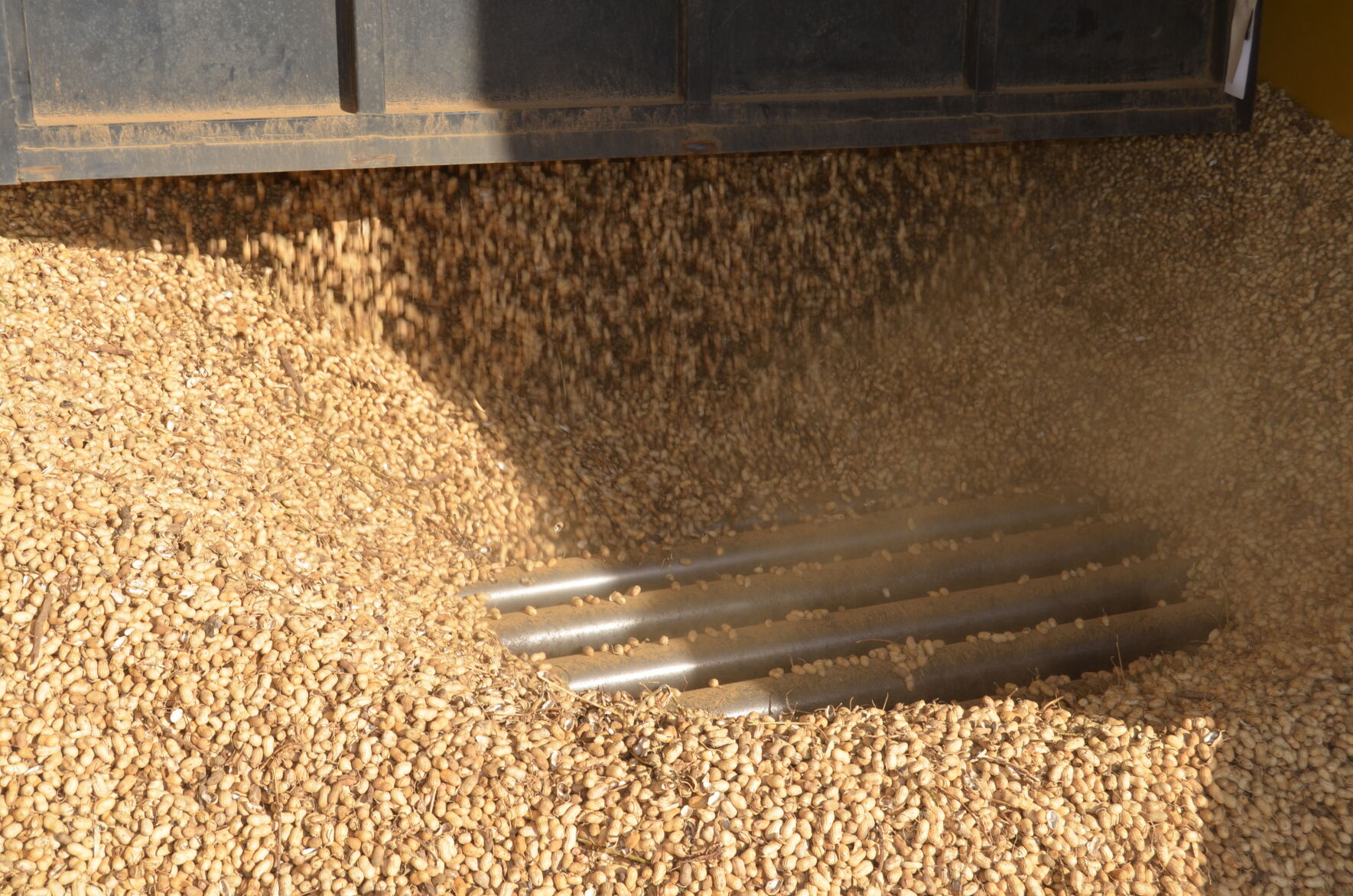
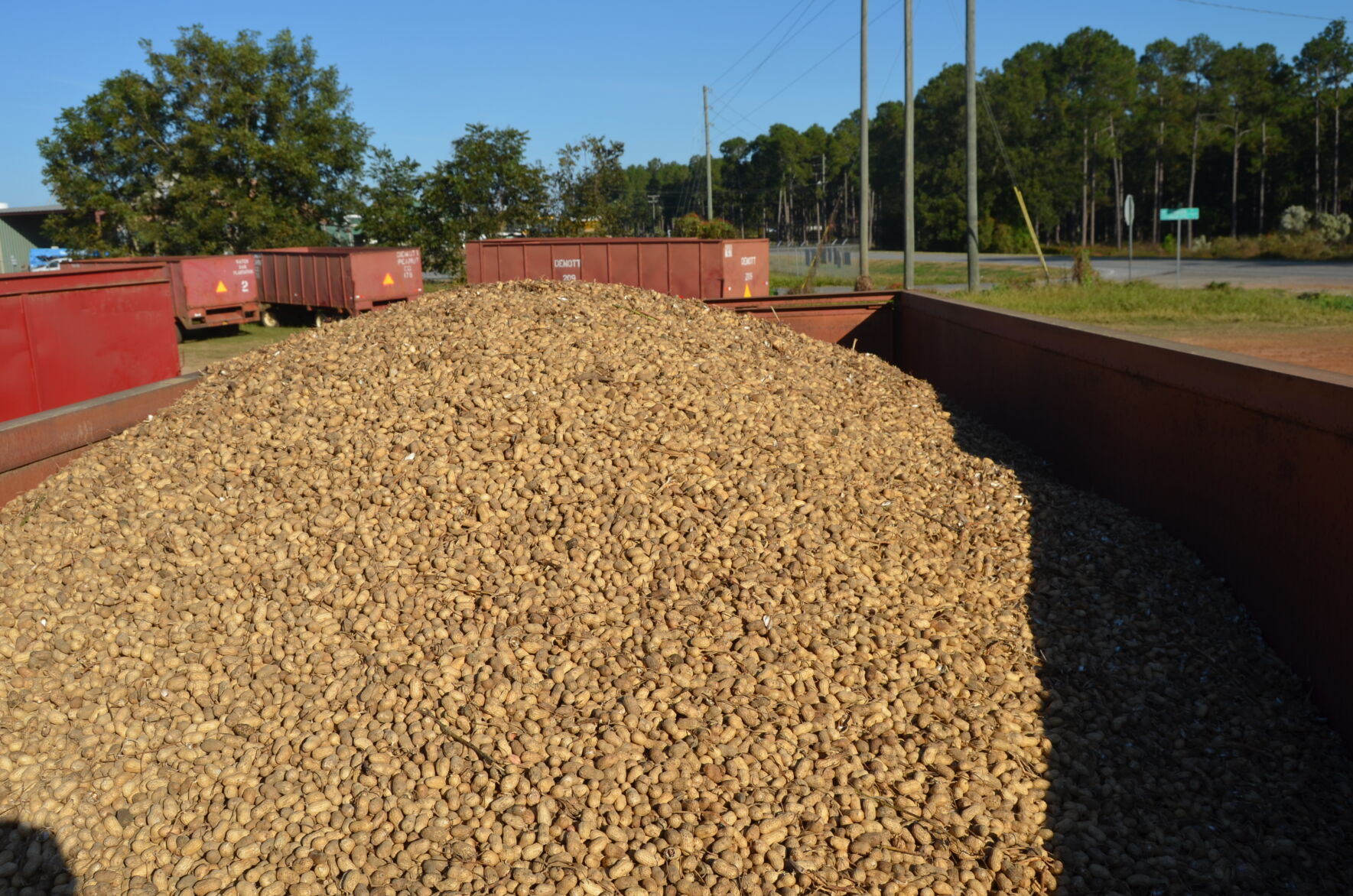
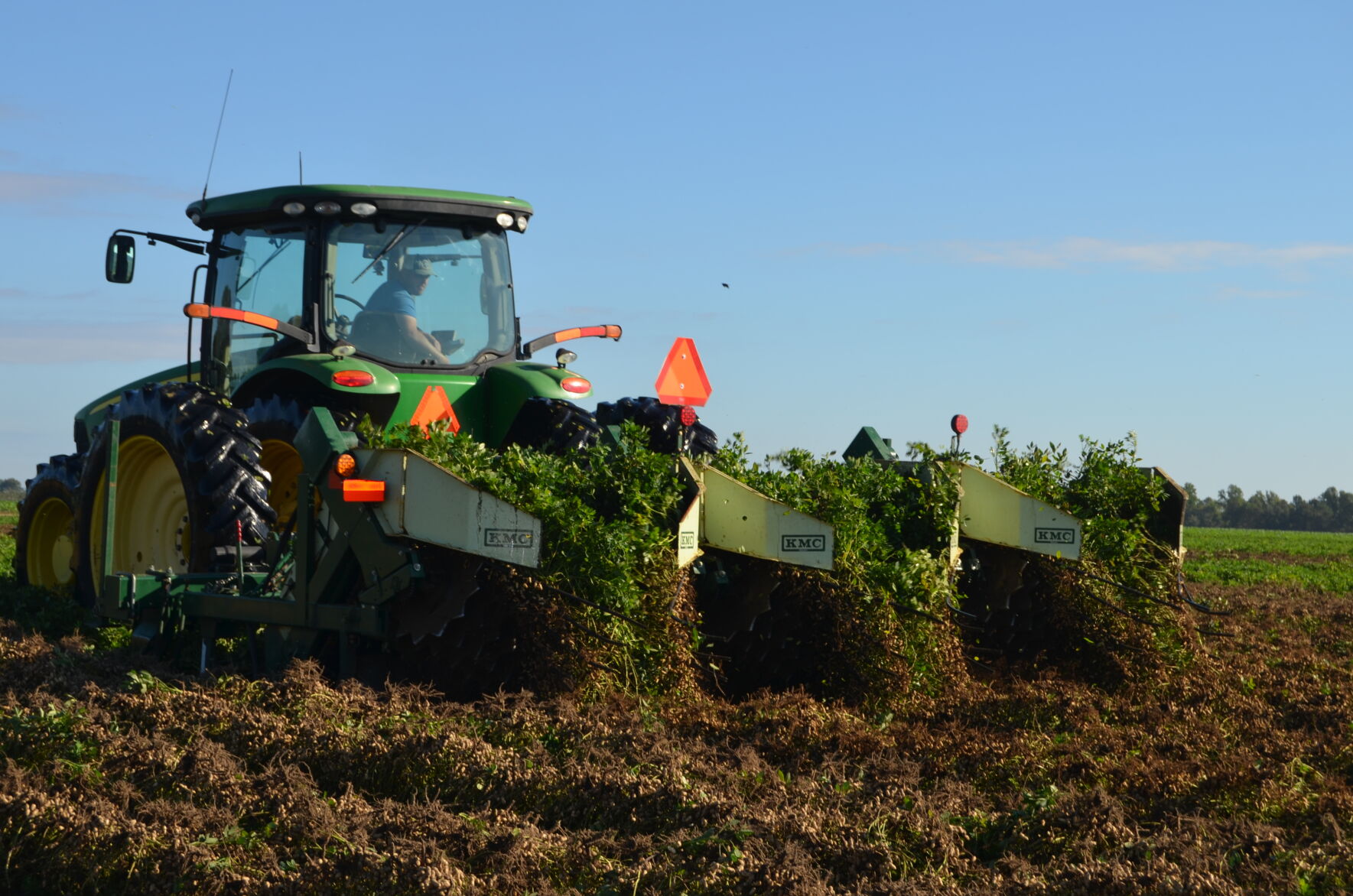
As he was wrapping up peanut picking this week, Calhoun County farmer Jimmy Webb estimated the cumulative effect of the prolonged wet weather was a 10 to 15 percent reduction in yield for his 2021 crop.
“I think this is my 38th crop, and I don’t remember it (ever) being this wet,” he said. “Roots can’t absorb any nutrients, can’t even grow if they’re saturated all the time. Too much water is just as bad as not enough water.”
Webb estimated that cotton, which was still being harvested, would suffer a similar hit in yield.
There was one bright spot, however.
“I would say I’ve had the best corn crop I’ve ever had,” Webb said.
From June through September, 49.24 inches of rain were measured at the University of Georgia’s weather station at Spence Field in Moultrie, site of the Sunbelt Ag Exposition. That was double the amount in 2020, and there was measurable rainfall for 65 days during those four months in 2021.
Average rainfall for a year in southwest Georgia is about 50 inches coming over about 100 days. Rainfall varies from location to location, but there is no doubt the region as a whole experienced an unusually wet growing season.
“The good news is commodity prices are good,” Webb said. “We’ve had the best commodity prices we’ve had in a long time. That’s what hurts. If we had made a bigger crop, we would have hit a home run.”
Peanut prices are in the $500 per ton range, better than the usual prices of $400 to $425 per ton, he said.
“That’s going to help,” Webb said.
Despite the weather, it wasn’t a bad year for cotton and peanuts, said Colquitt County agricultural extension agent Jeremy Kichler, with some reporting peanut yields as high as 5,000 pounds per acre.
Still, the lost production will hurt. Kichler said the 10 to 15 percent reduction Webb related could be a good estimate in general.
“That 15 percent, that’s their 15 percent, which is their profit,” he said. “We’ve had so many challenges. It’s been crazy, from a disease-management standpoint. I’ve seen farmers who just couldn’t get in their fields. From a quality standpoint, I think we did really well.”
Those challenges look to extend into 2022, with farmers looking at a landscape with high prices for farm chemicals and fertilizer.
Farmers will need to look at the best mix of crops to maximize profits with an eye toward reducing the costs of those inputs, Kichler said.
“Even though commodity prices are going up, input prices are going up, too,” he said. “With prices like these, we’re going to have to make every input count. Fertilizer is going up. It seems like it’s going up by the day.
“It’s weird times we’re going through right now, from logistics to labor. Every year is different.”
In 2019, direct payments to cotton growers in the state, not counting additional payments received by farmers, totaled $983.6 million, according to the University of Georgia. Crisp County was tops at $59.4 million, with Colquitt, Decatur, Early, Miller, Mitchell and Worth counties also in the top 10.
Direct peanut payments to peanut growers totaled $663 million. Top peanut-producing counties included Crisp, Dooly, Decatur, Miller, Mitchell and Worth.
Author

Related Articles
Albany recycling center enacts material separation rule
Mixed items will no longer be accepted at the Albany recycling center at its 2521 Meredyth Drive facility. Individuals will now be required to separate items befor they will be accepted.

Wild Game Dinner marks 34 years as South Georgia Scouting reaches for next generation
More than a century after organized Scouting first took root in Southwest Georgia, local leaders say the program is working to preserve its traditional mission while adapting to a new generation of young people.
Albany City Commission takes action on proposed downtown hotel, two theater renovation projects
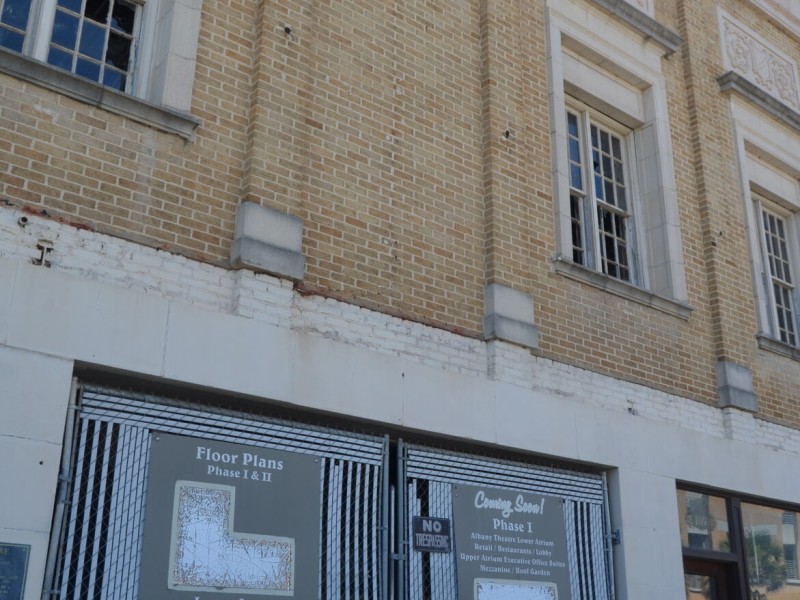
“We’re taking the original building back to, hopefully, it’s glory days. One of the cool things about the project is we are going to restore the balcony. It’s going to have a balcony, so it’s going to be super cool.”
