
Mathis says county ‘losing ground,’ pushes for leadership reset
Mathis outlined a platform centered on strengthening financial oversight, reducing what he called wasteful spending, rebuilding reserves and prioritizing essential services. He tied those efforts directly to broader outcomes such as infrastructure improvements, public safety and economic growth.
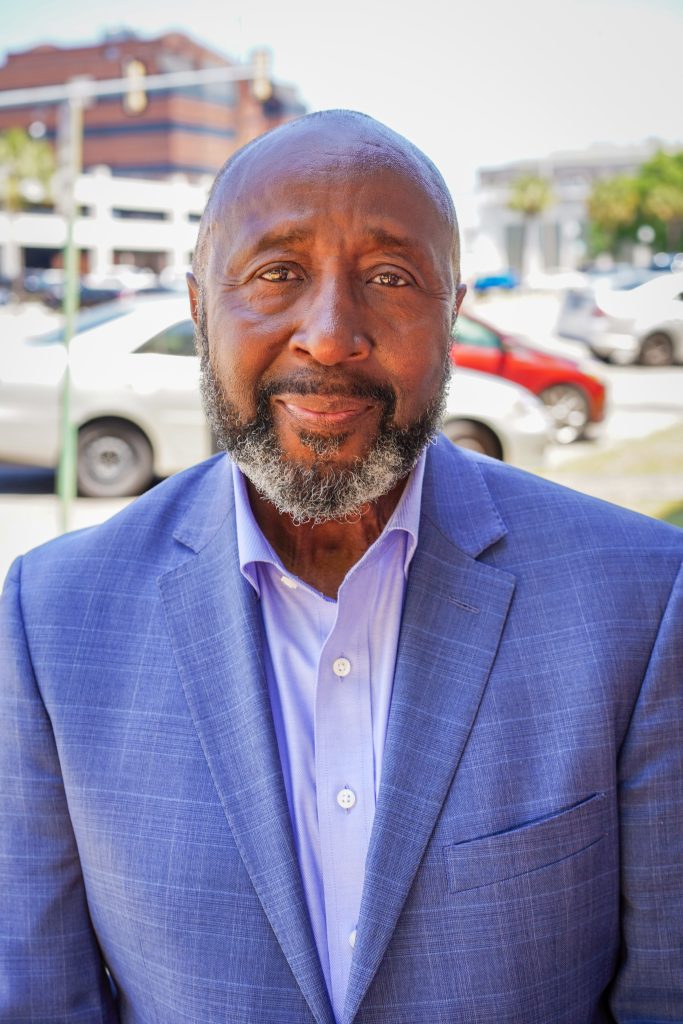
ALBANY — Framing his campaign around fiscal discipline, infrastructure investment and what he calls a need for “visionary leadership,” Dougherty County Commission chairmanship candidate Henry Mathis said he is entering the race out of concern for the county’s long-term stability and growth.
“I love Albany and Dougherty County,” Mathis said in a recent interview. “But when I look at the condition of our city and county — we’re losing population, our tax base is not growing — that’s a red flag for me. I just could not continue to sit on the sideline.”
Mathis, who emphasized experience in public service and knowledge of local government, is positioning his campaign around what he describes as a breakdown in financial management and a lack of focus on core governmental responsibilities. He said one of his top priorities, if elected, would be stabilizing county finances amid what he characterized as a structural imbalance.
“Expenses have grown faster than revenues under this administration. We can’t operate that way,” he said. “Our government must operate with discipline, transparency and accountability.”
Throughout the interview, Mathis returned frequently to a set of core themes — accountability, fiscal restraint and regional collaboration — often delivering responses in measured, prepared language that underscored his message. He outlined a platform centered on strengthening financial oversight, reducing what he called wasteful spending, rebuilding reserves and prioritizing essential services. He tied those efforts directly to broader outcomes such as infrastructure improvements, public safety and economic growth.
A significant portion of Mathis’ platform focuses on infrastructure, which he described as foundational to both quality of life and economic development. That includes long-term planning for roads, bridges and drainage systems, as well as addressing ongoing issues within county facilities.
Among the most pressing concerns he noted, Mathis pointed to conditions at the Dougherty County Jail, including the need for critical upgrades.
“We can’t keep kicking the can down the road,” he said, noting the facility’s age and deferred maintenance. “We have to move expeditiously to resolve those problems. The jail is 30-plus years old. It should have already been addressed.”
Mathis said improving the jail is not only a matter of infrastructure, but also of public safety and operational efficiency, adding that the county must support the sheriff’s office with modern systems and resources.
Beyond infrastructure, Mathis emphasized economic development strategies focused less on direct public investment and more on creating conditions for private-sector growth.
“Government should not be in the business of funding risky ventures with taxpayers’ dollars,” he said, cautioning against large public investments in people and projects without proven development experience. “We can’t have someone with no development experience come before the commission and ask them for money, several million dollars, to go out and do certain projects, but (with) no experience, no background in development.
“We cannot afford these risky, risky investments. Instead, our job is to create the conditions that attract private investment, strong infrastructure, predictable policies, efficient permitting and strategic economic partnerships.”
Mathis repeatedly stressed the importance of collaboration — particularly between Dougherty County and the city of Albany — as well as with surrounding counties and state agencies.
“Dougherty County cannot operate in isolation,” he said. “Economic growth today is regional, not just local.”
He pointed to local assets such as water availability, geographic location and existing industry as strengths that could be leveraged through a more coordinated regional approach, though he did not outline specific initiatives or partnerships currently in development.
Mathis suggested that a lack of structured recreational opportunities is contributing to concerns about youth crime and violence, pointing to limited outlets for engagement as a factor in rising incidents.
“When kids have nothing to do, that can lead to a bad situation,” he said, noting that while the city holds primary responsibility for many youth programs, the county can play a supporting role through partnerships aimed at expanding recreational and community-based opportunities.
He framed youth engagement and education as closely tied to long-term economic stability, arguing that retaining local students as they move through the education system could help strengthen the county’s work force and attract new business investment.
“We have the high school system, we have the technical college, and we have the university — that’s talent that’s being grown and produced right here,” Mathis said. “But at the same time, we have an academic hemorrhaging that is going on.”
Mathis said reversing that trend will require creating more opportunities locally for young people to stay, work and build careers.
If elected, Mathis said his first day in office would focus internally — meeting with county employees and leadership to set expectations and establish what he described as a more supportive internal culture amidst concerns about work place climate.
“You don’t have to work fearing your job,” he said. “We’re going to create an environment that is employee-friendly and focused on delivering services to the taxpayers.”
Throughout the interview, Mathis returned to a consistent message of accountability, both in governance and leadership style, reinforcing a campaign built on broad principles rather than detailed policy prescriptions.
“I don’t believe in wasteful spending; I believe in transparency and accountability,” he said.
Mathis framed the role of commission chairman as setting the tone for the county’s direction — one he believes must shift toward disciplined, forward-looking leadership.
“If we focus on our core responsibilities with vision and discipline,” Mathis said, “we can stabilize our finances and move Dougherty County forward.”
Related Articles
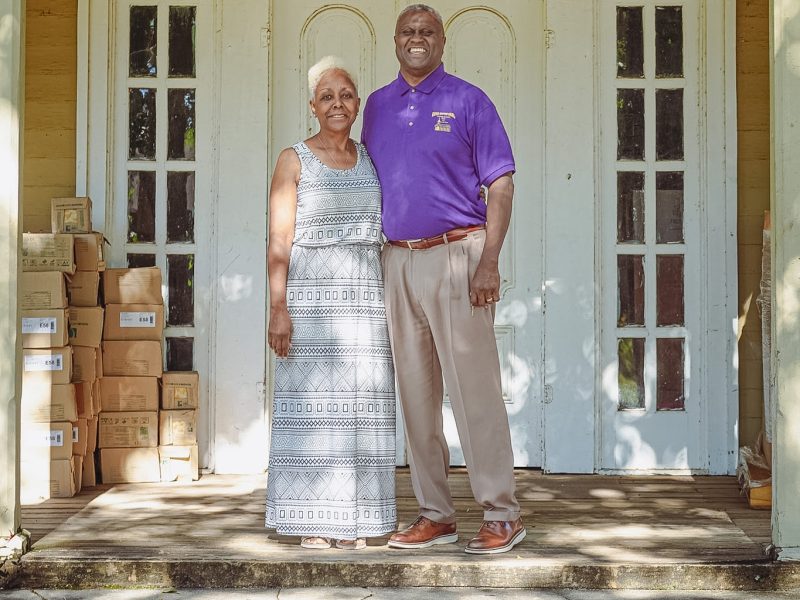
Take what you need — even the house
The old house at 577 Orange St. has spent much of its life being asked to become something else.
Now the old giving house needs a favor in return.
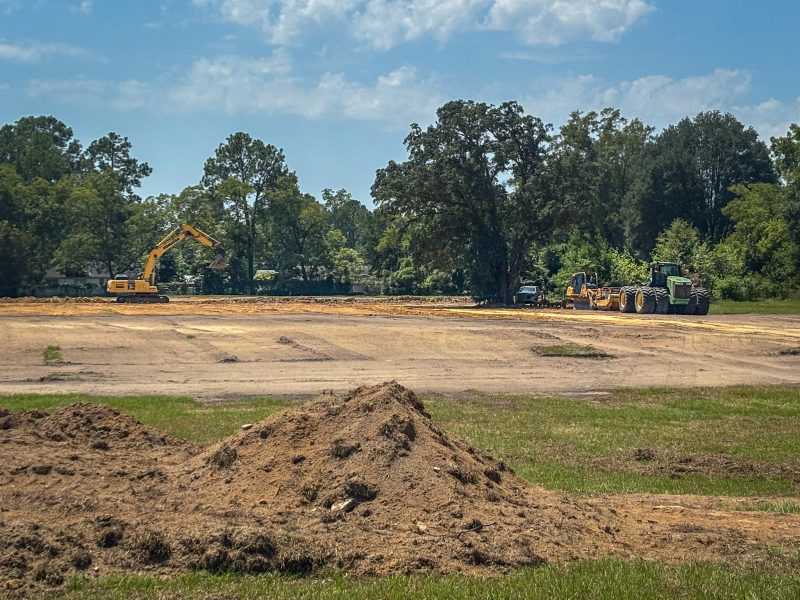
Albany officials debate walking trail as South Madison Street-Alice Avenue drainage project moves forward
As heavy equipment reshapes land for a long-awaited drainage project in south Albany, Ward 6 Commissioner Diane Brown is pushing the city to make sure the neighborhood gets more than a holding pond.
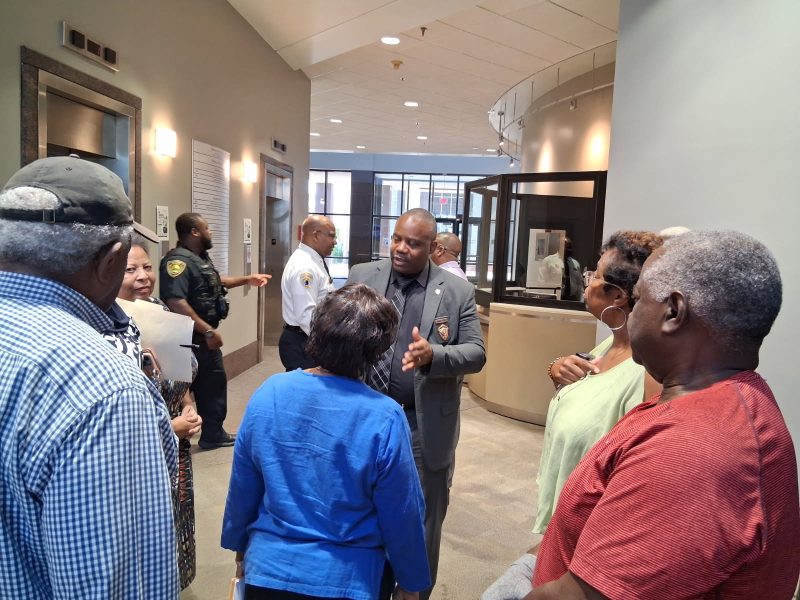
Albany City Commission hears from residents opposed to group home in residential neighborhood
“We are not here to speak bad of the young men that will possibly be coming into our neighborhood,. Our concern is the proposal at this particular property.”
