
MICHAEL GERSON: President Obama plays lottery in Middle East
Michael Gerson
As the world and the U.S. Congress examine the Iran deal’s fine print, the strategic large print is clear enough. “Obama wants this [deal] as a centerpiece of his legacy,” an anonymous American diplomat is quoted, “and he believes a peaceful Iran could be a bulwark against ISIS in the Middle East and the key to peace there.”
The determination to engage enemies is a hallmark of Obama’s foreign policy. With Iran, as with Cuba, he hopes to upend old strategies of isolation and sanctions, drawing rivals into a web of cooperation that ends up improving their behavior. It is Obama’s version of regime change — the nonviolent advance of rational, modern norms because they are, well, rational, modern norms.
So the Iran deal is really a high-stakes, strategic bet. The agreement allows a decade of managed and monitored nuclear proliferation while Iran is engaged, first on security, but eventually across the range of the relationship. Under the terms of the agreement, Iran will emerge from this period as a nuclear threshold state, free from most sanctions, but hopefully, by that point, a “key to peace.” The alternative, the president argues, is a path of isolation and confrontation that is likely to lead to war.
But is Obama’s bet a reasonable one? Is he playing blackjack or the lottery?
In an interview with Ruth Marcus and myself for The Washington Post Campaign Close-up series, Sen Lindsey Graham describes Obama’s approach to Iran as “dangerously na
Related Articles
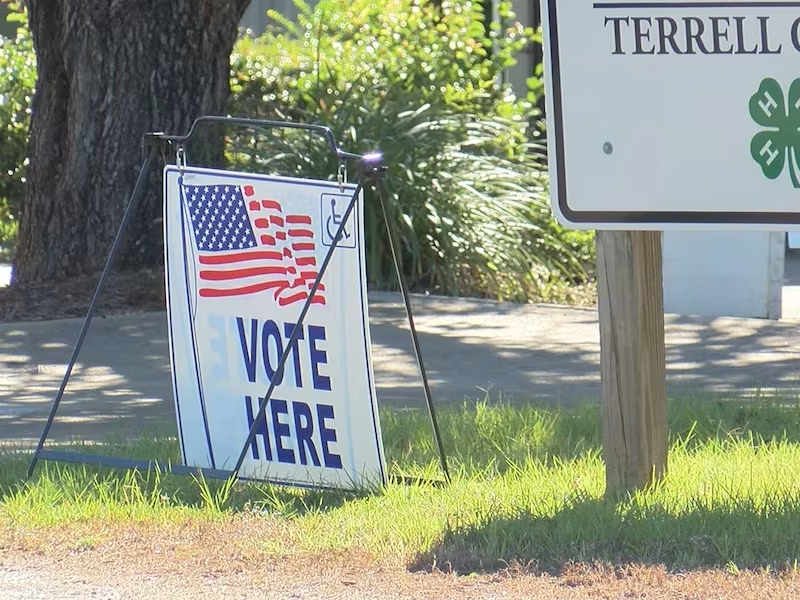
Who decides elections in Terrell County? Data show older voters dominate turnout as turnout declines
According to the Georgia Secretary of State, 1,731 of Terrell County’s 6,048 active registered voters cast ballots in the May primary, a turnout rate of 28.6%. Four weeks later, only 922 voters participated in the June 16 primary runoff, reducing turnout to 15.2%.
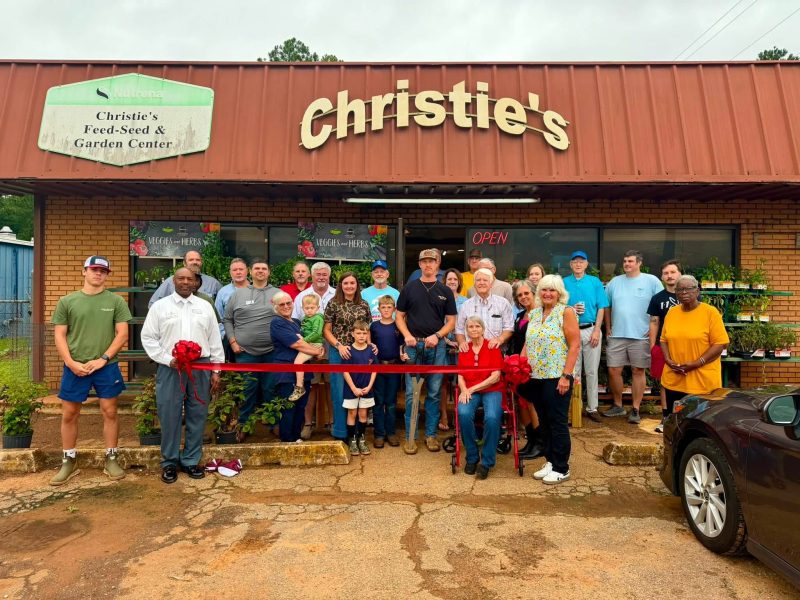
Christie’s Feed & Seed enters new chapter under new ownership
A longtime Dawson business has entered a new era as Riley and Jessie Davis officially assumed ownership of Christie’s Feed & Seed, with the Terrell County Chamber of Commerce marking the transition during a ribbon-cutting ceremony.
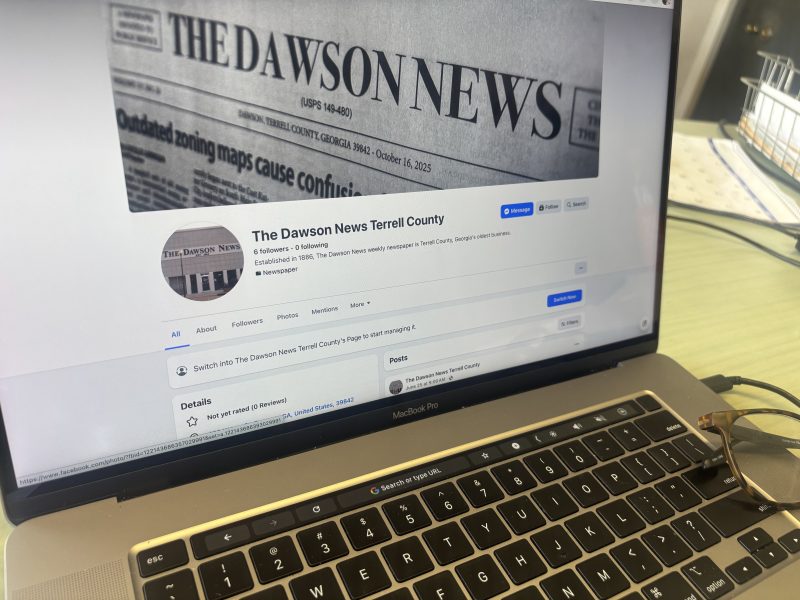
Dawson News grows online with Albany Herald website, Facebook page
Residents can now find Dawson News coverage alongside regional reporting on the Albany Herald’s website while also following breaking news, community events and feature stories through the Dawson News Facebook page.
