
Middle District of Georgia proposes local rule change
Terry Lewis
ALBANY — The Middle District Court of Georgia is proposing a local rule change regarding contact with jurors after federal trials are over. The rule, which tightens requirements of contact, has caught the attention of some trial lawyers.
The 20-word proposed rule states: “No juror shall be contacted without express permission of the court and under such conditions as the court may decide.”
“It’s not unusual for lawyers to talk to jurors after trials to improve their skills,” former Dougherty County Magistrate Judge Ralph Scoccimaro said. “But it’s a whole new ballgame in federal courts, which are very protective of their jurors. This proposed rule change is aimed at trial lawyers. What is a little troubling to me is, as it is currently written, the media could also have some first amendment issues with it.”
David Hudson, an attorney who specializes in media issues and works closely with the Georgia Press Association, said he understood the court’s desire to protect its jurors. But Hudson expressed concern as to the open-ended nature of the proposed rule.
“The courts have authority to safeguard the integrity of the jury process and to protect the jurors from contact, even after the trial,” he said. “The proposed rule is ambiguous and perhaps overbroad because it applies to any type of case, whether routine or extremely serious, and there is no time limit for the no-contact rule. And it does not express that the contact has to relate to a case that was litigated in federal court.
“It would be well if the court tightened up those aspects of the proposed rule.”
Former Dougherty County District Attorney Ken Hodges said he thinks there may be some constitutional problems with the rule.
“No juror, state or federal, should be subject to harassment by anyone,” Hodges said. “The proposed rule is so broad, I think they could have some constitutional problems. If enacted as currently drafted, it could prevent any investigations into juror misconduct and infringe on the constitutional rights of defendants.”
Albany attorney Bo Dorough, while not directly criticizing the proposed rule, said he thought it needed to be more specific before being adopted by the court.
“Clearly, an attorney should have the right to contact a juror after a trial is over, and that juror has the right to speak or not to speak,” Dorough said. “I think the court should not promulgate this rule without being more specific in the wording.”
Hudson agreed and suggested adding language to the proposed rule.
“It would probably be a good thing for the rule to include a provision that any party, or member of the public, may petition the court at the conclusion of a case for permission to contact jurors and that permission will not be denied absent compelling reasons stated in writing for denying the request,” Hudson said.
The Court is soliciting public comment on the matter and is asking that all opinions be sent to [email protected].
Related Articles
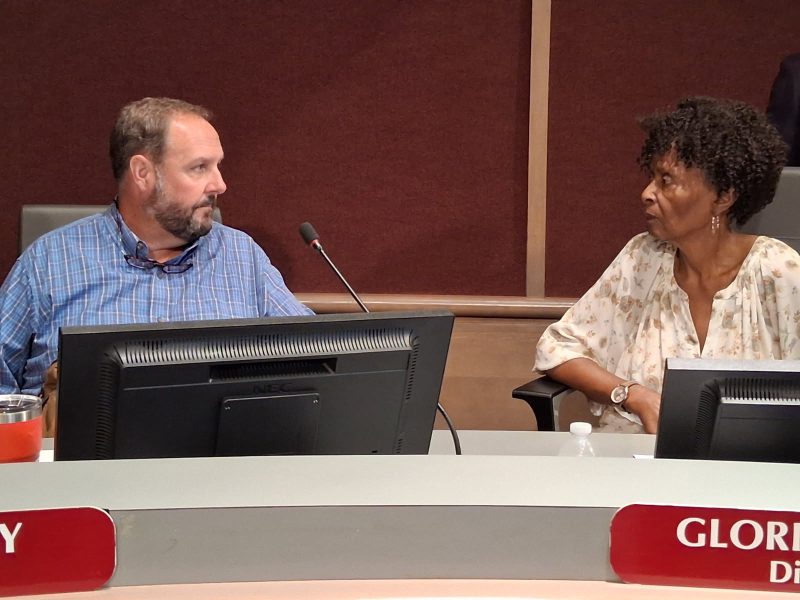
Dougherty Commission considers $104 million budget for 2026-2027 budget year
“The other side of the coin is you could have higher revenues than projected. We’re very conservative in budgeting revenues. That also reduces the need to use fund balance”
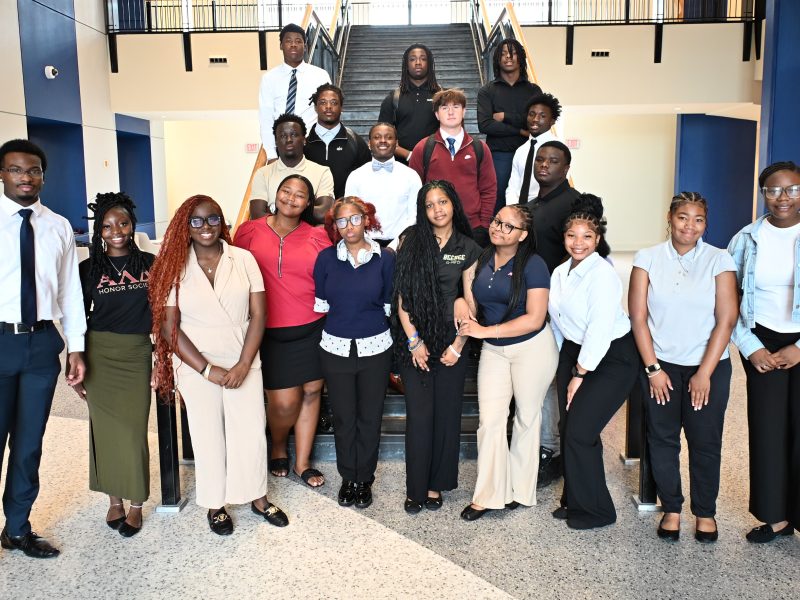
PHOTOS: Albany State Summer Success Academy
Photos by Reginald Christian, Albany State University

Albany gas prices among Georgia’s lowest as summer fuel costs decline
According to AAA, the average price for a gallon of regular gasoline in the Albany metro area was approximately $3.45 this week, making Albany the second-least expensive metro market in Georgia behind Dalton at $3.41 and slightly ahead of Brunswick at $3.48.
