
Panel discusses 2020 election, new election rules during law day in Albany
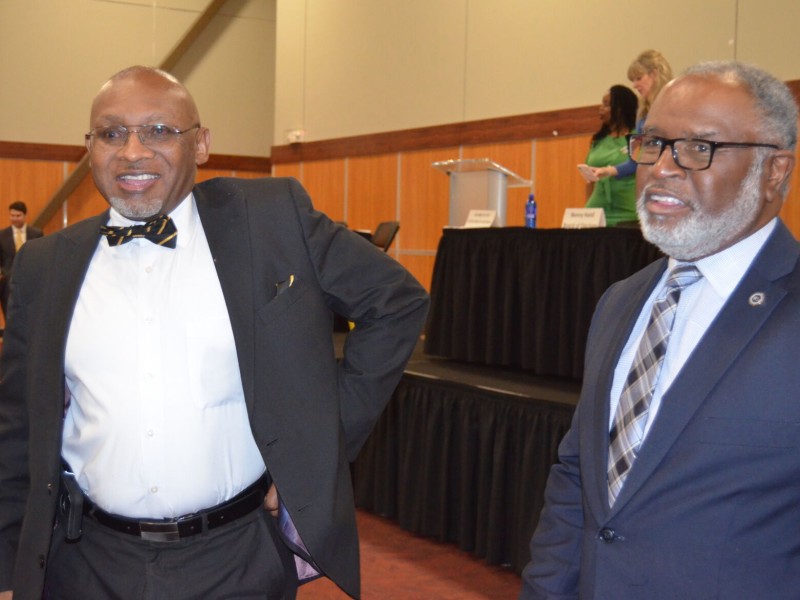
Staff Photo: Alan Mauldijn
By Alan Mauldin
[email protected]
ALBANY — The Dougherty County Bar Association hopes a Wednesday panel discussion that featured local and state election officials and a Florida State University professor will help educate the public about the 2020 election.
The forum was part of Law Day for the association, and panelists fielded questions about the 2020 claims of voter fraud in the state and how the issue impacts voters’ perceptions about voting.
“This year, (with) the theme being the constitution, we wanted to focus on voter rights,” said Sallay Jusu, president-elect of the bar association, who organized the event held at the Albany State University West Campus. “There’s a new law, Senate Bill 202. It affects everybody with new changes to early voting, drop boxes and identification requirements,”
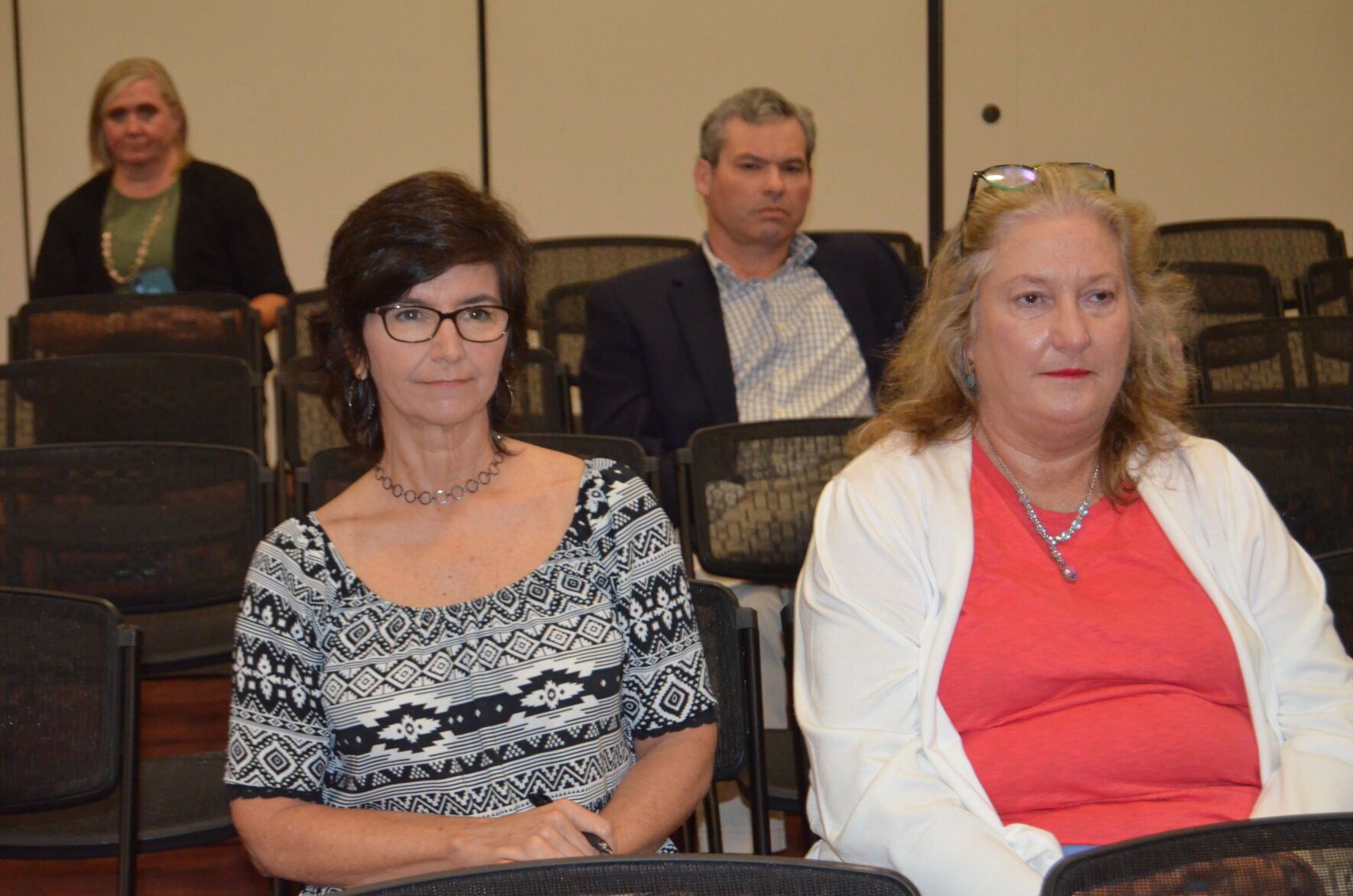
The panelists answered written questions from bar association members and the audience of about 21.
While wishing the turnout was a little better, Jusu, who works as an assistant district attorney, said those who were there can share the message.
“The best way to get the word out is word of mouth,” she said. “I’m hoping the folks who came in today can take the word and spread the word about changes in the law and the impact on them.”
The panelists agreed on the discussion’s big topic: The 2020 election was not marred by any significant fraud.
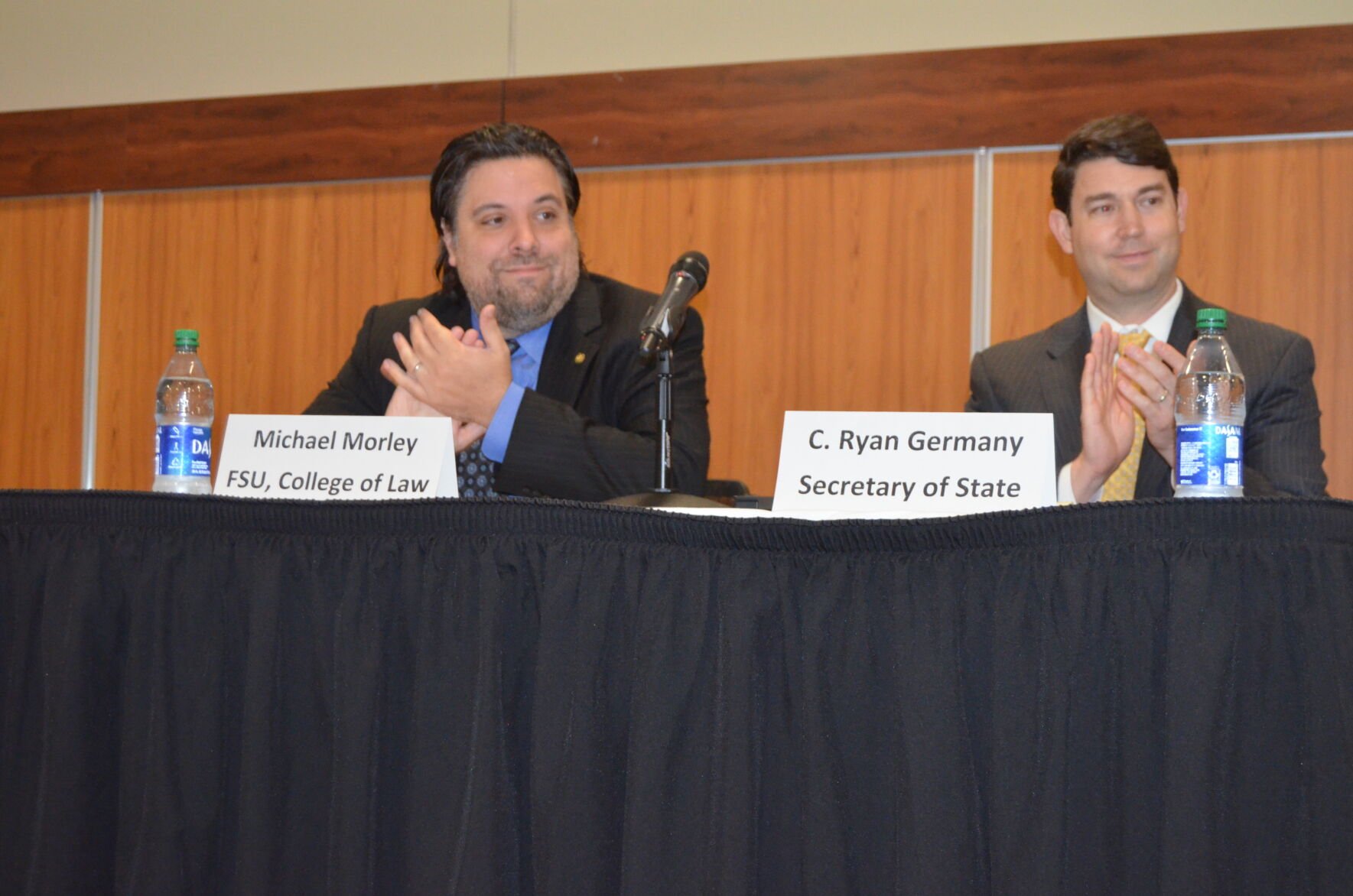
“The results of the 2020 election in Georgia have been verified multiple times,” panelist Michael Morley, a professor at the Florida State University School of Law who teaches and writes on the areas of election law, constitutional law, remedies and federal courts, said.
There was no significant fraud, and nothing that could have altered the results, said C. Ryan Germany, an attorney in Georgia Secretary of State Brad Raffernsperger’s office.
In many instances, infractions are found to be more a “mistake” than fraud, such as a wife signing her husband’s name on a voter form that accurately reflects the husband’s wishes, he said. Or, as occurred in another instance, an immigrant who thought his new residency card gave him the right to vote registered illegally with no intention of committing fraud.
“The chances of voter fraud are very slim,” Benny Hand, vice chairman of the Dougherty County Board of Elections, said. “The chances of people who have not registered to vote voting is very slim, the way the system is set up. The system is designed to catch any particular kind of fraud.”
On the question of changes in voter identification requirements, Hand said he thinks it can have an impact on minority participation. The prohibition on outside groups handing out water and snacks to voters in long lines is also another area where Hand disagreed with Germany.
“Bottom line is there are people who won’t go through the process if you make it (voting) more inconvenient,” he said.
Germany said that the best way to make voting more convenient is to work to ensure lines are short.
The state has extended early voting and added two mandatory Saturday voting days during the three-week period period. Counties also are allowed to add a Sunday voting day, which was approved in Dougherty County for one day during the early voting period.
Author

Related Articles
District 151 challengers Wolfe, Lockhart offer plans for schools, rural jobs, health care
Two challengers seeking to unseat state Rep. Mike Cheokas are proposing different approaches to Southwest Georgia’s needs, with Democrat Ethan Wolfe emphasizing changes to state funding and health policy and independent Travis Lockhart focusing on partnerships among local governments, schools and employers.
Albany considers battery storage system to address electricity surplus
“For me, this is all about ratepayers. Will this keep our rates low? That’s my biggest concern on a project like this.”

Lee County denies mother’s home day care plan despite staff support, corrections to objections
A day after Lee County commissioners voted down her plan to care for five young children in her home, Sharemer Jones returned to the county planning office with her infant daughter to ask how to appeal.
