
Republican candidate Cole cites opponent’s ethics issues, values in pitch for House seat
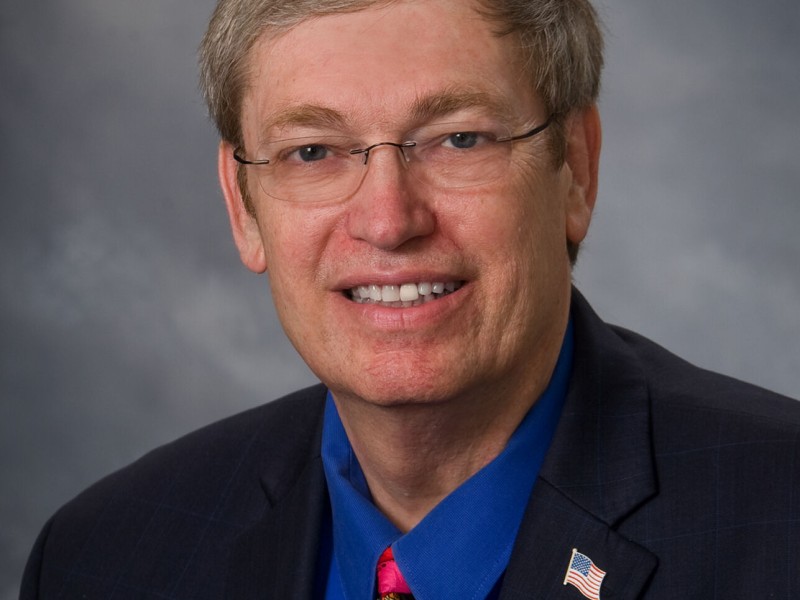
Special Photo
By Alan Mauldin
[email protected]
CORDELE — It would be accurate to say that Don Cole has made a heavy investment in the Second Congressional District.
In 2018, he gave up a district chairmanship of the Georgia Republican Party in order to help campaign for Mike Cowan, a Thomas County minister who came close to defeating incumbent U.S. Rep. Sanford Bishop, D-Albany.
For this election, he resigned a job with the U.S. Department of Agriculture to mount his own challenge to the sitting congressman.
“I resigned because I supported Mike Cowan and there were other Republican candidates” in the primary, Cole said of 2018. “Before I resigned (this year), I was speechwriter for Sonny Perdue, secretary of agriculture.”
While working for Perdue, the former Georgia governor, Cole said, he remained in the district and regularly traveled to Washington when necessary to meet with employees in the agency. That was intentional on his part to remain in contact with the people here, he said, something he also did while working with the Farm Service Agency in Cordele.
One of his chief criticisms of his opponent, who has held the office since 1993, is that he is out of touch with the residents.
“I just felt very strongly that the values of the Second District were not being respected, and Sanford Bishop has been up in Washington so long he wasn’t listening to people down here,” Cole said. “He voted to impeach the president.
“I remember when he said he was pro-life. His stand now is totally opposite.”
Cole, who is the minister at a small church, is a former Albany resident, and his sole foray into running for political office prior to 2020 was when he was a candidate for the Albany City Commission in a 2001 race won by current Commissioner Bob Langstaff.
He said he would better represent the values of the area, including on the issues of gun rights and abortion.
“There’s just a total disconnect,” he said. “After Hurricane Michael, it took eight months to get relief. There was no question this was a major disaster. For eight months, farmers were holding on, bankers were holding on for dear life. Just a lot of things like that.”
Georgia also missed an opportunity two years ago when the Department of Agriculture moved economic research offices out of the D.C. area, Cole said.
“We’ve got two land grant universities in the state of Georgia, the University of Georgia and Fort Valley State University,” he said. “Bishop fought the move. They eventually decided on Kansas City. My point was, instead of fighting this thing, he could have got a chunk of it or all of that” in Georgia.
“There’s no reason we couldn’t put in a bid for Fort Valley State. He kind of shot Georgia in the foot.”
If elected, Cole said he would spend much of his time in the district, listening to constituents, something he has done during the campaign.
He also would work, he said, with local chambers of commerce and economic development commissions to be a “cheerleader” for local communities seeking to attract industry. The congressional office could serve as a liaison to link developers with those cities and towns.
“I’ve hit every single county, all 29 counties” in the district, Cole said. “People know I have been there, and I have been talking to people everywhere I go. There are a large number of people who say he (Bishop) never comes down unless there’s some grant check he delivers.
“I think he’s abandoned us, and I think there’s a lot of people who feel that way.”
Cole said Bishop has baggage from an ethics report and continuing investigation of campaign spending.
The report said there was “substantial” evidence campaign money was used for personal spending that included gas, golf fees, meals and travel.
“Just the ethics thing that has come out, I think there’s some serious issues he’s facing,” Cole said. “(There were) 114 findings in two different areas — one misuse of campaign funds.
“The big one to me was the unlawful use of his taxpayer-funded allowance for constituent service. He held three big-bash Christmas parties up in Columbus.”
Author
Related Articles

Foreclosures jump 52.9% across the region as buyers regain negotiating power
In Dougherty County, the number of residential properties advertised for foreclosure has nearly doubled this year. In neighboring Lee County, developers are preparing to add hundreds of new houses and apartments, including homes aimed at buyers who have struggled to find newer housing at an attainable price.
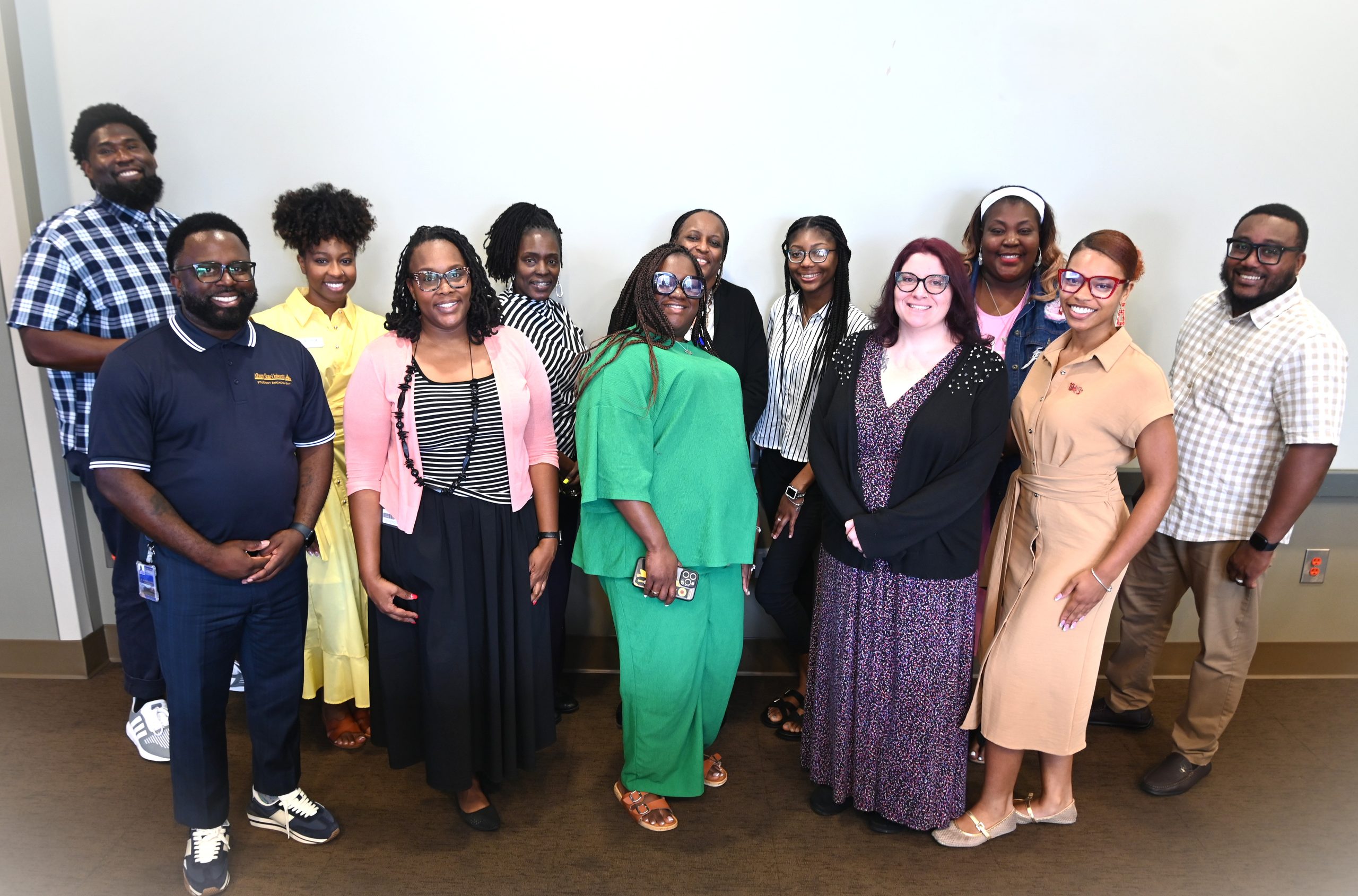
PHOTOS: Albany State New Employees Luncheon
Click the arrow to scroll through the photos.

Albany Commission will revisit downtown park project at October retreat
“Right now it’s a sea of asphalt there. It doesn’t encourage gathering. Parks and green spaces encourage gathering.”
