
Sales tax battle showcases friction between local governments
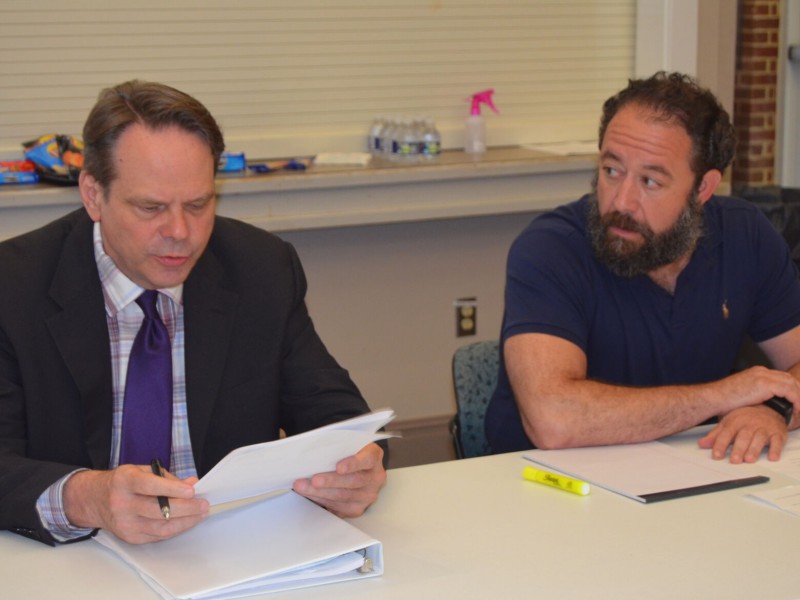
File Photo: Alan Mauldin
By Alan Mauldin
alan.mauldin
@albanyherald.com
ALBANY — It was like “landing the plane” in County Commission Chairman Chris Cohilas’ words. For Albany City Commissioner Jalen Johnson, the metaphor was “getting the ball over the goal line.” There was even a reference to the old saying that “politics is like making sausage.”
Those descriptions of the relief at reaching a deal on the division of more than $100 million in sales tax dollars described a process that was both frustrating and understandable. Both sides were looking to get the best deal for their team.
“That’s what negotiation is, give and take,” Albany Mayor Bo Dorough said. “If either is not negotiating, either the City Commission isn’t being represented or the County Commission isn’t being represented.”
The two sides finally agreed on the same basic 36% for the county and 64% for the city as in previous special-purpose local-option sales tax referendums.
The 1% sales tax funds capital projects, including the county jail and courts, and purchasing police cars, ambulances and firetrucks. With the intergovernmental agreement reached last week, voters will be asked to extend the SPLOST for another six years in a referendum on the November general election ballot.
Facing a $105 million estimated cost to fix its aging sewage system, the city had requested a 70-30 split in its favor to reap more money for the project. The City Commission approved dedicating the first of two $10 million annual installments of federal COVID relief funds toward the sewer system, a decision that led to protests during a 2021 commission meeting.
After a few weeks of back and forth, the agreement kept the original formula, but the county agreed to a $3.5 million additional allocation to the city for the costly stormwater/sewage separation project.
The city’s argument was that with 82% of the county’s population living in Albany and the sewer system serving them and some 200 households outside the city limits, it deserved a larger consideration.
“I really wish the county could have made a more generous contribution to the CSS (combined sewage overflows system, but I’m glad they gave us the $3.5 million when they didn’t have to do that,” the mayor said. “I was disappointed that the SPLOST kept everything the same.”
While voters who watched the negotiations play out in the meetings or watched at home saw the two sides leveling criticism at each other, Dorough said he doesn’t think the process will cause voters to look unfavorably on voting “yes” on the sales tax.
“Absolutely not,” he said. “I mean … citizens are dismayed and some even upset when they see local governments bickering, but the very nature of having two local governments in the same geographical area is going to lead to some (disagreement) on what the portion of the sales tax should be.”
During the negotiations, one of the city’s counterproposals included putting a non-binding question on the ballot asking voters’ opinion on consolidation of the two governments, a stipulation that four county commissioners rejected.
Ultimately, combining into one government will solve the kind of intergovernmental battles that preceded approval of the agreement, Cohilas said.
While the SPLOST negotiations are over, in a few weeks the two sides will do it all over again for a separate referendum, the 1% local-option sales tax (LOST) that can be used to fund government operations.
“That’s going to happen,” Cohilas said of the back-and-forth. “The city was fighting hard for its government. The county was fighting hard for its government. The problem is, they’re fighting for the same people. The city performs certain services, and the county performs certain services.
“The county provides services that are not sexy, that do not provide revenue and are really hard. It’s frustrating from my perspective when you say you’re going to take infrastructure dollars from the county that has little options for raising money for infrastructure.”
The chairman said he was thankful the two sides reached an agreement. During one of the county sessions on the sales tax he told fellow commissioners that consolidation is the only way to move the county forward.
“I think people ought to really understand and invest themselves in whether consolidation is something that needs to be done,” Cohilas said. “It would save a lot of time and resources.”
Author

Related Articles
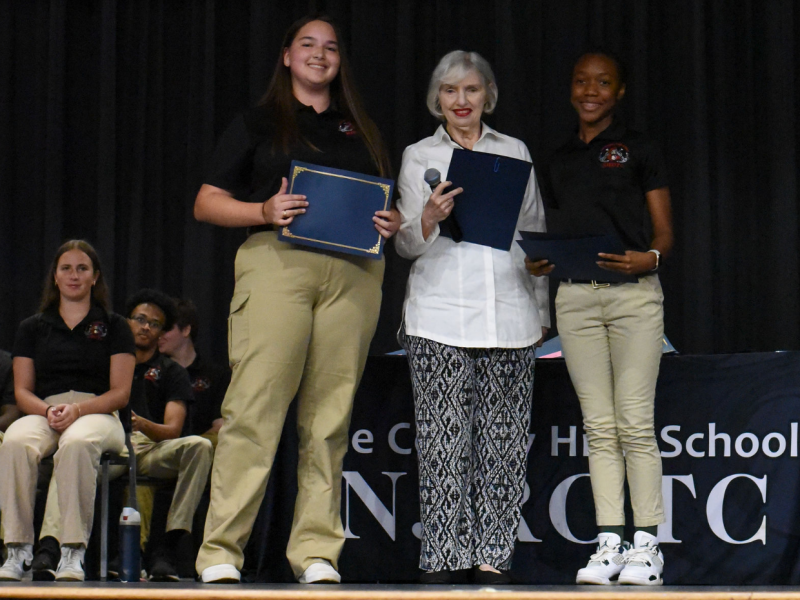
Lee County JROTC cadets honored by DAR for citizenship and leadership
Several Terrell County High School JROTC cadets were recognized for outstanding citizenship, leadership and service during the school’s recent JROTC Honors Night, receiving awards from the Old Herod Chapter of the National Society Daughters of the American Revolution.
Dawson police arrest wanted suspect after Flock Safety camera alert
According to police, May drove into the yard of a nearby residence instead of complying with officers’ commands. He then exited the vehicle and ran into the home on foot.
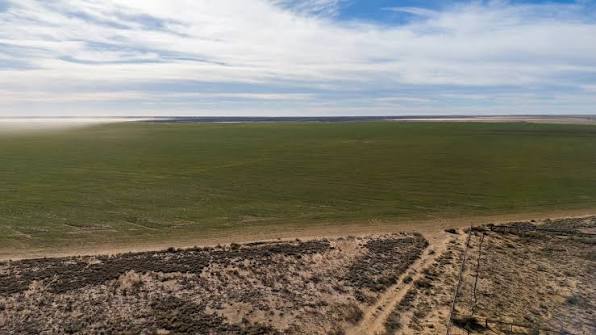
USDA expands drought assistance as Terrell County farmers continue recovery from dry conditions
As Southwest Georgia farmers continue to recover from prolonged drought conditions that affected planting and crop production this year, the U.S. Department of Agriculture is reminding producers that a range of federal disaster assistance programs remain available while also expanding relief payments through its Supplemental Disaster Relief Program.
