
Speed cameras have generated more than $14 million in Albany; now they’re up for debate in the Georgia legislature
Since 2021, the cameras collected more than $14.5 million in fines, according to a report from RedSpeed Georgia.

ALBANY – Albany school zone speed cameras continue to watch out for speeding drivers as the Georgia legislature debates whether to better regulate or outright ban them.
Camera critics say the cameras are a money grab and signal an overdependence on fines and fees to fund city projects. Supporters say the speed cameras have led to better driving habits and safer school zones for pedestrians. State Rep. Dale Washburn, R-Macon, is sponsoring House Bill 225, which aims to reverse 2018 legislation allowing cameras to be placed in school zones.
Rep, Alan Powell, R-Hartwell, introduced House Bill 651, which proposes limiting the hours the cameras can be used and mandating that half of the fines collected go toward school safety improvements.
Both bills made it through the Georgia House and await decisions in the Senate.
Albany first installed RedSpeed cameras in August 2021. In nine enforced school zones, drivers receive a citation for going 11 mph over the school zone speed limit. The first citation costs $80. Subsequent citations are $135. The citations are considered a civil infraction with no points added to drivers licenses and no insurance increases.
Since 2021, the cameras have led to more than $14.5 million in fines, according to a report from RedSpeed Georgia. The Albany Herald is awaiting information from an Open Records request that details how much of that money was received by the city and how much went to RedSpeed.
Albany Police Chief Michael Persley said some of this money has been used to fund public safety initiatives such as improving safety within school zones, upgrading school zone signage, police training in conjunction with the Albany Fire Department, and youth programs with the Dougherty County Sheriff’s Office and the city’s Recreation and Parks Department. It also funded new equipment, like cars for community safety officers.
Persley said he’s not in agreement with banning the cameras outright.
“I think that’s taking a step a little too far,” he said. “We need to look at the whole situation. What are you trying to ban?”
A 2024 report showed that there’s been a 95% reduction in speed violators since 2021. Traffic studies, before installing the cameras, found hundreds of drivers each day exceeding the posted speed limit in school zones by more than 10 mph. Reducing a motorist’s speed by only 5 mph doubles a child’s chance of survival if struck by a vehicle, safety officials say.
The report also said the cameras led to overall improved driver behavior – with 88% of offenders receiving less than two citations in 2024.
“The whole purpose of the program was to curb driving behavior, which it did,” Persley said.
On the flip side, if cameras were banned, Persley said the department would have to put officers in school zones, but getting pulled over for speeding in a school zone means a criminal offense rather than a civil one.
The police chief said losing the revenue from the speed cameras also would slow down some program implementation. He said without that revenue, the police department’s gunshot detection program and license plate readers wouldn’t have been rolled out as quickly. This equipment has resulted in the police department more effectively responding to gun violence situations and finding stolen cars.
Staff from the Georgia Budget and Policy Institute (GBPI), a nonprofit that advances lasting solutions to expand economic opportunity for Georgians, criticized the speed cameras and said they want lawmakers to look into more ways to increase safety in school zones beyond addressing the cameras
Ray Khalfani, a GBPI senior analyst, spoke at a community town hall in Albany on March 4 about multiple pieces of legislation that could “remove some of the practices in our state that create excessive fines and fees” that create an excessive reliance on these things for cities to fund themselves.
Khalfani said practices like citations from school zone cameras hurt residents.
“It doesn’t help the economic vitality in their city because … that makes it difficult for people to keep jobs, get jobs, pay their bills and take care of their families,” he said.
However, Khalfani said HB225 and HB651 are not the answer.
“You got all these bills to talk about addressing this school zone speeding issue, but who’s going to talk about fixing road design … and fixing the child safety and pedestrian safety issue in school zones without robbing communities?” he said.
Complaints in Albany have risen about improper signage or lighting to indicate school zones or citations occurring after hours.
“I’m still waiting for someone to bring in a school zone violation that they got on the weekends, that they got at night time,” Persley said. “There are too many checks and balances in the systems for that to happen.”
He said the one school zone location that doesn’t have flashing lights is on North Slappey Boulevard. He said the city finally got approval from GDOT to put lights up, and the city is waiting for them to come in.
“I’m not in favor of the ban, but whatever the legislature passes, we will enforce,” Persley said. “Just slow down. Be mindful of where you’re at … of your driving habits.”
Author

Related Articles
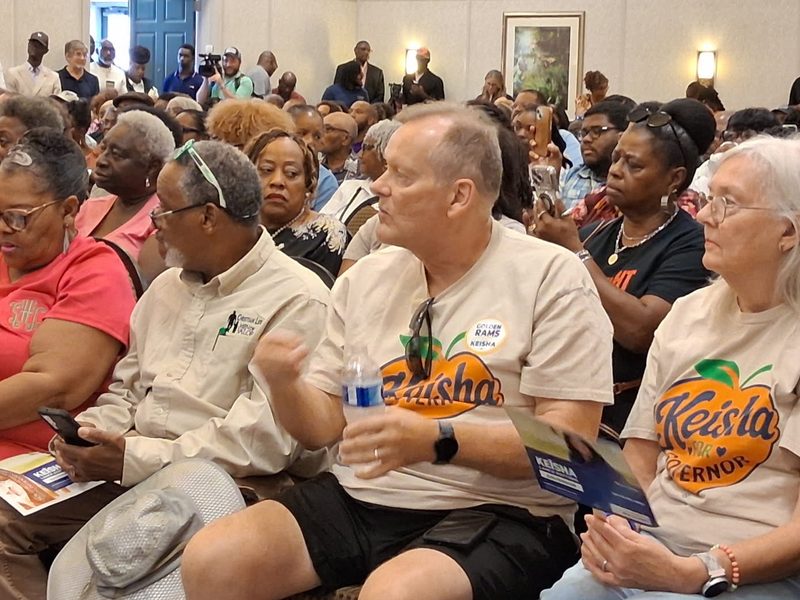
Keisha Lance Bottoms visits Albany during first week of early voting
Democratic gubernatorial candidate Keisha Lance Bottoms made a campaign stop in Albany on Friday. Early voting for the Nov. 3 election runs through Oct. 30.
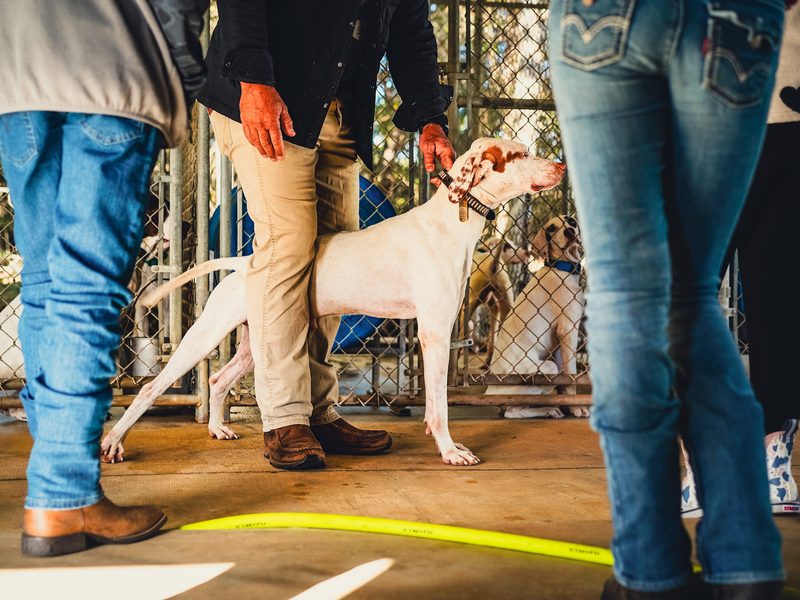
A new generation takes the field in southwest Georgia
At Daniels Kennels on Saturday, the lessons moved from checking dogs’ feet to tying knots, giving horses room and handling a loss. Professional trainers were teaching young people how to compete in field trials — and the daily responsibilities that come with a sport built around animals.

‘Flywheel’ comes home as Kendrick brothers bring Brazilian remake to Albany
Twenty-three years after a $20,000 movie made with church volunteers launched their filmmaking careers, Alex and Stephen Kendrick returned Thursday to the Albany theater where “Flywheel” first reached an audience — this time with a Brazilian cast telling the story.
