
The buzzing of bees is music to the ears for Albany-based beekeepers group
By Alan Mauldin
[email protected]
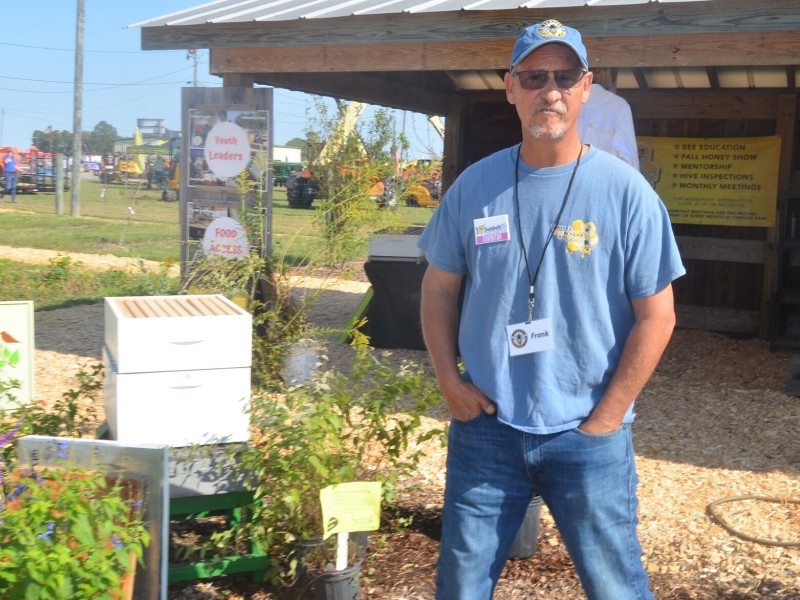
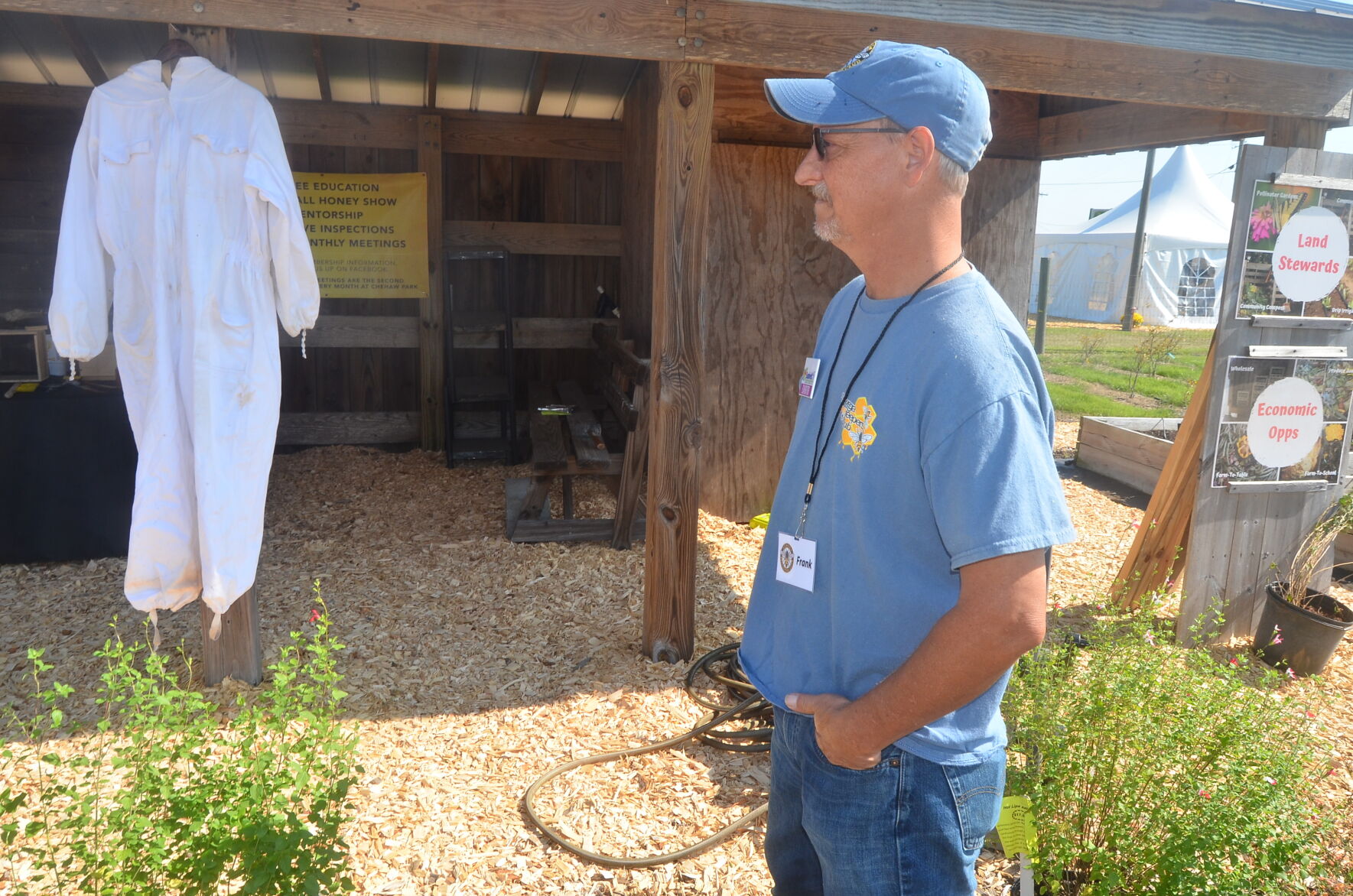
MOULTRIE – For his golden years, Frank Killebrew has a plan of bee hives filled with the golden product made by his bees in Mitchell County.
Killebrew, the Region 7 director for the Georgia Department of Health’s Office of EMS & Trauma, is a relative latecomer to the hobby that he is turning into a small business.
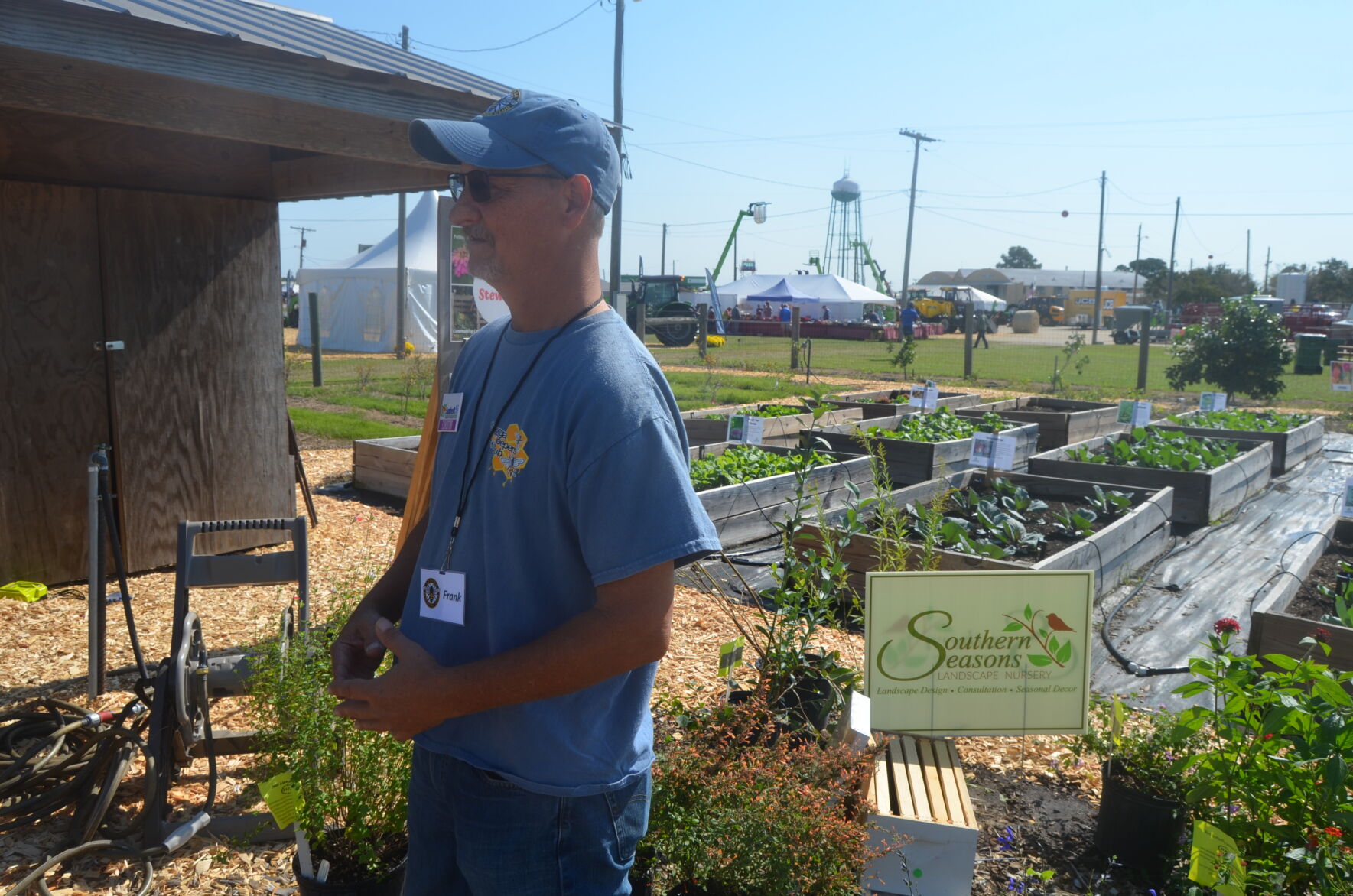
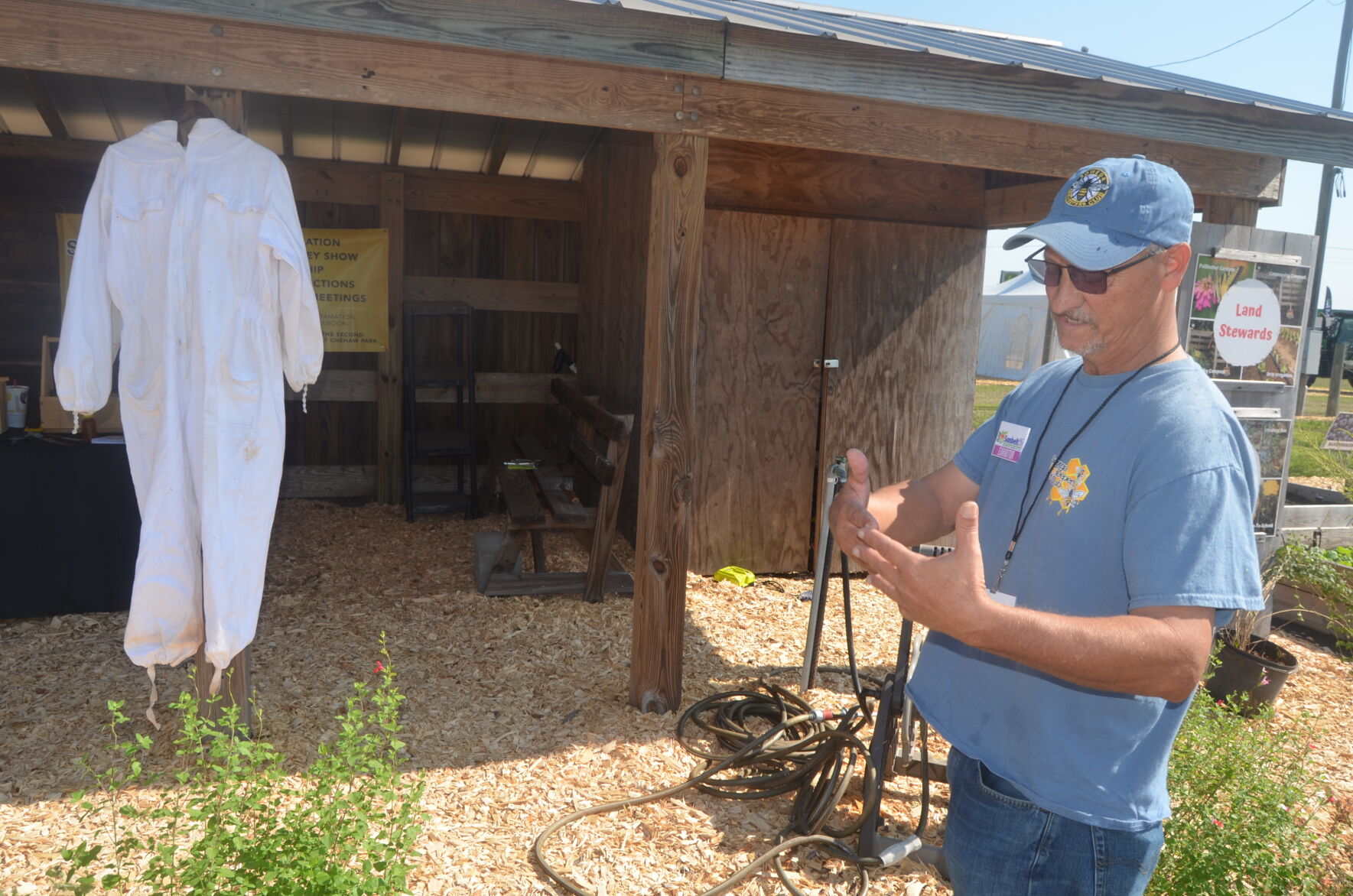
During the 2024 Sunbelt Ag Expo, Killebrew was among the representatives of the SOWEGA Beekeepers Club who set up shop in the gardening section of the massive farm show.
He became curious about bees a few years ago when he was hunting on his brother-in-law’s farm near Colquitt. When he noticed a few bee hives that had been brought in to pollinate cotton fields, his interest was piqued.
“When I came out of the woods I realized it was bees,” Killebrew said. “I started talking to my brother-in-law about it and got really interested. I’d been interested for 15 or 20 years and never got around to it.”
Around the country, there are between 115,000 and 125,000 beekeepers, according to the National Honey Board. Of those, the majority are hobbyists who tend 25 or less hives. Commercial beekeepers are defined as those who have 300 or more hives.
Keeping bees can entail anything from individuals who have a couple of hives in the backyard to the large commercial operations, some of which load up semi trucks for 3,000-mile trips across the country to pollinate the California almond crop.
Almonds are solely honey bee-pollinated, Killebrew said, and require large numbers of bees to manage the task that the native bee population in California isn’t adequate to handle.
Currently, Killebrew’s operation is 14 hives at a farm in Mitchell County. He is on the road a lot, performing his duties inspecting ambulance services, and spends much of his time at the farm in Mitchell County when not at his residence in Taylor County.
According to the USDA, bees of all sorts pollinate approximately 75% of the fruits, nuts and vegetables grown in the United States, and one out of every four bites of food people take is courtesy of bee pollination.
Pollinators also include native species, flies, moths, butterflies, bats and hummingbirds.
Some of the native bee species are endangered, Killebrew said, and honey bees play a role in pollinating a wide range of crops.
It is not uncommon while driving through southwest Georgia to see a few hives placed near fields during the growing season as farmers take advantage of the efficient honey bee to pollinate their plants.
“Native species are really the ones that are endangered, mostly due to insecticides,” Killebrew said. “That’s one of the things we have to be careful with when we were putting our hives out.
“The biggest thing is pollination of plants. In southwest Georgia we have tons of plants that need to be pollinated.”
Watermelons and blueberries are among the crops that are very dependent on bees for pollination, Killebrew said.
In Georgia, bees accounted for $78 million in farm revenue in 2022, according to the University of Georgia Farm Gate Value report. Locally, some of the counties that are big on bees are Worth County, which ranked fifth with $4.34 million in revenue, and Colquitt County, ranked seventh with $2.49 million in revenue.
For Killebrew, his post-retirement plans include growing his Sleepy Willow Farms operation.
“I just started to put some products out,” he said. “I’m doing honey. I’m also doing some soaps and candles. Right now I’m at about 14 hives. I’m hoping to be in the 40- to 50-hive range.
During the Expo the local beekeepers were on hand to educate attendees on bees and the club. That included a demonstration on how area residents can help bees with plants that attract and nourish bees.
Bee car tags purchased by motorists help fund bee clubs and beekeepers and also help fund research projects, Killebrew said.
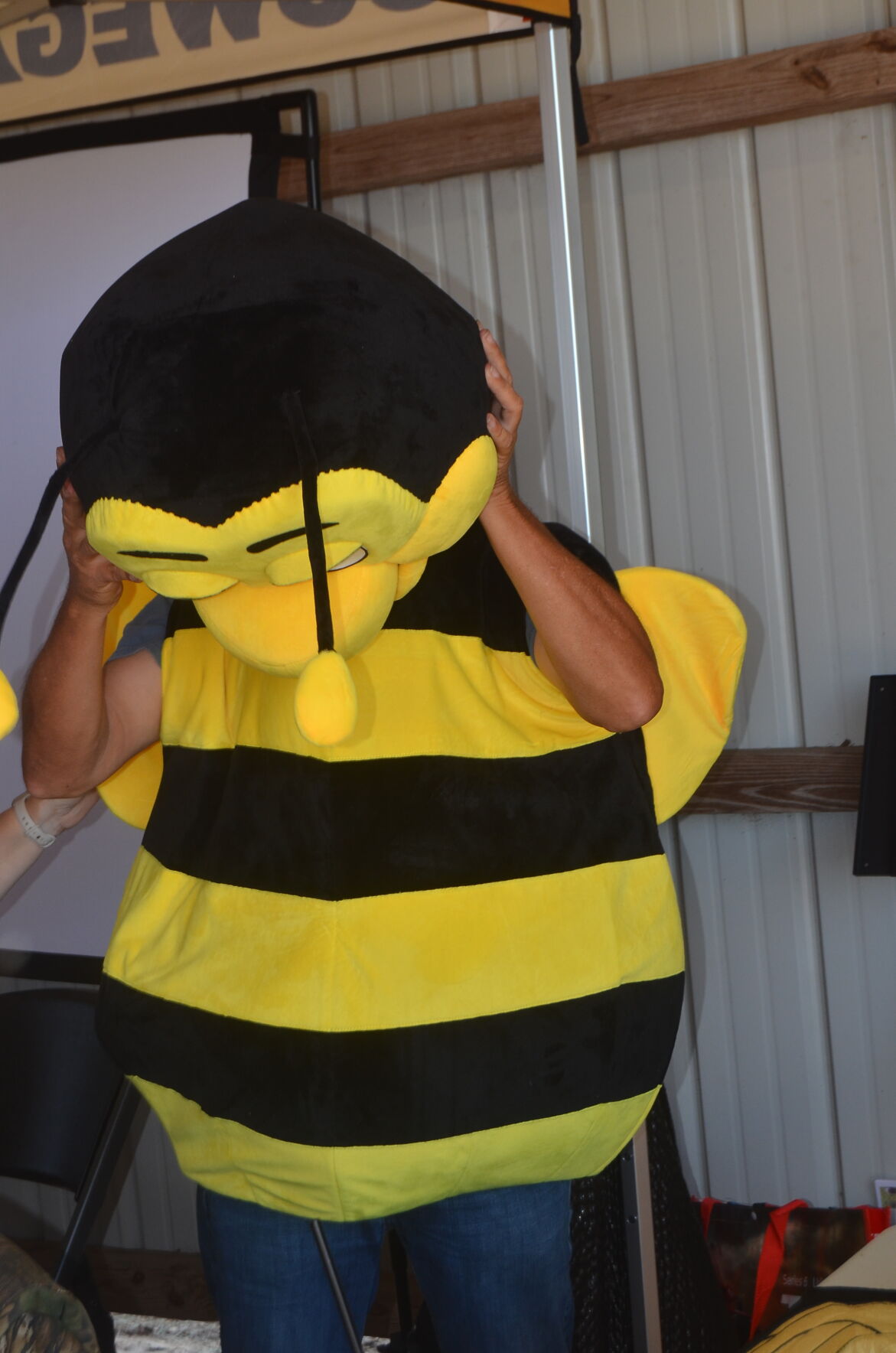
The SOWEGA Beekeepers Club meets monthly at Chehaw Park & Zoo and holds various events throughout the year. Its members will take part in a Halloween event at Chehaw later this month during the Boo at the Zoo event.
Author

Related Articles

PHOTOS: 2026 Albany State Homecoming Gala
Four galleries, click the arrow to scroll through the photos.

PHOTOS: Albany State Homecoming Alumni Association Business Meeting
Click the arrow to scroll through the photos.

PHOTOS: Albany State Homecoming – The Ultimate Cook-off – The Men of ASU
Click the arrow to scroll through the photos.
