
CHAUNTE’L POWELL: College sports is a risky business
SPORTS COLUMN: College athletes are forced to roll the dice every day when it comes to their futures
By Chauntel Powell
So far, I’d have to say this year’s March Madness has lived up to the hype on both the men and women’s sides.
While enjoying the talents of some of America’s top unpaid labor, I couldn’t help but notice an article in The Atlantic that was recently published discussing the rise in enrollment at Cinderella schools, specifically Florida Gulf Coast.
In 2013, Florida Gulf Coast made an unexpected run to the Sweet Sixteen and introduced the nation to the Fort Myers-based school that came to be shortly after I did in 1991. Since that run, the main campus has seen a 27.5 percent increase in applications.
The article cites how this trend can be labeled the “Flutie Effect” in honor of the surge in apps seen by Boston College after then-quarterback Doug Flutie took down the Miami Hurricanes during the regular season.
The advertising component that comes with being a student-athlete has been evident as major television deals continue to get inked, but seeing the true impact the players can have on a particular school makes the stipulations placed on athletes to stifle their earning potential that much more inane.
This week, the Big East Conference suggested replacing the one-and-done rule with a two-or-none. Players would either declare for the draft right after high school and forfeit all college eligibility, or commit to a college and be required to stay for two years before becoming draft eligible. So either sacrifice a year to develop or sacrifice a year of earning potential.
The two-rule wouldn’t be as bad if not for the risk of injuries and overall lack of backing from the NCAA when it comes to health insurance for student-athletes. For this reason alone, football players sitting out meaningless bowl games makes complete sense, whether spectators want to admit it or not.
Many remember Louisville’s Kevin Ware going down with a horrific leg injury during the Elite Eight game against Duke in the 2013 tournament. Ware has since recovered and plays in the Greek Basket League, but stated in a video released by TMZ last May that he believes he would be in the NBA if he had not broken his leg in that game.
There seems to be a generational divide when it comes to the pay the players argument, and I will admit it took me actually going to college and having to call home for grocery money to understand that a scholarship simply isn’t enough.
We ask athletes to not only be ambassadors for the school in addition to work horses for millionaire coaches while the threat of having their career derailed by injury or all of their accomplishments negated for taking a cheeseburger or signing a t-shirt looms over their heads. If we ask athletes to give their all, why not allow them the freedom to make all that they can in return?
Contact Chaunte’l Powell at [email protected]. Follow her on Twitter @chauntelpowell.
Related Articles

CARLTON FLETCHER: Lousy customer service leaves a fowl taste
Before I get into this, let me say from the get-go that I understand that we all have bad days, that the aggravations of life can put a damper on everything that gets in our way on a given day.

Squawkbox – June 27, 2026
Albany’s “leadership” is involved in criminal activity and will be… Franklin Graham and the other pastors of “super churches”…
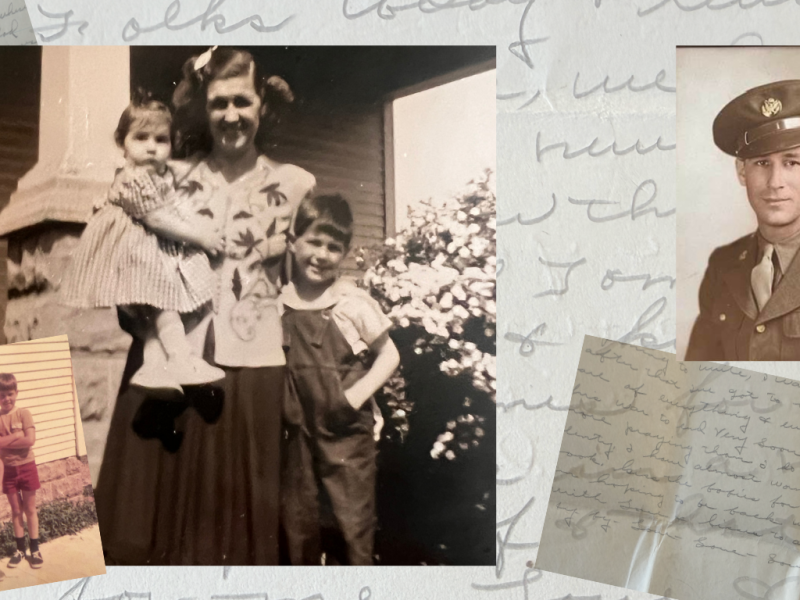
My Grandpa Was Killed in World War II. I Met Him Through His Letters Home
Gina Wolf’s grandfather died before she was born. His letters sent to her grandmother from Europe during World War II made it possible to know what kind of man he was.
