
Cool weather brings increased danger of auto-deer collisions
As days get shorter and deer get active, accidents increase
From Staff Reports
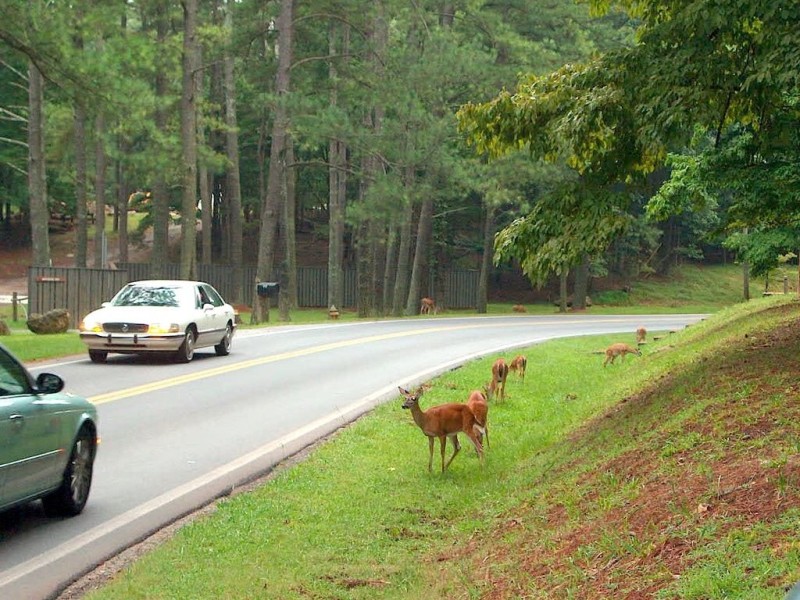
SOCIAL CIRCLE — Cooler weather also means the peak period for deer activity is here, prompting the Georgia Department of Natural Resources to remind motorists to stay alert on the roadways.
“Motorists should be alert and pay close attention to the roadsides as we are nearing the annual peak time of the year for deer-car collisions,” said Charlie Killmaster, state deer biologist with DNR’s Wildlife Resources Division. “Keep in mind that deer often travel in groups, so if a deer crosses the road ahead of you there is a good chance that another will follow.
“In many cases, that second deer is the one hit as the driver assumes the danger has passed and fails to slow down.”
Wildlife officials say there are two main reasons more deer are seen along roads in the fall:
— It’s mating season. Deer mating season occurs October to late December, depending on location. Male deer go into “rut” and begin actively searching for mates. This behavior results in an increase in deer movement, which also brings the animals across roadways.
— Time changes back to standard time. The “fall back” from Daylight Saving Time on Nov. 5 combines with the increasingly shorter amount of daylight hours to create a double threat to motorists. Rush hour for many commuters in autumn and winter tends to fall during the same hours that white-tailed deer are most active – dawn and dusk.
For example, today’s sunrise is 7:50 a.m. in Albany, with sunset at 6:51 p.m., created 11 hours and 1 minute of daylight. When standard times returns Nov. 5, sunrise will be at 6:56 a.m. with sunset at 5:45 p.m., with the daylight period shorter by 12 minutes. By the time the winter solstice arrives Dec. 21, the daylight hours will have shrunken to 10 hours and about 5 minutes, with sunrises after 7:30 a.m. and sunsets coming as early as 5:33 p.m. that month.
Wildlife officials have some tips to help avoid potential collisions:
— Remember that deer are unpredictable. They are wild animals that may move at a moment’s notice. A deer calmly standing on the side of a road may suddenly bolt into or across the road, rather than away from it, when startled by a vehicle.
— Deer usually are not alone. Always take caution and slow down when a deer crosses the road in front of you. Deer usually travel in groups, so it is likely that others will follow.
— Be aware of the time of day. Deer are most active at dawn and dusk. They’re typically seen along roads during the early morning and late evening, the same times many people are commuting to and from work.
— Fall is a high-incident time. Deer-car collisions can occur at any time of year, but the fall breeding season is a peak time for such accidents. During the fall breeding season, deer movement increases, often bringing them to roadways that cross their natural habitats.
Road shoulders generally provide beneficial food plants both during extremely dry times of the year and following a long, hard winter. Deer are attracted to these plants in late-winter, early spring and late summer. Georgia’s new deer rut map (http://georgiawildlife.com/rut-map) is an excellent tool for motorists to determine local peaks in deer movement. Drivers should be especially wary of deer during these time periods.
— Minimize damage. If it is too late to avoid a collision, a driver should slow down as much as possible to minimize damage and resist the urge to swerve to avoid the deer. That action may cause further damage, sending vehicle off the road or causing a collision with another vehicle.
For more information on the Georgia Wildlife Resources Division, visit www.georgiawildlife.com.
Related Articles
Westover girls earn split at Monroe playdate
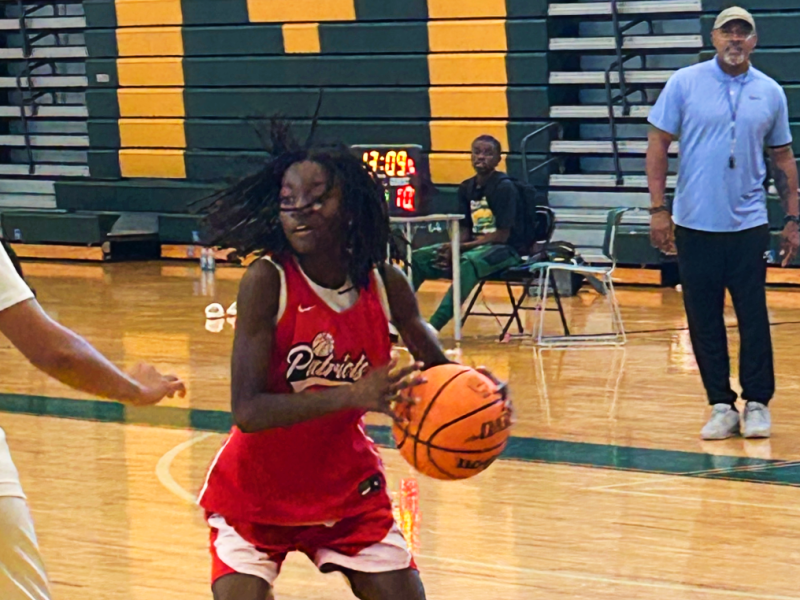
The Westover Lady Patriots flexed their offensive firepower in one game and battled to the final possession in another Tuesday afternoon, splitting a pair of summer basketball contests at Monroe High School’s final home playdate of the summer.
NCAA set to eliminate redshirt seasons
The NCAA’s Division I cabinet, in a vote held Tuesday, unanimously approved changing its eligibility rules to a new model that gives all Div. I will give athletes five years of eligibility and eliminate all redshirts.

Tony’s Take: Michigan to Dallas | Path | P.S. | What? | Milestone | Edition 100
The latest from Tony Duckworth
