
Judge’s order prohibits SEC from blocking pro athletes’ return
A group of 41 athletes can’t be blocked by the NCAA, the Southeastern Conference or SEC commissioner Greg Sankey from going back to college for one more season thanks to a restraining order signed Thursday by District Court Judge Martin Hoffman in Dallas.
Field Level Media
A group of 41 athletes can’t be blocked by the NCAA, the Southeastern Conference or SEC commissioner Greg Sankey from going back to college for one more season thanks to a restraining order signed Thursday by District Court Judge Martin Hoffman in Dallas.
The plaintiffs include three active NFL players: wide receiver Omari Evans and linebacker Wesley Bissainthe, both of the Kansas City Chiefs, and Dallas Cowboys wide receiver Jordan Hudson.
Bailey Maupin, who signed a training camp contract with the WNBA’s Golden State Valkyries in April, and Christeen Iwuala, who signed a rookie scale contract with the Washington Mystics in April, are also plaintiffs in the Dallas case. Neither has played in a regular-season WNBA game.
The decision followed the NCAA implementing a new rule for the upcoming school year that will allow incoming college athletes to compete for five seasons in a five-year window. The athletes whose eligibility expired in the last school year were excluded.
Hoffman wrote in his decision, “As long as they would have been eligible to continue playing college sports in the following semester if they had a fifth year of eligibility, they are eligible today.”
Another hearing on the order, which will be in place for 14 days, is scheduled for Sept. 11, The Athletic reported.
The SEC was joined in recent days by the Big Ten, Big 12 and Atlantic Coast Conference in announcing rules prohibiting athletes from returning to college. The SEC’s new ban affects players who declared for a pro draft and didn’t withdraw, signed a pro contract or appeared on a pro team’s roster.
The SEC also reportedly voted 15-0 on Wednesday — with LSU abstaining — to allow the league to sanction schools and coaches that add former pro athletes to their rosters.
According to multiple media reports, the SEC’s penalties will include suspending coaches for half a season, a fine equal to 50% of the university’s annual budget for the sport in question, and revoking league voting rights.
Sankey reportedly was granted authority to levy additional sanctions as needed.
Lawyer Ryan Downton, who represents plaintiffs in the Dallas case, told ESPN, “The (leagues) can’t come out and create a rule with immediate effect that has such draconian punishment that no school will take any of these players.”
Downton added to ESPN, “The SEC is singling out football. If you’re a women’s soccer player. No problem. Lacrosse player? No problem. It’s only football and men’s basketball. Why is that? And why is that appropriate? Why is it appropriate for the SEC to discriminate against one group of student-athletes and not another?”
Related Articles

Tickets available: Nationally ranked Carol City vs. Lee County
Tickets are still available for the big game in Leesburg.
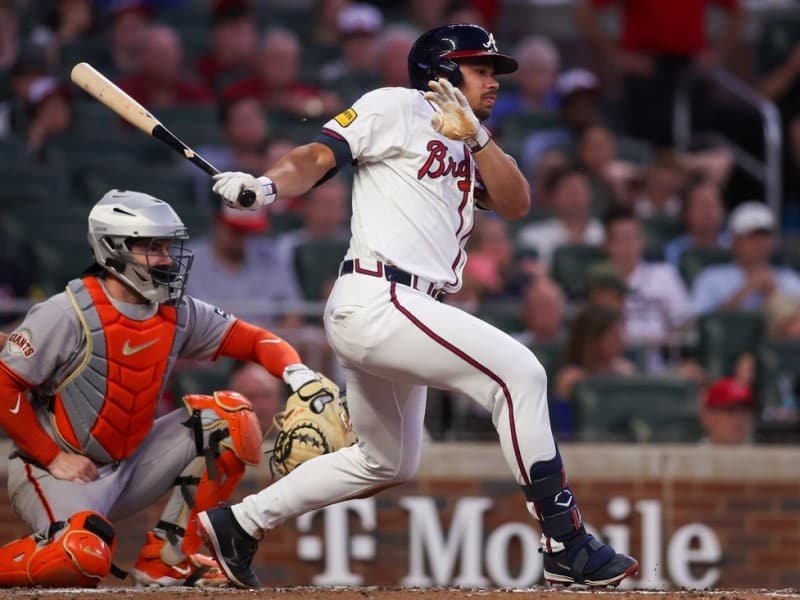
Baldwin’s leadoff homer is one-of-a-kind
A catcher hitting in the leadoff position in the lineup is rare. What’s even rarer?

Good Good loses Callaway deal, steps back from PGA event over offensive video
Callaway Golf Company severed ties with Good Good Golf after backlash over a video meant to promote a driver co-branded by the two companies, Sports Business Journal reported Thursday.
