
Albany, Dougherty County at impasse over distribution of $100 million in sales tax revenue
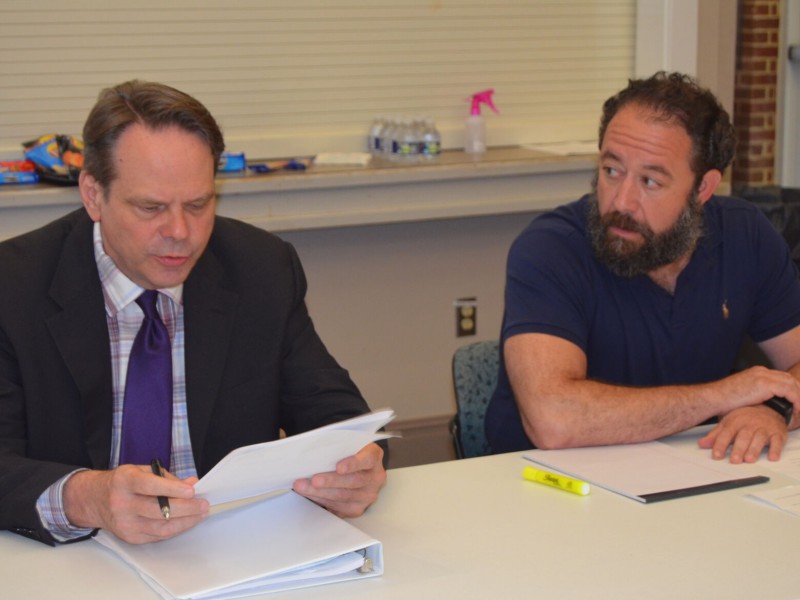
File Photo: Alan Mauldin
By Alan Mauldin
[email protected]
ALBANY — Is they is, or is they ain’t? When it comes to the dispute between Albany and Dougherty County on the question of sales tax dollars, the two sides seem to have come to an impasse, although both say they’re looking to compromise.
Both the city and county claim they are negotiating in good faith, but they have yet to reach an agreement after three weeks of back-and-forth.
The dispute centers around the city’s request to receive a larger share of the anticipated $100 million in revenue from the next special-purpose local-option sales tax than the previous split that gave Albany 64% of proceeds and 36% to the county. The city has requested a 70-30 split in its favor.
The clock is ticking, as the two sides have only days in which to send a referendum question to the state for inclusion on the November general election ballot.
The city’s argument boils down to this: It needs additional money to fund mandated stormwater/sewer separation; 82 percent of Dougherty County’s residents live within the city limits so it deserves a larger share, and that it provides vastly more services than does the county.
The county’s counter is that its spending for the anticipated $36 million it would receive under the current division includes $10 million inside the city limits of Albany and that it needs the money to fund capital projects to maintain the jail, courthouse and cover public safety equipment outlays, including ambulances and police department needs.
Last week, the city requested that the two sides engage in a non-binding arbitration process, which county officials said was a waste of time since it would not produce a binding agreement. The city also has asked that the arbitrator hear both sides on the separate local-option sales tax (LOST), which can be used for day-to-day operating expenses, as opposed to the SPLOST that can be used only for capital outlays like buildings and equipment.
“That’s what the law says,” Albany Mayor Bo Dorough said of the arbitration process. “It’s a legal procedure. Why would anybody say it’s a waste of time? Why would the county have a problem with someone who is qualified coming in and making a decision?”
The sewage system not only benefits city residents but also serves 900 households with a population of 2,000 outside the city, the mayor said. And, he added, 95 percent of sales taxes generated are assessed in businesses within the city.
The city is under a federal mandate to complete 85 percent separation of stormwater and sewage by June 2025 or face stiff daily fines. During heavy rains, the combined system overflows into the Flint River, and the project had an estimated cost of $105 million in 2019, a cost that may grow substantially due to inflation.
During an interview last week, Dougherty County Commission Chairman Chris Cohilas said the city’s request would amount to paying for a problem the city has known about for 40 years on the backs of taxpayers in unincorporated areas as well as impact all county residents by virtue of siphoning off money that is necessary for constitutionally required county functions, including the jail and courts.
“You can say what you want about mistakes made in the past, but that’s not going to change the situation we face,” Dorough said. “There never has been an expenditure of this scale on the local level.”
The city has received federal and state grants and will continue to pursue grant opportunities, has earmarked $10.2 million in federal COVID-relief funds to the project and realizes that it will have to issue bonds to cover some of the costs, he said. But Dorough insists the additional sales tax dollars are needed.
“If we don’t get a significant amount of money from the SPLOST, that money is going to have to be recouped, which will mean raising (utility) rates,” Dorough said.
The mayor said the county has repeatedly refused to consider a change in the formula on division of proceeds.
“The county has repeatedly said the numbers are non-negotiable,” he said. “I don’t see how you can say you’re negotiating if you say you are going to stay with the same numbers and there’s going to be no negotiation.”
While the county has pointed to the city’s decades of inaction on fixing its aging sewer system, city officials have pointed to the county’s decision to raise employee salaries they say increased the county’s budgetary responsibilities and need for sales tax money.
During a recent negotiating session, the county abruptly ended talks without offering to compromise, City Commissioner Demetrius Young said.
“He (Cohilas) said ‘I know where my board is, I don’t see any more reason to negotiate,’” Young said. “He’s putting them in a precarious position, and he’s a lame duck” as he is leaving office in January.
“We’re saying let’s look at the governmental agreements and see if there’s going to be some way to get to a cooperative agreement. I think we could have gotten more done by talking, hashing things out. They’re always moving the goalposts.”
County Commissioner Clinton Johnson had a different recollection: the two sides, which included Cohilas, himself, along with Dorough and Young, held discussions until it became obvious the city was not going to budge from its request.
“We were supposed to do a lot of discussion,” Johnson said. “We both gave our sides. (Eventually) we said we hope cooler heads will come together. I told him (Young) earlier, you and I are not going to argue about this. We work for the same people. You’re making money off the sewer. The sewer system is making money for the city of Albany.”
While the county has a smaller population, it also provides services that benefit city residents, including Emergency and Medical Services, Johnson said. The city’s larger population of 82 percent is the majority of those who have cases in the county’s courts.
The county, which contracts with the city for fire protection, also purchases firetrucks that are used both in unincorporated areas and in the city when needed, he said.
“When I asked the chief of the fire department does the city buy ambulances for the county, he said ‘No,’” Johnson said. “On the EMS side, it’s county taxes. We provide all the equipment, all the ambulances.
“We have an unincorporated (community), Putney. The city doesn’t pay anything for Putney, but we pay for that in the county budget.”
While the city is saying it is willing to negotiate on the LOST, it has a $300 million surplus in its budget due to the utility system’s revenues, Johnson said.
“It’s a childish game,” he said. “They’re playing it, we’re not. We’re negotiating.”
For his part, Dorough said the county is going to raise taxes for everyone in the county — a millage rate increase is on the County Commission’s agenda for a Monday meeting, as is discussion of the sales tax issue — for all residents within the county while also asking for a disproportionate share of sales tax dollars.
During an interview last week, Cohilas said it would be great to have a large money-maker like a utility system to make large transfers to the operating budget, a luxury the county doesn’t have.
Author

Related Articles

Albany police make arrests in murder, robbery cases
Officials with the Albany Police Department have announced a number of arrests in cases that involved a homicide and a pair of thefts.
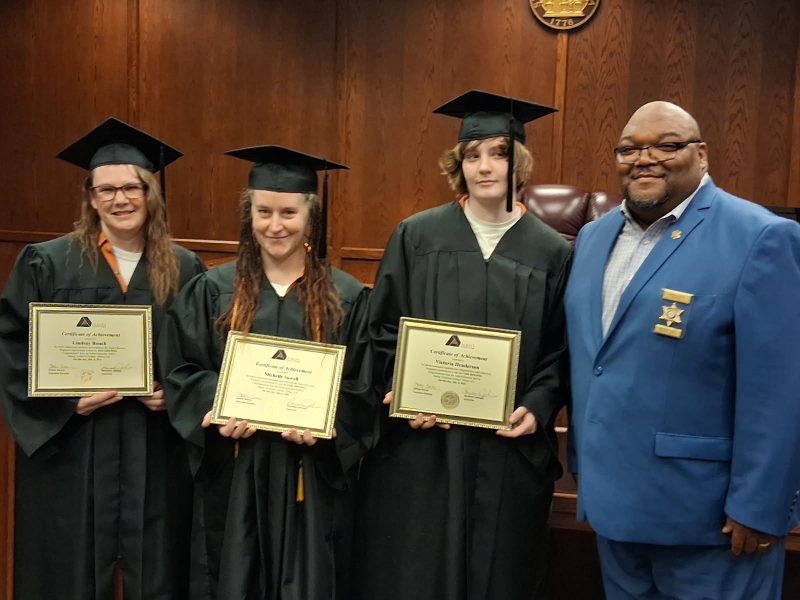
Dougherty Jail graduates first class of female GED recipients
“It was an escape. I can say this has been challenging. I want to express my gratitude for being able to attend this program.”
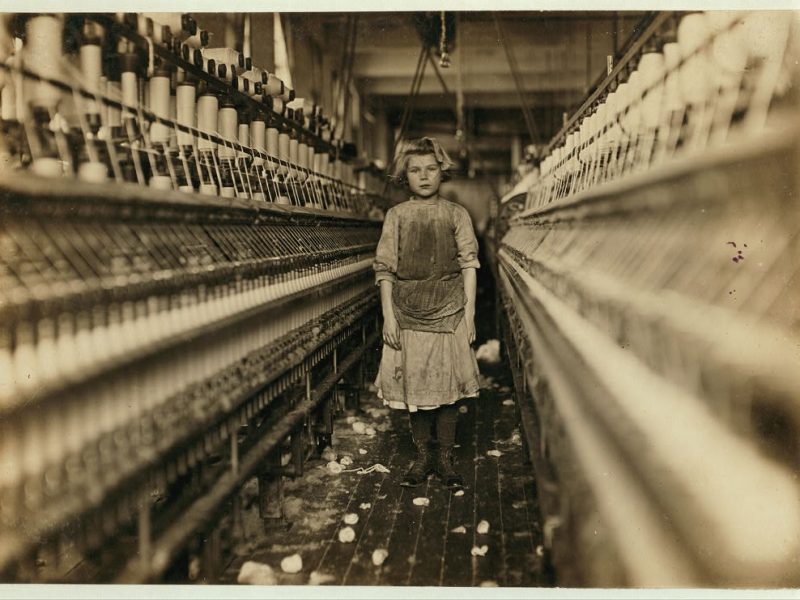
From cotton to cloud: In the data center debate, is rural Georgia once again being asked to carry the cost?
Across much of rural Georgia, the abandoned cotton warehouses and shrinking tax bases remain — enduring reminders that industries built to serve distant markets do not necessarily stay rooted in the communities that first sustained them.
