
USDA plans National Farmers Market Week celebration
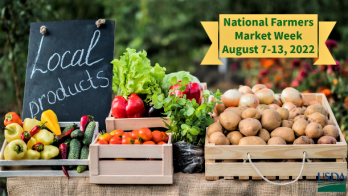
Special Photo: USDA
From staff reports
ATLANTA – The Southeast Regional Office of the U.S. Department of Agriculture Food and Nutrition Service will celebrate National Farmers Market Week this week to highlight the important role farmers markets play in supporting healthy communities, food systems and stimulating local economies in the Southeast region (Alabama, Florida, Georgia, Kentucky, Mississippi, North Carolina, South Carolina, Tennessee).
“Farmers markets are critical to the future of the food system across the Southeast and our country,” USDA FNS Southeast Regional Administrator Willie C. Taylor said in a news release. “Our farmers markets are helping to build healthier and stronger communities; we are grateful for their consistent support.”
Farmers markets offer low-income households participating in FNS’ Supplemental Nutrition Assistance Program, Special Supplemental Nutrition Program for Women, Infants, and Children and Senior Farmers’ Market Nutrition Programs the opportunity to redeem their benefits for fresh and healthy produce. They also provide a low-barrier entry point for beginning farmers and ranchers. By selling directly to the consumer, farmers markets can provide higher returns for farmers and ranchers.
FNS is committed to expanding access to healthy foods by providing Supplemental Nutrition Assistance Program Electronic Benefits Transfer benefits to recipients, while supporting economic opportunities for communities.
Currently there are 417 SNAP authorized farmers markets, 515 Senior FMNP and 313 WIC FMNP listed in the Southeast. FNS has online resources for farmers/producers and farmers markets to learn more about becoming authorized to accept SNAP EBT payments and attracting SNAP customers. Additional best practices and SNAP nutrition education resources for farmers markets are found on FNS’ webpage.
For more information, visit the Farmers Market Directory that can assist consumers in locating local food directories/farmers markets in their states.
To learn more, visit www.usda.gov.
Author

Related Articles

Albany police investigate suspicious Sunday death
A 21-year-old Turner Job Corps student who was found unresponsive on Sunday evening was later pronounced dead at Phoebe Putney Memorial Hospital. The death is under investigation.
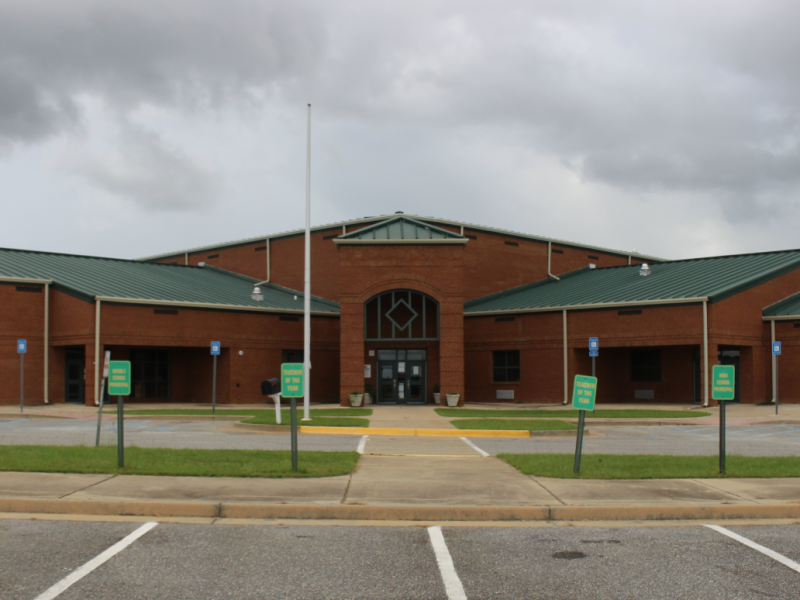
Unexplained checks, missing records, benefit errors surface in Terrell schools audit
A payroll performance review commissioned by the Terrell County School System found widespread documentation deficiencies, unexplained payroll discrepancies, inconsistent employee benefit deductions and weaknesses in internal controls, while also crediting district leadership for taking steps to improve oversight after significant staff turnover.

Terrell schools project $1.36 million revenue decline in proposed FY ’27 budget
The Terrell County Board of Education is scheduled to receive Superintendent Dr. Shereca R. Harvey’s monthly report and review budget information during its regular meeting at 7 p.m. tonight, Monday, June 22, with agenda materials outlining the district’s current financial position, fiscal year 2027 projections, a new grant award, state policy updates and enrollment trends.
